
Game HistoryTopicNov 20, 2026
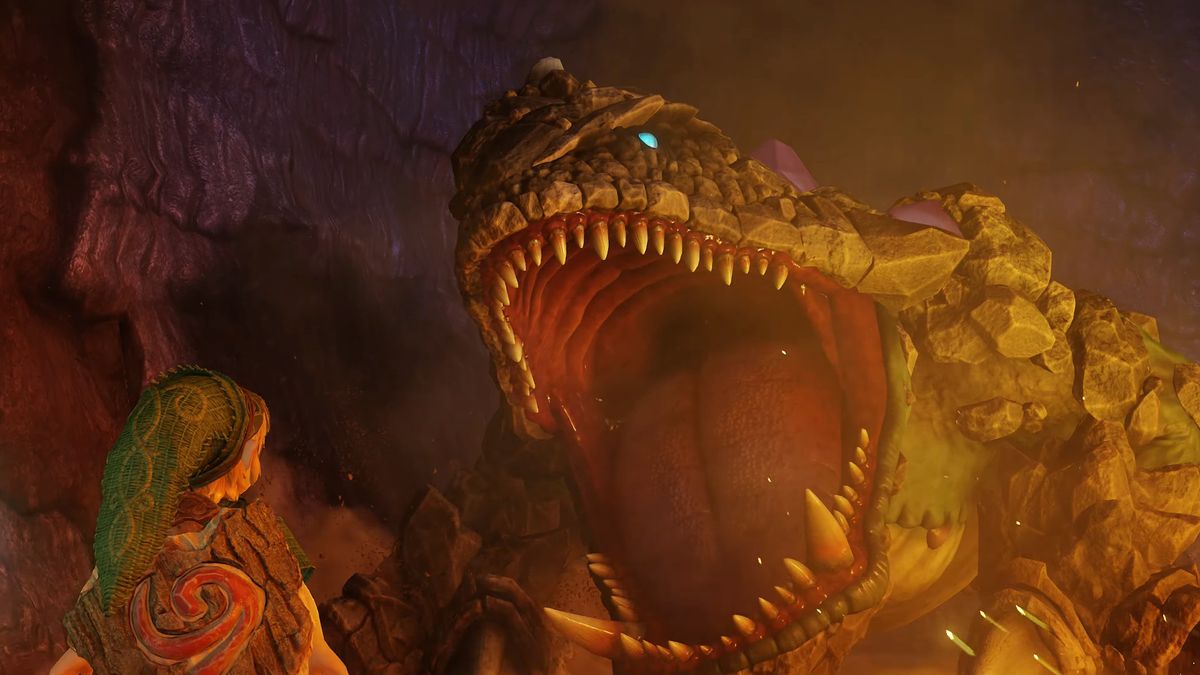
Ocarina Of Time Remake Adds Boss Rematches And Timed Battles
A familiar adventure gets a new place to study its monsters and take another run at its toughest fights.
3 min read
Retro topics
Classic game stories, development history, anniversaries, and how old games changed over time.
Archive picks
A familiar adventure gets a new place to study its monsters and take another run at its toughest fights.
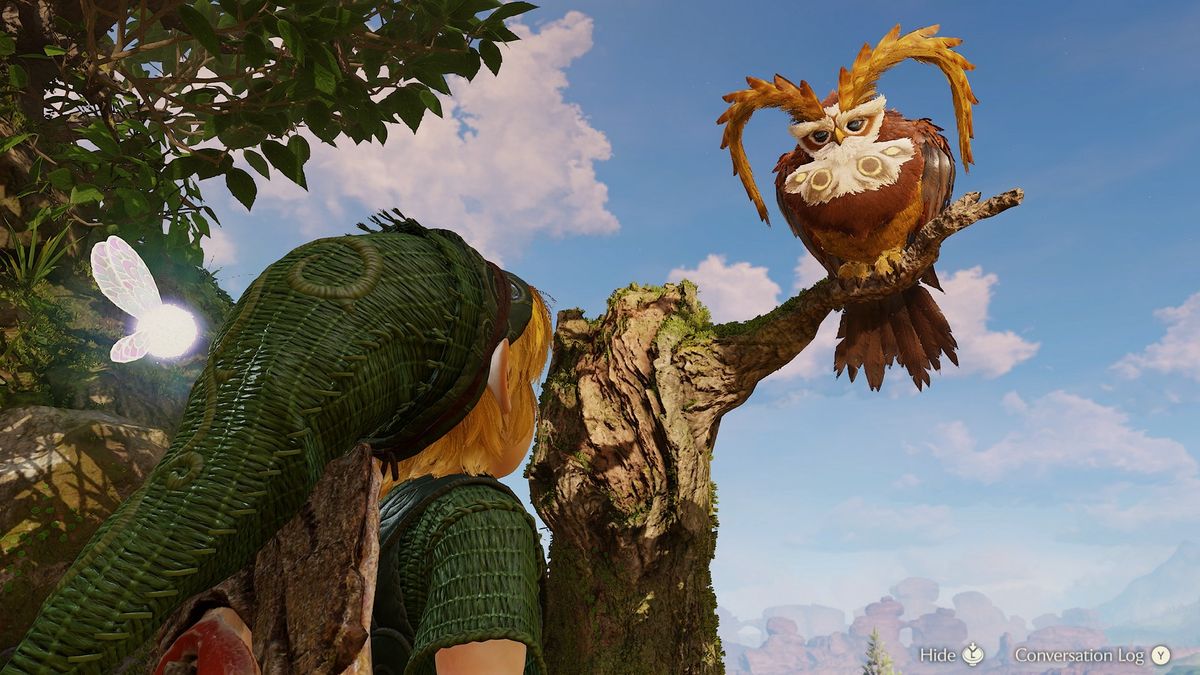
The remake appears to preserve the N64 adventure’s core while adding new movement options, a boss rematch mode, voice acted scenes and a fresh way to uncover hints.
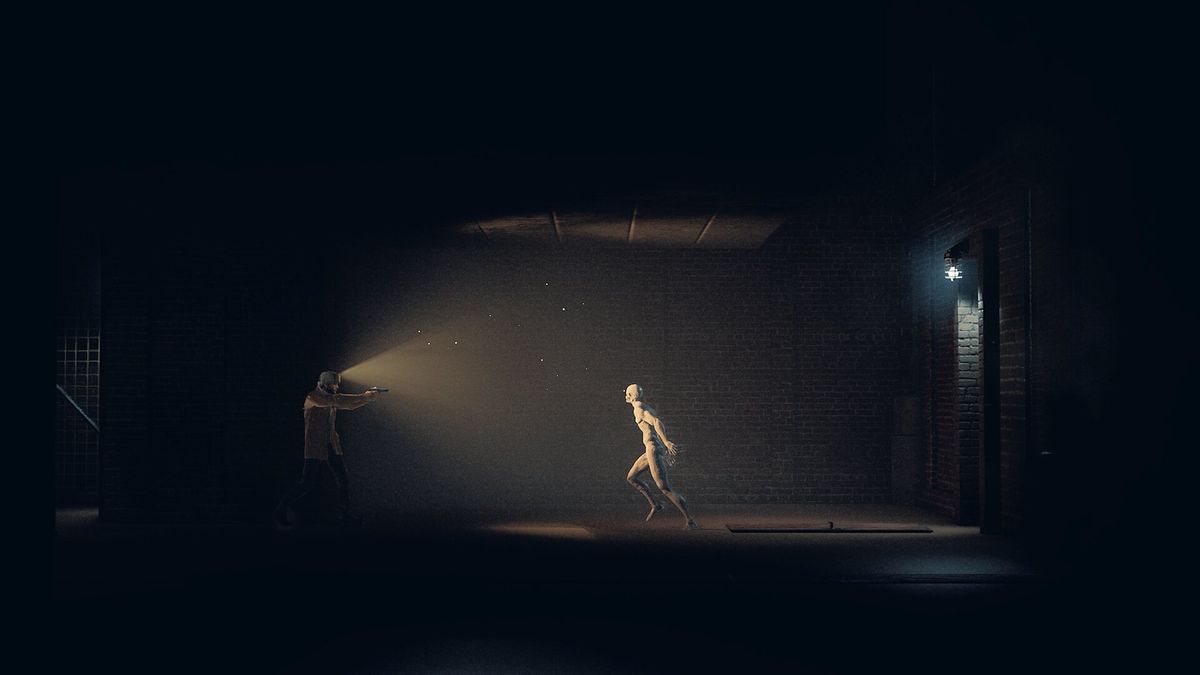
A conversation about Onyx: The Dark Grip turns to collecting, handheld horror, and the lasting emotional value of games you can hold.
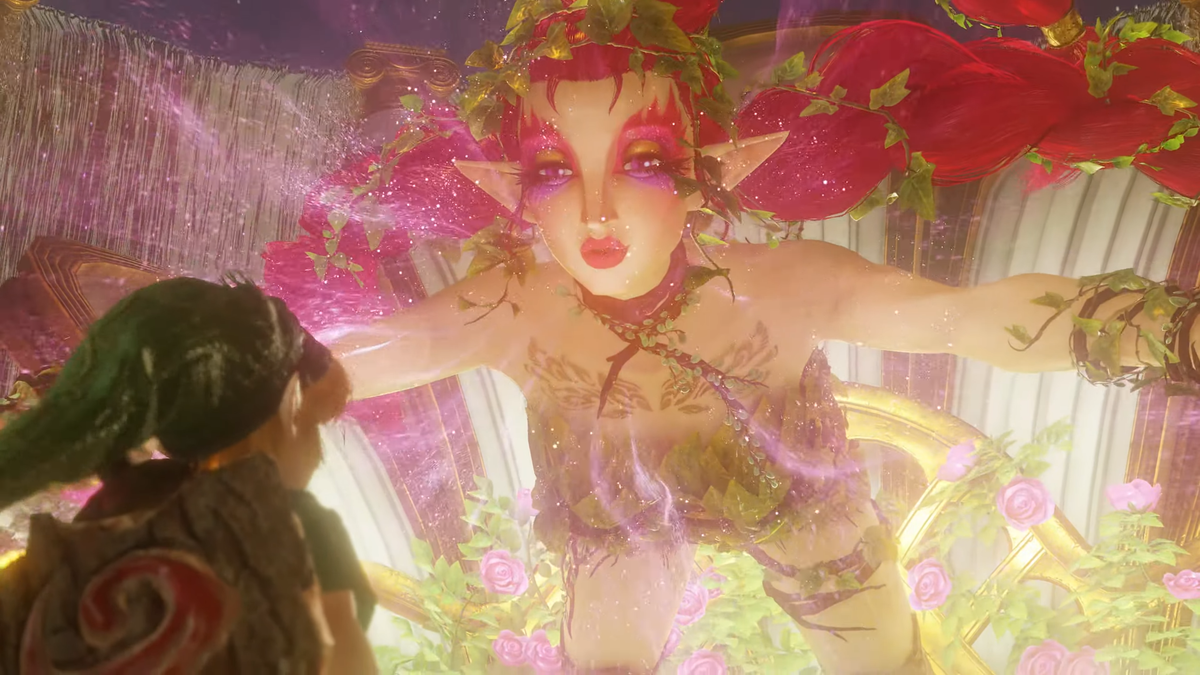
A familiar Hyrule can feel different when the usual health, magic, and map indicators disappear. The remake’s interface options give players a choice about how much guidance they want on screen.

The boxing series last appeared in the PS3 and Xbox 360 era. EA’s brief announcement brings it back into view, with plenty still to learn.
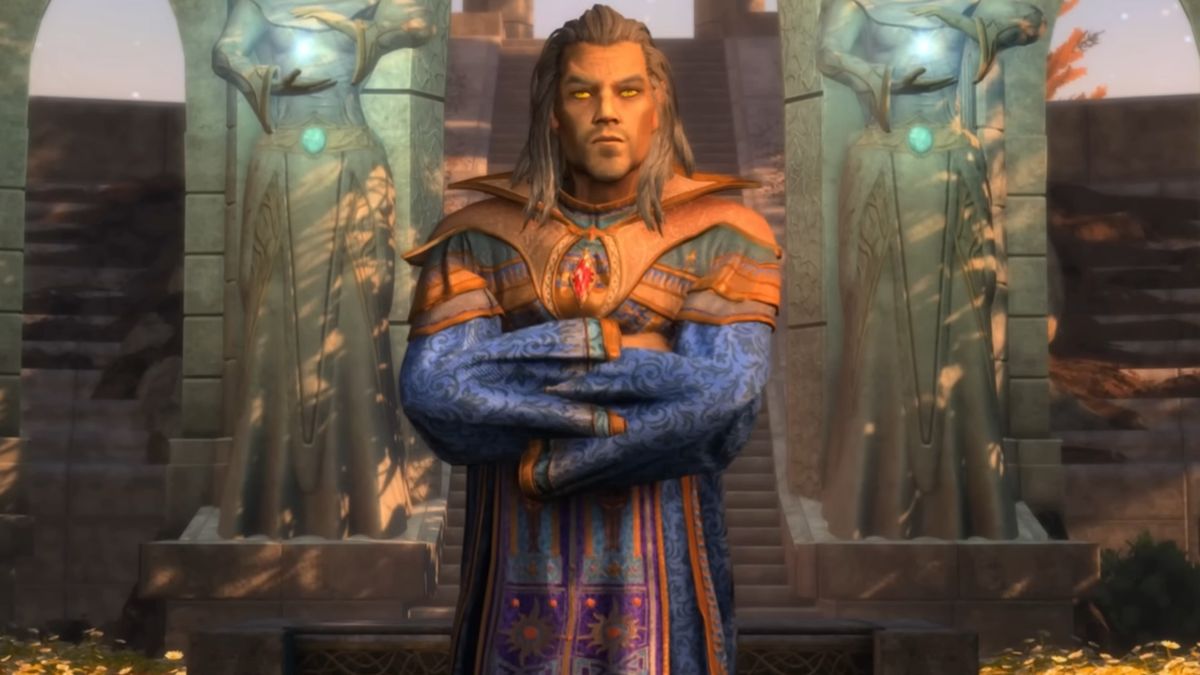
The fan-made Oblivion remake is still without a release date as its team explains a dispute involving work contributed during development.
The clip offers a few clues for fans to consider, alongside plenty of reasons to stay cautious.
Analyst Mat Piscatella sees a crowded release calendar making space for a few very different nostalgia-led games, while cautioning that the wider impact of GTA 6 is still unknown.
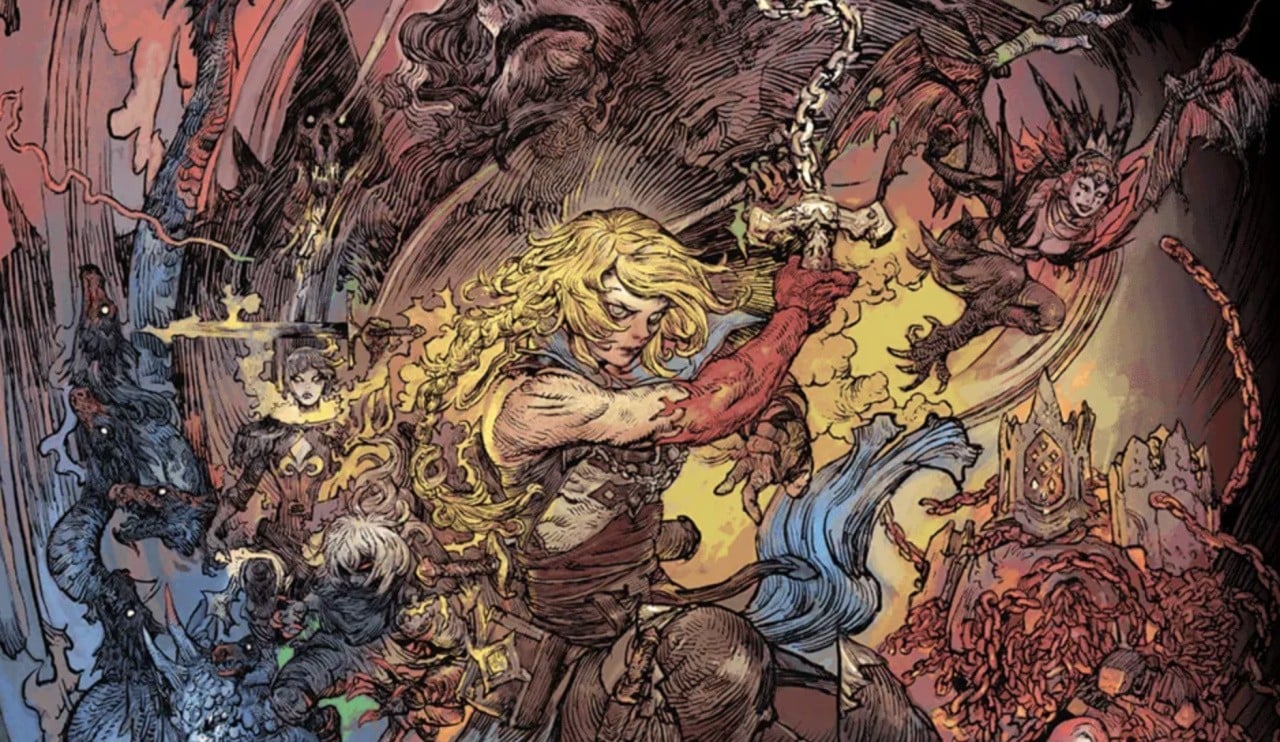
A new official update settles the earlier confusion around Belmont's Curse, sets Rose Belmont at the center of the story, and gives the game a striking visual identity ahead of its October 15, 2026 launch.
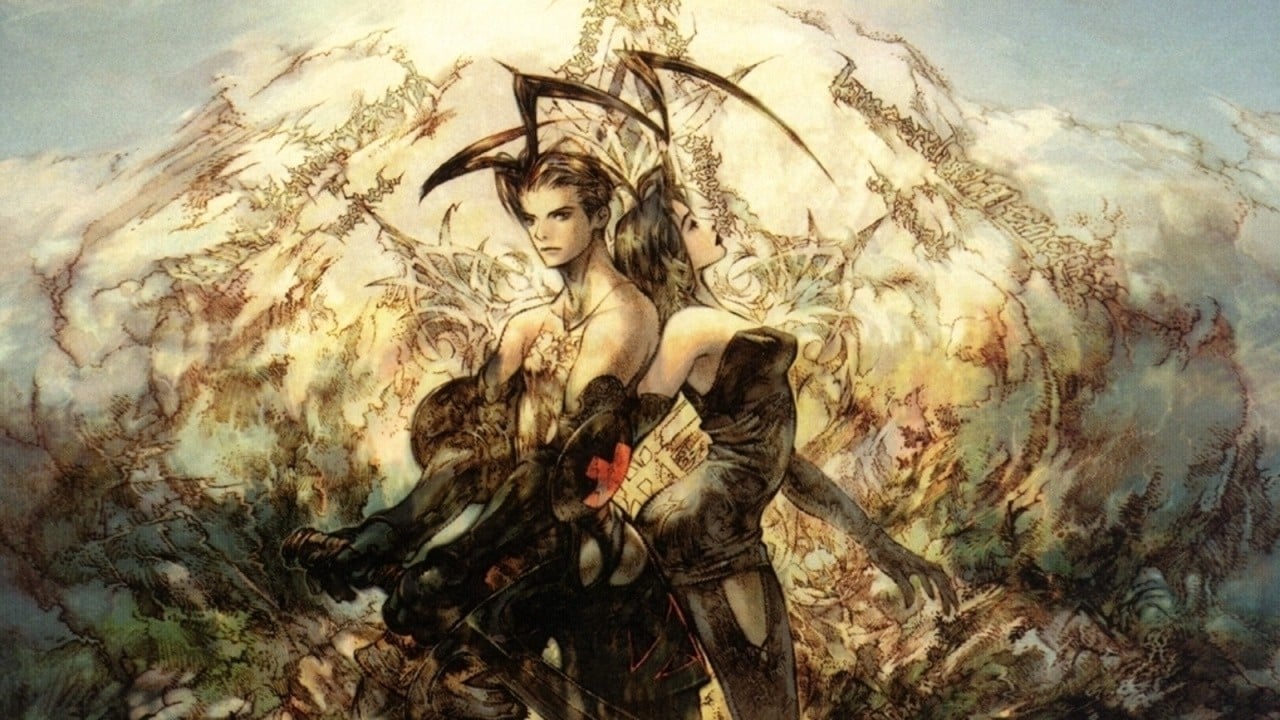
This week in retro gaming brought preservation news, hardware hints, community criticism, and a few reminders that old games keep finding new lives in surprising places.

The new trailer points to airship exploration, Wutai, the Outskirts of Midgar, Vincent Valentine, and a flexible job-style system for Cloud and the party.
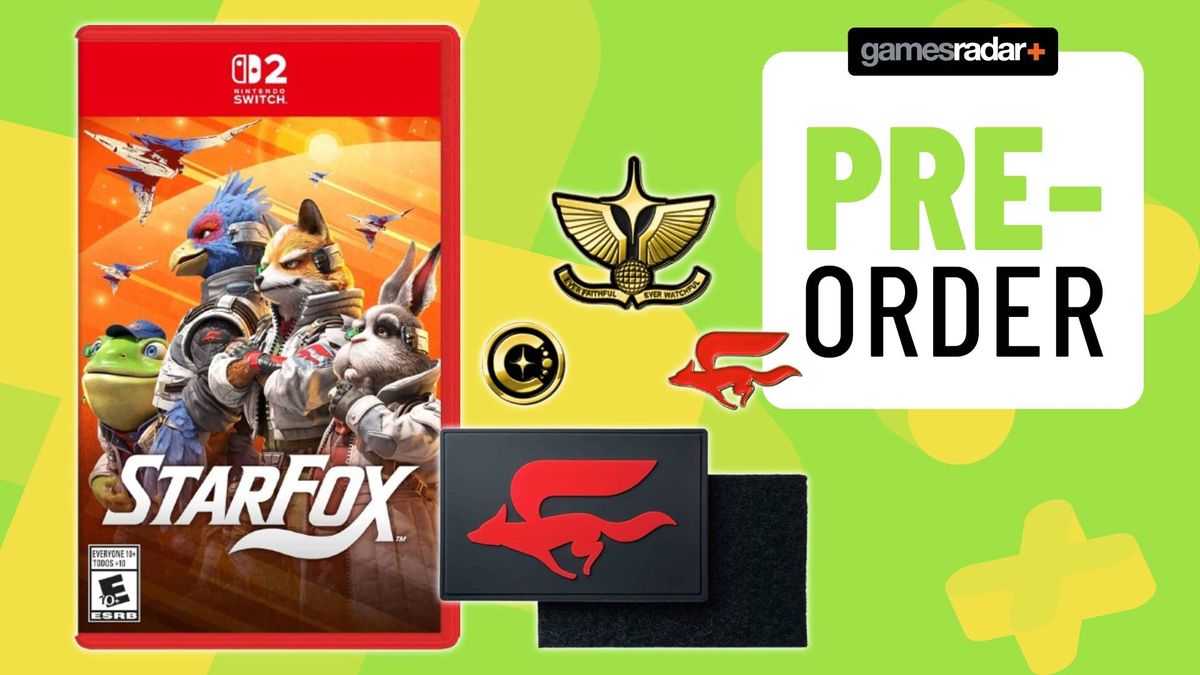
The new Star Fox listing is more than a price watch. For retro players, it is a reminder of why cartridges, rail shooters, and careful remakes still matter.
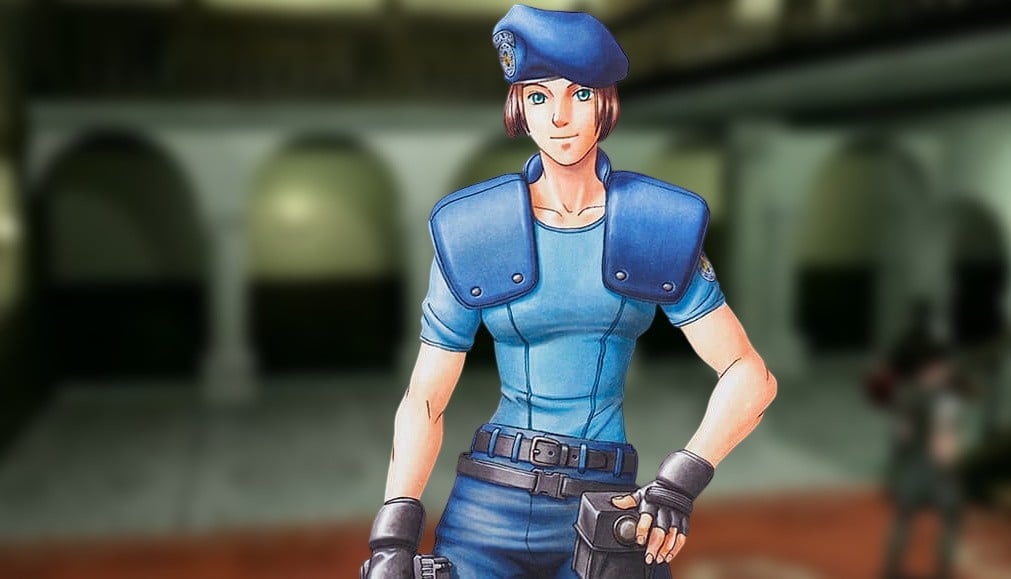
The 1996 horror classic did not appear to follow Capcom's usual English cleanup route, and that may be why its awkward lines became part of gaming history.

The issue is not just that the pictures are fake. It is that convincing fake nostalgia can blur the record for collectors, writers, and fans who rely on old media to understand gaming history.
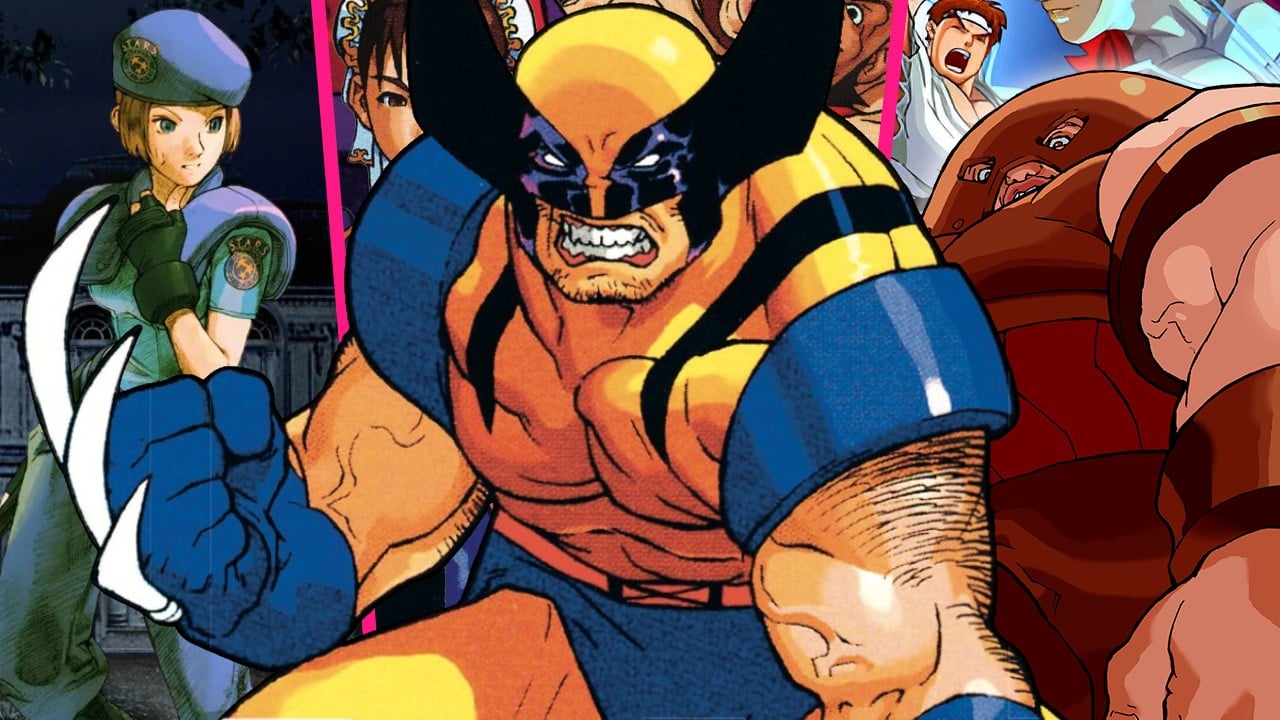
Before localisation became a standard game industry department, Capcom often relied on people who could bridge language, play knowledge, and business needs at the same time. Shiraiwa’s story is a useful look at that in-b