The week ending June 7, 2026 was busy for classic gaming fans. It had the kind of mix retro readers know well: old names coming back into view, hardware rumours drifting through the community, preservation work taking careful steps forward, and a few modern releases being judged by very old-school standards. In other words, it was not one single story. It was a snapshot of how broad retro gaming has become.
There was news around a new project connected to a cult classic from Gremlin, fresh attention on the magazine legacy of Super Play, concerns over artwork used in a Mega Drive release, and movement on the revived Vectrex project. Elsewhere, R-Type Dimensions III began receiving patches after community criticism, Blaze CEO Andrew Byatt argued that companies are not doing enough for older games, and a 1992 Sega advert reminded everyone how strange and stylish console-war marketing could be.
Retro Context
Retro gaming is no longer just about replaying old cartridges. It now includes rights management, reissues, mini consoles, fan documentation, magazine history, localisation credits, and the ethics of new games made for old hardware. That is why a week like this matters. A Gremlin-related project speaks to the long tail of British computer and console history. A Vectrex rights effort touches one of gaming’s most unusual early systems. A Super Play feature brings magazine culture back into the story, especially its focus on imports, Japanese games, anime coverage, and the memorable artwork of Wil Overton.
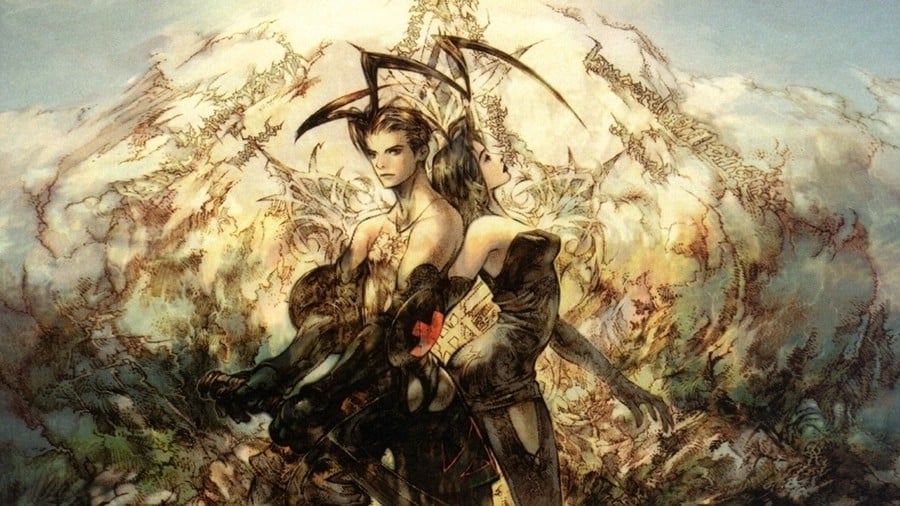
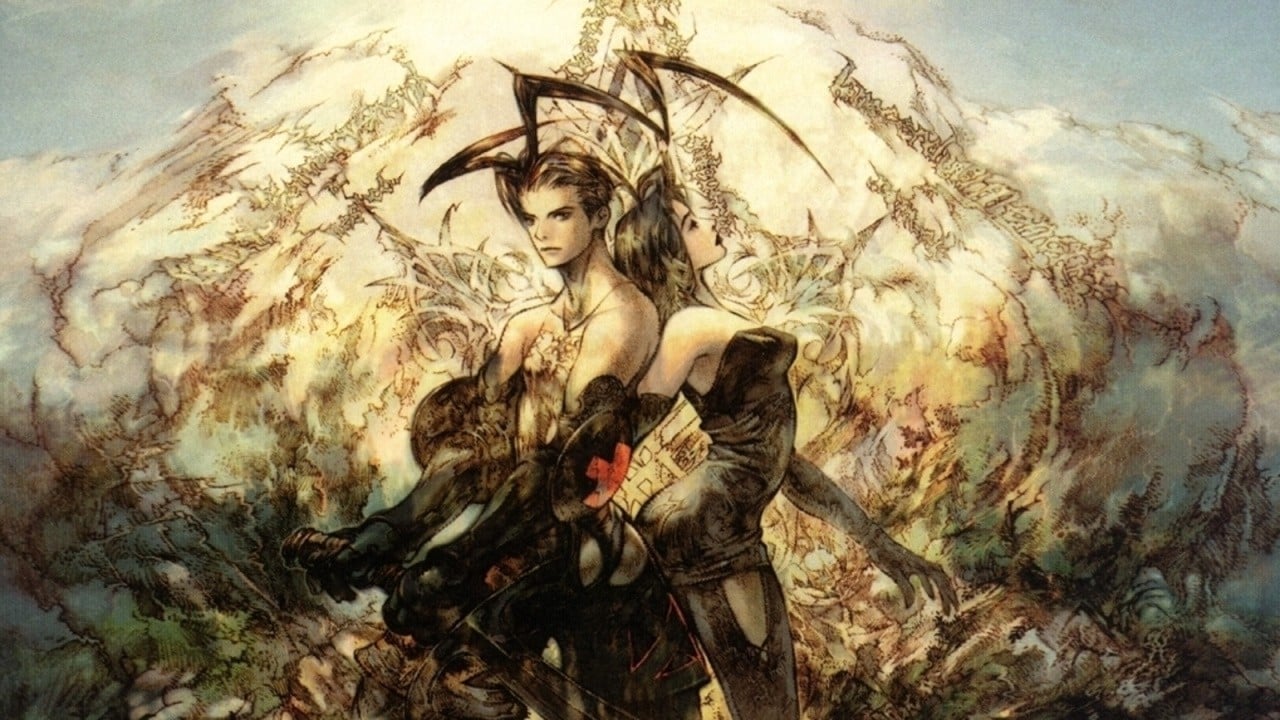
Super Play remains a useful example of how print magazines helped shape taste before online discovery took over. Published by Future across 47 regular issues, with a special 48th edition later given away with Retro Gamer in 2017, it built a reputation around import coverage. Its love of Japanese gaming was not only in the reviews and previews. It was part of the whole presentation, from the anime section to Overton’s unmistakable cover and interior art style.
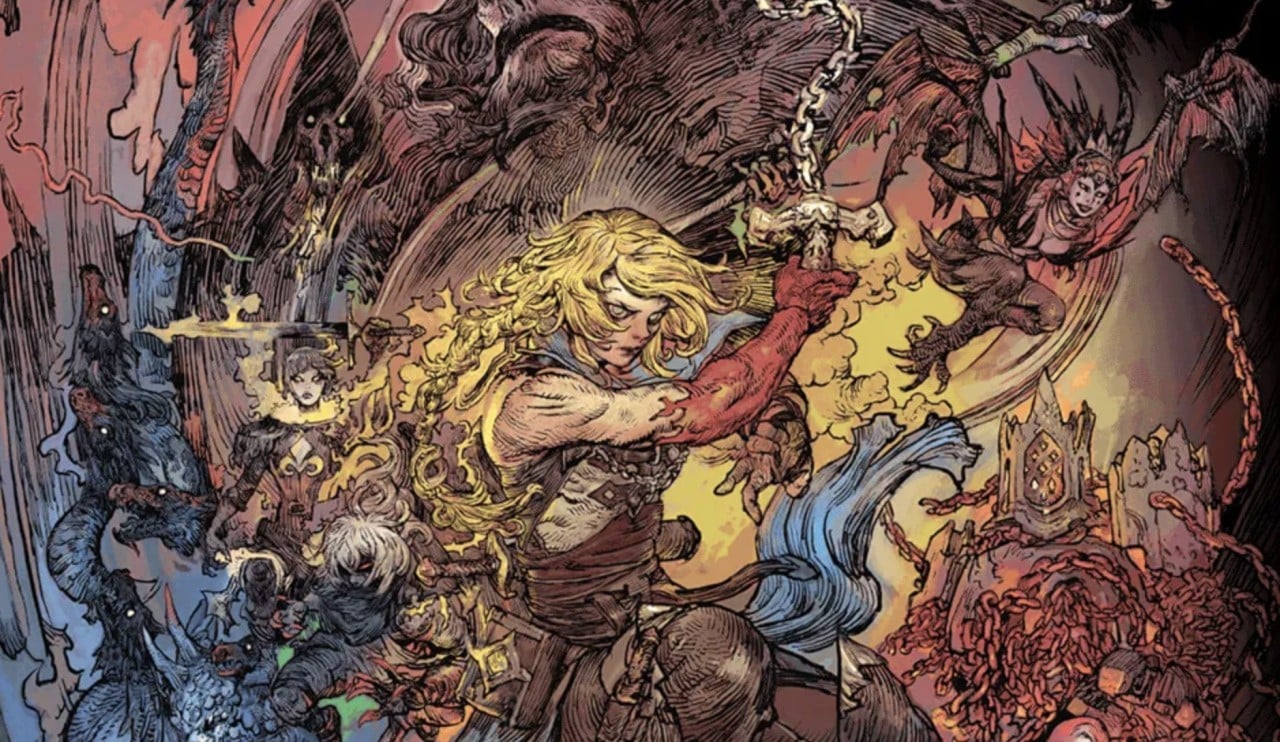
The Gremlin thread is another reminder that British studios still carry a lot of affection among players who grew up with 8-bit and 16-bit machines. The latest reveal points to another cult classic from the legendary UK developer being lined up as a company’s next project. The available details are limited, but the important part is clear: the retro revival market is still reaching beyond the most obvious global names and into deeper parts of UK gaming history.
The Vectrex story sits even closer to preservation. David Oghia, who is guiding the resurrected Vectrex effort, said his aim was to secure the rights to launch-era Vectrex games originally developed under Smith Engineering in 1982. He also stressed that Jay Smith’s support and guidance mattered for the project’s future. For a machine as distinctive as the Vectrex, that combination of rights, historical knowledge, and original creator involvement is not just a legal detail. It helps shape whether a revival feels careful, respectful, and useful.
Sega hardware speculation also entered the week through a comment from SeraphHS. They said the company they work for received a quotation request from a firm that had previously handled licensed Sega hardware, with the Genesis / Mega Drive Mini mentioned as the kind of example in mind. The request was described as not coming directly from Sega, but from somewhere in that wider orbit, with names such as Tectoy and AtGames used as comparisons. That does not confirm a product, but it gives retro hardware watchers something concrete to note.
Why It Matters
For players, collectors, and preservation-minded readers, the practical value is in the details. Rights secured properly can open the door to cleaner reissues. Patches can rescue a release that launched with problems. Hardware projects, even when only hinted at, can affect how people choose to buy, wait, or preserve their current setup. Magazine retrospectives help newer fans understand why certain games, artists, and import scenes became so loved in the first place.
The sharpest caution this week came from YouTuber Goati_, who presented a detailed look at Kai Magazine Software’s Death & Lead. The video argues that the game uses stolen and AI-generated artwork, with uncredited elements taken from original artists. Goati_ described the situation as art being taken and sold for profit, and called it an especially troubling Mega Drive release. For retro fans, the issue is not only whether a new game runs on old hardware. It is also whether the work behind it respects the artists and community it draws from.
R-Type Dimensions III showed another side of community pressure. After criticism, ININ Games began releasing patches and announced what it called a comprehensive improvement initiative for the game. The stated aim is to address important concerns raised by dedicated R-Type players across several parts of the release. That is a familiar modern pattern, but it carries extra weight with a classic series. Long-time fans often know these games deeply, and small issues can stand out when a release is tied to a name with decades of history.
There was also a lighter but still useful reminder about marketing. Even players who think they are immune to clever promotion can still be won over when a developer or publisher finds a genuinely memorable way to stand out. In a crowded release calendar, that matters. Retro projects often fight for attention beside new indie games, ports, remasters, and hardware announcements. A good hook does not replace a good game, but it can help the right audience notice it.
Blaze CEO Andrew Byatt added a broader business point, saying game companies are missing an opportunity when it comes to serving older games. That idea fits the week well. The audience is clearly there, but the needs are specific: good access, sensible hardware options, respectful presentation, and versions that do not treat old games as disposable extras. Retro fans can be nostalgic, but they are also practical. They notice quality, latency, packaging, patches, credits, and long-term availability.
The week’s history lane also included a look back at a 1992 Sega advertisement aired as the Sega and Nintendo console rivalry was heating up. It featured Peter Wingfield of Highlander: The Series and Steve O’Donnell of Bottom, and placed them in a steam-filled cyberpunk barbershop. Wingfield’s character, Jimmy, asks for a “Cyber Razor Cut,” giving the advert the kind of odd, theatrical edge that made early 1990s game marketing feel so different from today’s cleaner brand campaigns.
Localisation history rounded out the week with attention on Amanda Jun Katsurada, a former Square employee and localisation specialist. Her name sits alongside other veteran translators and editors who have helped explain how Japanese games reached English-speaking audiences, including Richard Honeywood, Leslie Swan, Alexander O. Smith, Brody Phillips, and Tom Shiraiwa. This side of game history can be easy to overlook, but it shaped how many players first understood major RPGs and Japanese releases.
Z-retro View
Taken together, these stories show retro gaming in a healthy but complicated place. The excitement is real: old magazines are being remembered, unusual hardware is being revisited, classic series are being patched, and forgotten or cult names still have a future. At the same time, the standards are rising. Fans want proper rights, honest credits, better releases, and clear respect for the people who made the original work. That balance is good for the scene. Retro should feel warm, but it should not be careless.