Retro Context
For many players, a game was once something you brought home in a box, added to a shelf, and kept alongside the console it was made for. Bloober Team CEO Piotr Babieno and Broken Mirror Games executive director Tymon Smektala both describe growing up with that collector’s side of gaming. Smektala says his collection reaches well beyond what can be seen behind him on a video call. That habit gives physical releases a history that goes beyond the technology inside a disc or cartridge: they can become reminders of a particular game, studio, or period in a player’s life.
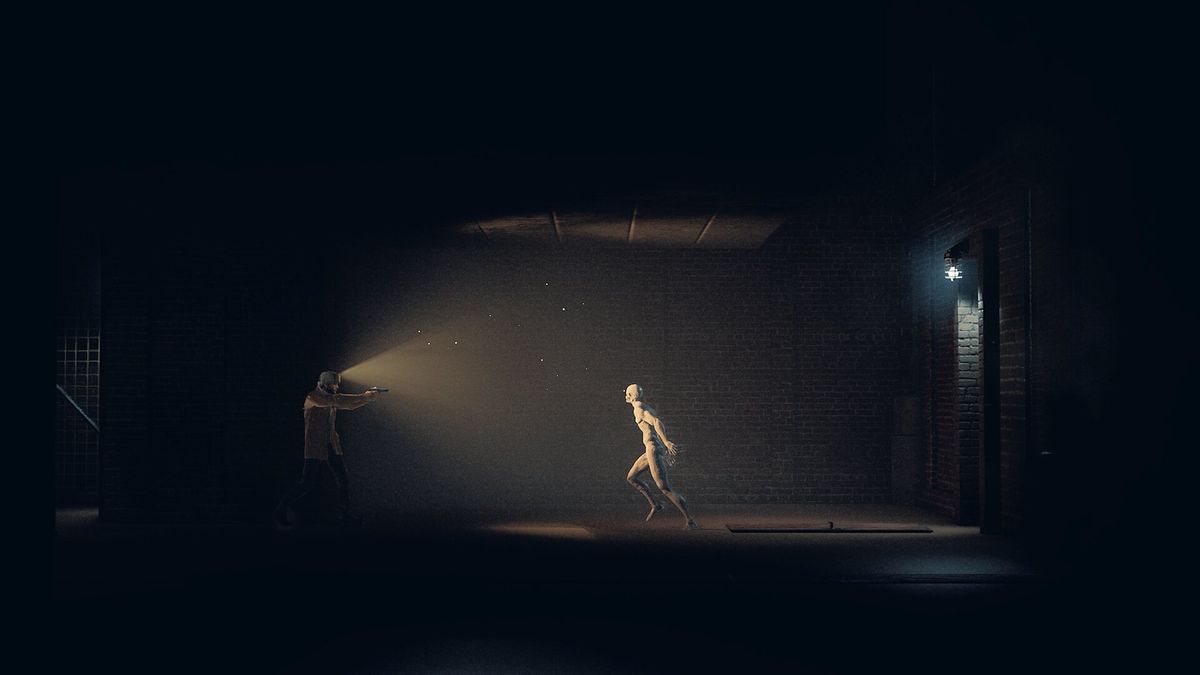
That history is part of the backdrop to a conversation prompted by Onyx: The Dark Grip, an upcoming horror game developed by Bloober Team and published by its horror subsidiary, Broken Mirror Games. The game is planned as a Switch 2 exclusive and is described as one of the first third-party horror games exclusive to the system. It is also the first game built entirely for the console’s handheld mode. Those details put the physical experience of playing at the center of the discussion, alongside the question of how games are sold and kept.
Why It Matters
Babieno argues that advances in picture and sound can only take a game so far. A little more resolution or improved lighting may make a game look better, he says, but that does not automatically make it more engaging. With Onyx, the team is interested in how horror can feel when played in handheld mode, using the device itself as part of the experience. Babieno describes the idea as bringing horror back into the player’s hands and points to the possibility of engaging senses beyond sight and hearing. The source does not spell out exactly how every sense will be used, so the point is best understood as a design aim rather than a list of promised features.
The same practical question applies to buying the game. PlayStation has pledged to cease disc production by 2028, while publishers have clear business reasons to favor digital distribution. Babieno acknowledges that digital sales are easier and cheaper to distribute and can be more profitable. Physical production still requires making and distributing retail copies, so his support for boxed games comes with a condition: Bloober would like to keep producing them for as long as it is able. That leaves room for business limits while making the studio’s preference clear.
For players, the format can change what ownership feels like. A physical copy can sit on a shelf as part of a collection, and both executives connect collecting with their own sense of being gamers. Babieno says that owning a retail release can also create a closer emotional link between a player and the game’s makers. That connection matters to studios that want fans to feel close to their work, but it does not make digital distribution disappear. Readers weighing the two formats can take away a straightforward distinction: convenience and cost favor digital, while a physical edition can offer a lasting object and a personal keepsake.
Z-retro View
The exchange is a useful reminder that gaming’s history includes more than the machines and images on screen. Collecting, handling a game, and keeping it after finishing it are part of how some players relate to the medium. Babieno and Smektala speak from that personal tradition, while recognizing the financial case for digital releases. Their comments express a wish to preserve physical editions where possible, not a promise that every Bloober game will receive one.
Onyx: The Dark Grip gives the conversation a forward-looking side. Its handheld-only design suggests that the way a game is held and played can matter to its horror, just as a physical edition can matter to how someone collects it. Those are related ideas, but they are not the same thing: a game can make use of handheld play whether a player buys it digitally or at retail. The source offers a direction for the game’s design, rather than enough detail to judge how that approach will work in practice.
For retro-minded readers, the balance feels familiar: new hardware keeps changing how games look and reach players, while older collecting habits continue to shape what games mean to them. Digital distribution offers an efficient route to play; a box or cartridge can add a tangible connection and a place in a collection. Bloober Team’s position is measured: it sees the realities of digital publishing, yet hopes to keep physical releases in the picture for as long as it can.