Retro Context
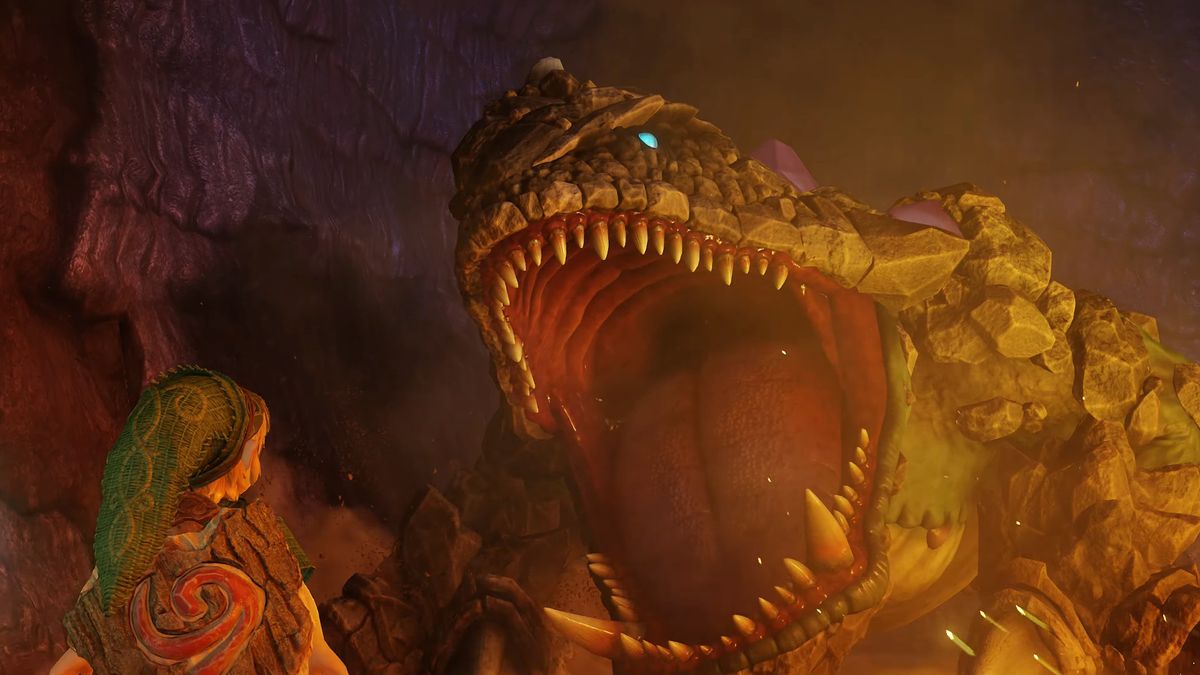
The Legend of Zelda: Ocarina of Time began its life as an N64 adventure, and the remake looks set to keep close to that classic while updating parts of how it plays. Link is getting a jump button and a dash, and the remake is also adding fully voice acted cutscenes for characters other than Link. A boss rematch mode is another reported addition. Those changes suggest a familiar journey with some new ways to move through it and revisit its fights.
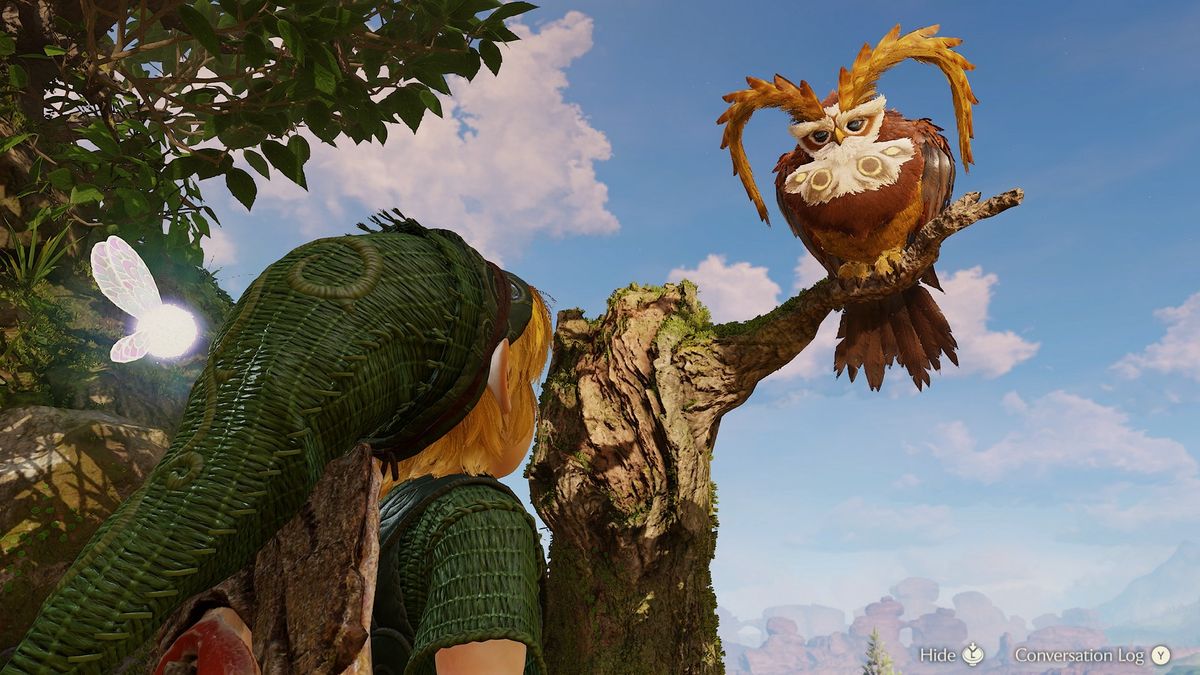
Navi has always been part of the game’s identity. Her call for Link to listen became one of Zelda’s best-known refrains, memorable both as a piece of character and as a repeated interruption. She is not described as being as overbearing as Fi in Skyward Sword, but the familiar calls can still wear thin. That history makes a new job for Navi an interesting addition: it connects a well-known companion to exploration rather than simply adding another feature to Link’s controls.
Why It Matters
The new world element is called Fairy Notes. They can be found in different places across Hyrule and hold secrets left behind there. When Link comes across one, players can ask Navi to read it. The notes appear as small scribble drawings of fairies, giving them a visible sign to look for as they travel. This turns Navi’s attention toward particular discoveries, and gives players another reason to keep an eye on the world around them.
The hints can offer practical nudges about what is nearby. One example points out that things can fall out of a tree. That kind of clue is modest, but it can help a player notice an environmental detail they might otherwise pass. Fairy Notes also give completionists something extra to seek out: rather than only moving from one main objective to the next, they can watch for these marks and see what secrets each one reveals.
There is a useful balance in the idea. Navi remains involved, but the notes give her a specific prompt and a clear role in uncovering information. Players who enjoy searching every corner of Hyrule may welcome the extra trail of clues, while players who prefer to press ahead can treat them as optional discoveries. The details available so far establish that notes contain secrets and tips; they do not establish how many there are or whether finding them changes the main story.
That uncertainty matters when judging how much the feature will change the experience. A few helpful notes could add texture to familiar routes, while a larger set could make exploration feel more rewarding for completion-minded players. There is not enough information yet to know the scale of the system. What is clear is that the notes are designed as things to find in the world, with Navi there to make their messages useful.
Z-retro View
Fairy Notes sound like a thoughtful fit for a remake of a game whose companion is already famous for speaking up. They give Navi a reason to react to places Link visits and make the search for small secrets part of the adventure. The feature may also soften the feeling of repeated interruptions by tying her guidance to something the player chooses to investigate, though that outcome remains a hope rather than a confirmed change to her regular dialogue.
Taken together, the reported additions point to a remake that respects Ocarina of Time’s familiar shape while making room for new conveniences and discoveries. The jump, dash, voice acted cutscenes and boss rematches address different parts of the experience; Fairy Notes bring a smaller touch of curiosity to Hyrule itself. For returning players, they offer another detail to notice in a well-known world. For newcomers, they may provide gentle clues along the way. How smoothly all of these additions fit together will become clearer as more of the remake is shown.