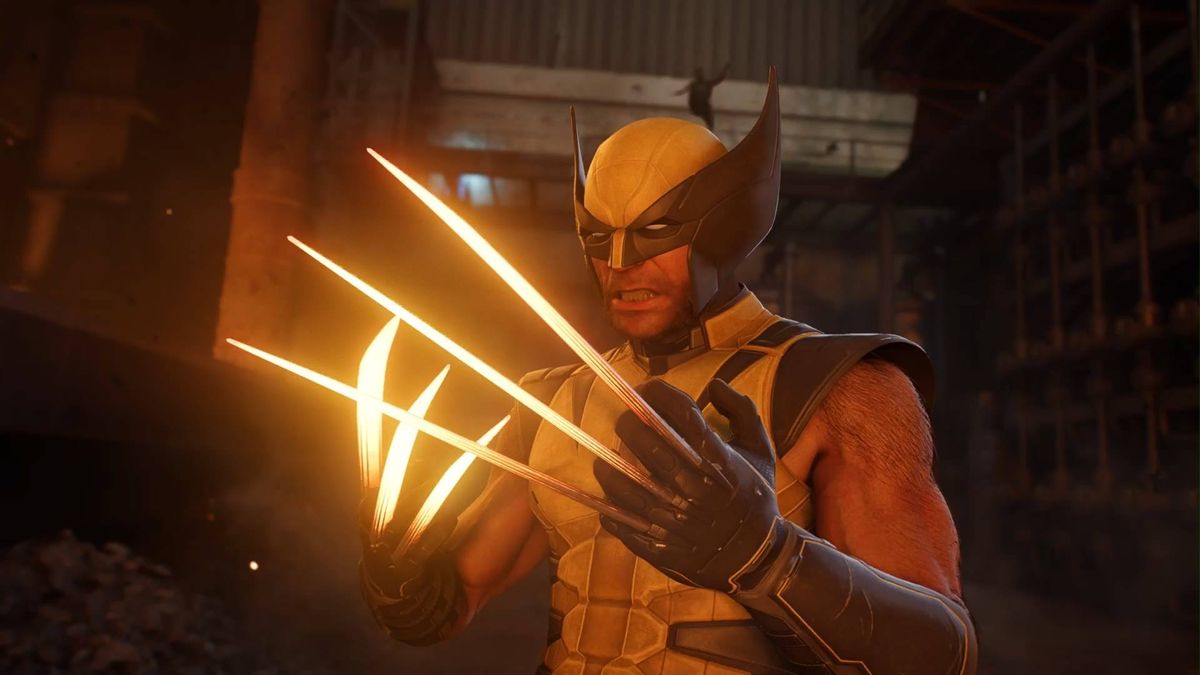
Some licensed games are remembered mainly as companions to a film. X-Men Origins: Wolverine, released for PlayStation 3 in 2009, has become a happier exception. The movie has a poor reputation, but the game earned goodwill over time as a solid action game in its own right. One of its developers has now shared another unusual part of its history: the team did not work crunch on it.
Retro Context
In the late 2000s, games tied to big films often had a clear job: arrive alongside the movie and help promote it. That could make a licensed game feel like an expensive advertisement first and a standalone experience second. X-Men Origins: Wolverine is remembered differently by many players. Its afterlife shows how a tie-in could outlast the film's moment and find an audience on its own merits. For retro readers, that contrast is part of the story: the game is now easier to revisit as a distinct release than as a simple piece of movie marketing.
The game also arrived in a period when crunch was a familiar part of major game production. Developers working on titles such as Red Dead Redemption and Dragon Age 2 have described long hours and sleep deprivation. Against that backdrop, a team saying it avoided crunch is notable. It does not mean every development problem disappeared, but it does offer a different account of how a high-profile licensed game was made.
Why It Matters
Allison Salmon, who worked on the game, explained that its production stayed relaxed because the movie was delayed. “We actually never worked crunch on it cause the movie got delayed,” she said in a Bluesky post. The film had been pushed back by a year in 2007. The stated reason was that Fox sound stages were occupied by Australia, the 2008 drama that also starred Hugh Jackman. With the movie date moved, the game was no longer working to the original timetable.
For players, this is a useful reminder that a game's reputation and the conditions behind its production are both worth remembering. The release is often brought up as one of the rare movie tie-ins that is genuinely enjoyable on its own. Salmon's account adds a practical detail to that memory: a change to the film schedule gave the game team more room, rather than forcing them to make up lost time through crunch.
That matters to anyone interested in how games get made, not only to people who played this one. Long hours and exhaustion are not a reliable measure of a game's quality. The source account does not describe every part of the Wolverine team's working life, so it should not be treated as proof that the production was effortless. It does give a clear example of how a delayed deadline can affect a tie-in game's schedule.
Z-retro View
There is a neat bit of history in the way this game connects to newer Wolverine projects: Marvel's Wolverine was inspired in part by one of the uncommon movie tie-ins that players remember fondly. The developers behind the newer game have said they faced some of the same challenges as that earlier team. It is a reminder that older releases can still offer useful reference points, even when the industry and the games themselves have moved on.
The most balanced takeaway is that time helped this particular production, while the game's lasting goodwill came from what players found in the finished release. One delayed film does not erase the broader pressures developers faced around 2009, and a single account cannot explain every detail of development. Still, Salmon's recollection makes the game's history more interesting: this well-regarded tie-in reached players without its team having to crunch, thanks to a schedule change beyond the game itself.