Retro Context
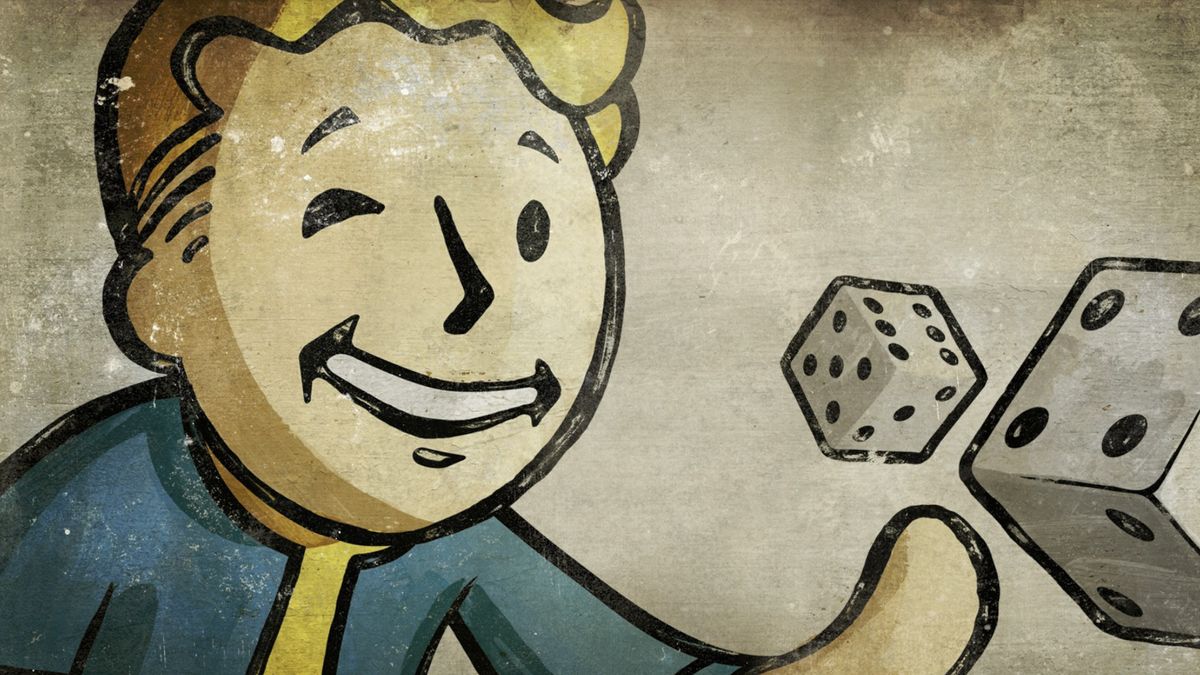
Fallout’s first game arrived in 1997, long before the series became a major franchise with open-world entries and television spin-offs. Some of its most recognizable ideas were already there from the start: the SPECIAL stat system and Vault Boy. The mascot was not simply a character added for decoration. Its beginnings were tied to a basic problem the original team had to solve: how to make a role-playing game’s many different character traits clear to players.
The game was initially planned around GURPS, short for Generic Universal Role-Playing System, a tabletop RPG system published by Steve Jackson Games. That version of Fallout included a wide range of characteristics, including skills, advantages, disadvantages, and quirks. Players needed to understand which one was being discussed, so the developers planned to put a small icon beside each name. Those symbols could also stand in for words in parts of the game where there was little room for text.
That plan made the icons useful, but also created a demanding art task. Each characteristic needed a symbol distinct enough to be recognized quickly. Tim Cain, Fallout’s original lead, recalled that he was beginning to lose his color vision at the time and encouraged the artist working on the icons not to rely on color to tell them apart. As the designs accumulated, making every symbol clear at a glance became harder. The interface needed a more flexible visual idea.
Why It Matters
Art director Leonard Boyarsky suggested changing what appeared in the skilldex, the part of the interface that showed a title and description. Instead of placing a separate icon there, the team could use a cartoon of someone doing the action or displaying the quality being described. Boyarsky drew on the image of Monopoly’s rich uncle, commonly known as Mr. Monopoly, as a reference point for the character. That gave the team a way to connect many different traits through one recurring figure.
The design then passed through several artists’ hands. George Almond further refined Vault Boy, while Tramell Ray Isaac drew the finished icons in large numbers. Cain recalled that they appeared throughout the game’s skilldex, across the manual, and in the opening cinematic. Over time, the character also became familiar on items such as mugs and bobbleheads. The practical solution to a crowded interface had grown into a visual thread linking different parts of Fallout.
There is an important twist in that history: Vault Boy also became one of the reasons Fallout could not continue with GURPS. A 1998 PC Gamer feature reported that Steve Jackson objected to several aspects of the game, including violence in the opening cinematic, the small-scale characters, and the Monopoly-inspired mascot. Cain later described Vault Boy as something Steve Jackson Games specifically wanted removed. The team explained the Monopoly reference, but the objection remained, with the mascot seen as a poor fit for the game’s tone.
For readers revisiting the original game, this history helps explain why Vault Boy is woven so deeply into Fallout’s presentation. He was designed to make information easier to distinguish, and the icons found a home in several places players would encounter. At the same time, his cartoon style was not universally welcomed during development. The same bold choice that helped give Fallout a recognizable visual identity also marked a disagreement about what kind of tone the game should have.
Z-retro View
Vault Boy’s origin is a useful reminder that familiar game mascots can begin as answers to practical design constraints. Fallout needed many characteristics to be understandable in a limited space, and the team’s shift from individual symbols to a recurring cartoon offered a shared visual language. The character’s later prominence makes that origin easy to overlook, but the original interface challenge explains why he was there in the first place.
The story also shows how a solution can work well for one design goal while raising questions elsewhere. Vault Boy helped distinguish information, yet Steve Jackson Games objected to the character’s look and its fit with the game’s tone. Both parts belong to the history: the mascot was useful to Fallout’s presentation, and its style became part of the creative disagreement around the planned GURPS version. That balance makes Vault Boy more than a logo; he is a small piece of how the original game found its identity.