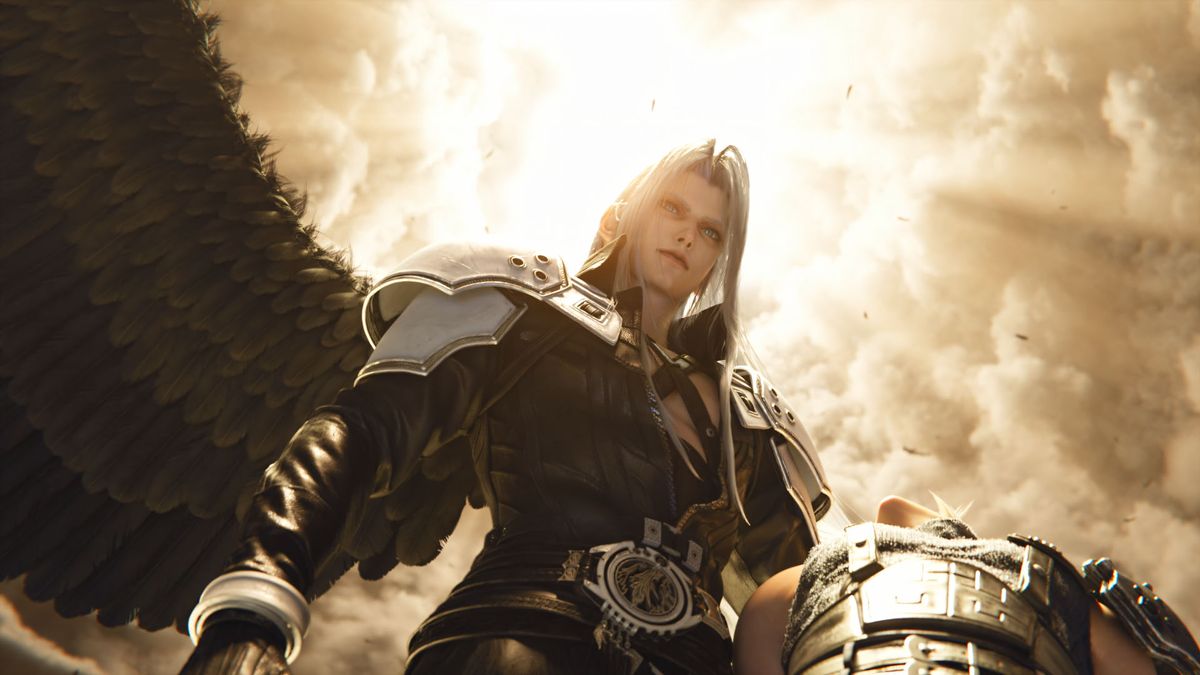
Splitting a beloved role-playing game into three releases creates a tricky promise: each entry has to move one larger story forward, but players still need to feel they have finished a meaningful adventure. For Naoki Hamaguchi, director of the Final Fantasy 7 trilogy, that balance was a condition from the start. Each game had to work as a complete experience in its own right.
Retro Context
The project revisits Final Fantasy 7 as a three-part series, so its shape is tied to the original game’s long journey and memorable turning points. Rather than treating each release as a simple slice cut from a single story, the team built its chapters around major moments. That approach gives the remakes room to revisit familiar ground while letting each game reach a satisfying stopping point.
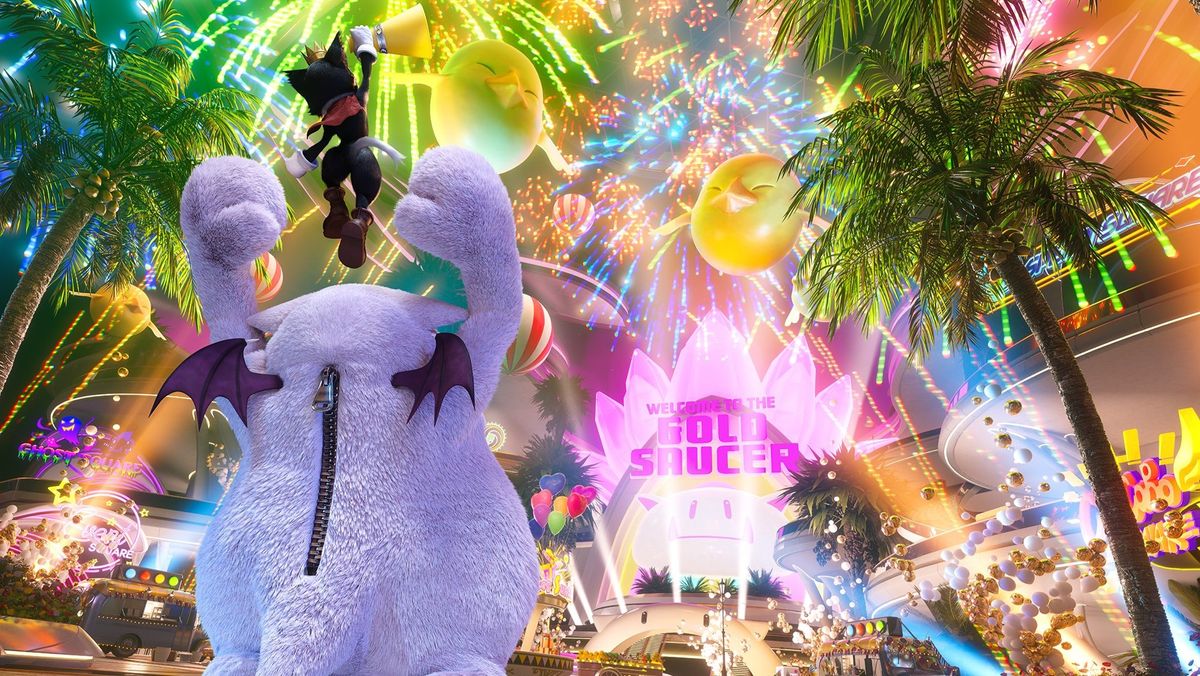
The first game, Final Fantasy 7 Remake, ends with Cloud and his companions escaping Midgar. In the original adventure, leaving the city leads into a much broader world. Rebirth, released in 2024, also concludes after a major moment from the original story. These endings mark clear changes in the journey, helping each release feel like a chapter with its own shape rather than an arbitrary pause.
Why It Matters
For players, that design goal affects how a trilogy feels between releases. A strong ending can give an individual game a sense of completion, even when the larger plot still has more to tell. Hamaguchi described avoiding the feeling that a player had simply reached the end of a fraction of a game as the central challenge. The aim was to make each entry satisfying on its own while keeping it connected to the wider story.
That balance also meant deciding what not to include in Rebirth. Rocket Town and Wutai, locations from the original, were absent. Hamaguchi said the team judged that depicting both alongside Rebirth’s existing plot and gameplay would make the game too dense with information. In their view, that would disrupt the pacing and take focus away from the second game.
For longtime fans, missing familiar places may stand out. The explanation offers a useful way to read those omissions: the trilogy is being shaped around the needs of each entry, rather than a checklist of everything from the original. Rebirth was already large, and adding more material could have made its story harder to follow. The trade-off is that some parts of the familiar journey are not present in this chapter.
Z-retro View
The trilogy’s structure asks the team to serve two expectations at once: honor a well-known story and make each new release feel complete. Ending around major story moments helps create clear chapter breaks, while leaving out locations can preserve pace and focus. Neither choice removes the challenge of adapting a game many players remember; together, they show how much shaping is involved in turning one long adventure into three.
Hamaguchi also spoke about Cloud’s character in the upcoming third and final chapter. People noticed in footage shown at SGF that Cloud’s way of speaking seemed gentler than before. Hamaguchi did not share details, but said players would experience a shift in Cloud’s character. For now, that is a small glimpse of how the final entry may continue his arc, without spelling out where it leads.