A Famous Team-Up With An Awkward Start
In the 1990s, Capcom and Marvel became one of those pairings that felt made for the arcade floor. Capcom had already built a powerful name in coin-op games, while Marvel brought a cast of comic book icons with decades of history behind them. Looking back, the partnership feels obvious. At the beginning, though, it was not quite so smooth. According to former Capcom localisation lead Tom Shiraiwa, Marvel was very careful with its characters and sometimes asked for rules that were hard to fit into a video game.
Shiraiwa worked as an important go-between for Capcom and Marvel during that early period. He recently looked back on projects he had been involved with, including 1994’s X-Men: Children of the Atom. One of the regular steps was sending character animation footage to Marvel for approval, often on videotape. That process could become surprisingly tricky when the comic logic of a character met the practical needs of a fighting game.
Why Juggernaut Became A Problem
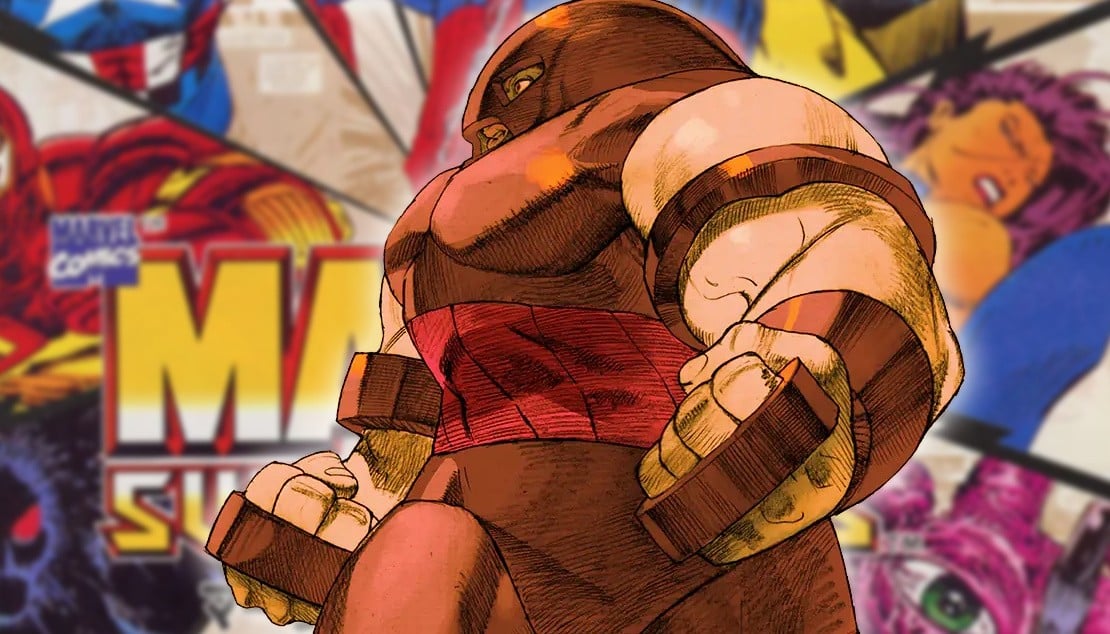
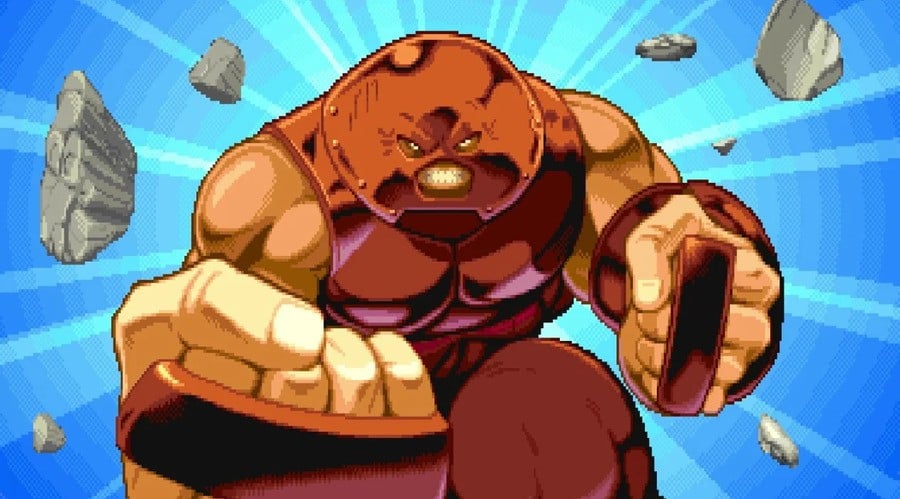
The clearest example was Juggernaut. Capcom and Marvel had agreed to use him, but when Capcom sent over his animations, Marvel objected to one basic action: jumping. The reason was simple in comic book terms. Juggernaut was considered too heavy. For Marvel, that meant he should not leap into the air like other characters. For Capcom, that raised an obvious problem, because X-Men: Children of the Atom was being built as a one-on-one arcade fighter where movement options mattered.
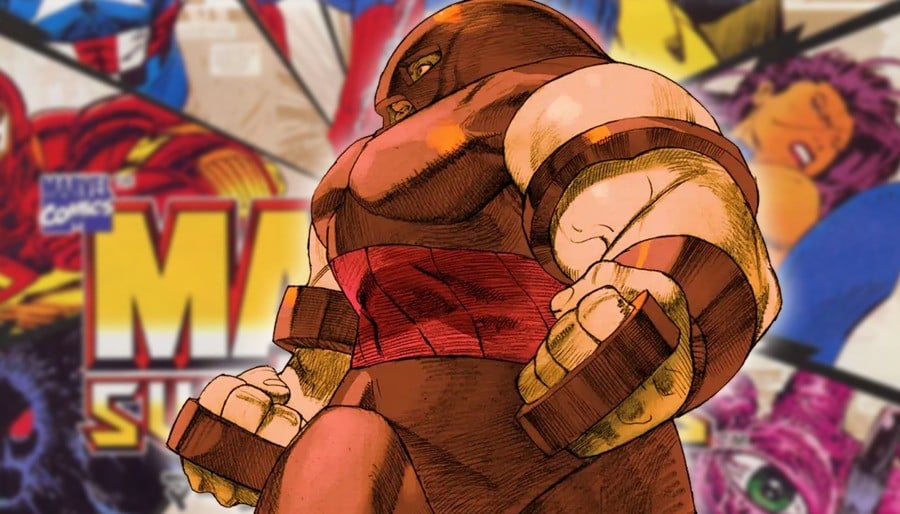
Juggernaut had been part of X-Men comics since July 1965. He is commonly shown as the stepbrother of Charles Xavier, better known as Professor X. Unlike Charles, he is not a mutant. His power comes from the Crimson Gem of Cyttorak, an otherworldly artifact that transforms him into a human juggernaut. His abilities include enormous strength and unstoppable momentum, the kind that lets him crash through almost anything in his path.
In Children of the Atom, Juggernaut appeared as a non-playable boss. He would later become playable in other Capcom arcade fighters, including Marvel Super Heroes and X-Men vs. Street Fighter. But during that first project, Capcom still had to solve the question of how a character could work in a head-to-head fighting system if he alone was not allowed to jump. Even in a game full of comic book flair, a single exception like that could make a character feel awkward rather than powerful.
Shiraiwa remembered trying to reason through the issue as the middleman. He asked what Juggernaut would do if he reached a large gap. Marvel’s answer, as he recalled it, was that Juggernaut would simply drop into the hole, land, and keep running. That response fit the unstoppable-force image, but it did not help much inside an arcade fighter. Capcom’s side was built around a clear practical point: everyone else could jump, so Juggernaut needed some way to function in the same combat space.
The Rules Loosened Later
This was not the only glimpse into the back-and-forth between the two companies. A fighting game YouTuber, TheSeventhForce, later uncovered a hidden Capcom website from the late 1990s. After it was translated by EventHubs, it offered more background on the making of Marvel vs. Capcom: Clash of Super Heroes and the kinds of conversations that shaped those games. Shiraiwa’s memories sit neatly beside that material, showing how much careful negotiation sat behind the fast, colorful action players saw on screen.
Shiraiwa said those early days came with plenty of headaches. Still, he also suggested that Marvel became much easier to work with once Capcom’s Marvel fighting games proved successful. After one or two head-to-head releases did very well, Marvel’s approach changed from tight control to much broader freedom. Shiraiwa found that funny in hindsight, wondering why the rules had been so strict at first. His takeaway was blunt but believable: success has a way of changing how much room a partner is willing to give.