For years, one small piece of Star Fox history has kept fans guessing: what happened to the live-action puppets used to promote the original SNES game? They were bright, strange, very early-'90s, and hard to forget. Then, after helping sell one of Nintendo's most important 3D experiments, they seemed to vanish.
The mystery now has a much cleaner answer thanks to Takashi Yamazaki, the filmmaker behind Godzilla Minus One and the creator connected to the Star Fox puppets. After a social media post about the investigation began circulating, Yamazaki responded with extra details that appear to settle the biggest question around the campaign.
The short version is this: the older theory that there may have been more than one set of puppets now looks unlikely. Yamazaki's comments suggest that a single set was created for the campaign, and that later images, including packaging-style shots, were likely altered from the same puppet material already seen in store displays and promotional footage.
That matters because it changes the likely fate of the models. If there was only one set, then the surviving trail points in one direction: the puppets were disposed of after production. It also means Cuthbert's earlier memory of seeing a different set may simply have been a hazy recollection from a very long time ago.
A Strange Little Star Fox Question
The original Star Fox arrived on the Super Nintendo in 1993, and Nintendo Co., Ltd. prepared a marketing push that leaned into the game's new polygonal look with something more physical: live-action puppets of the Star Fox crew, including Fox, Slippy, Falco, and the wider team.
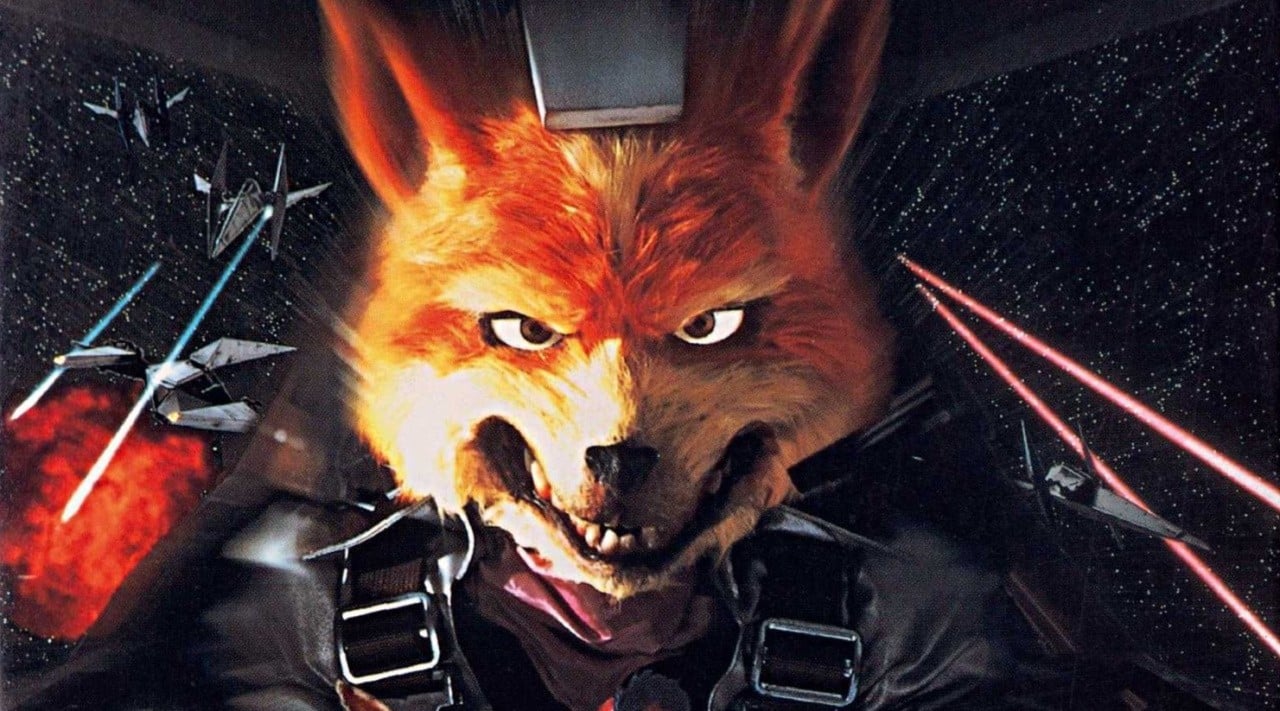
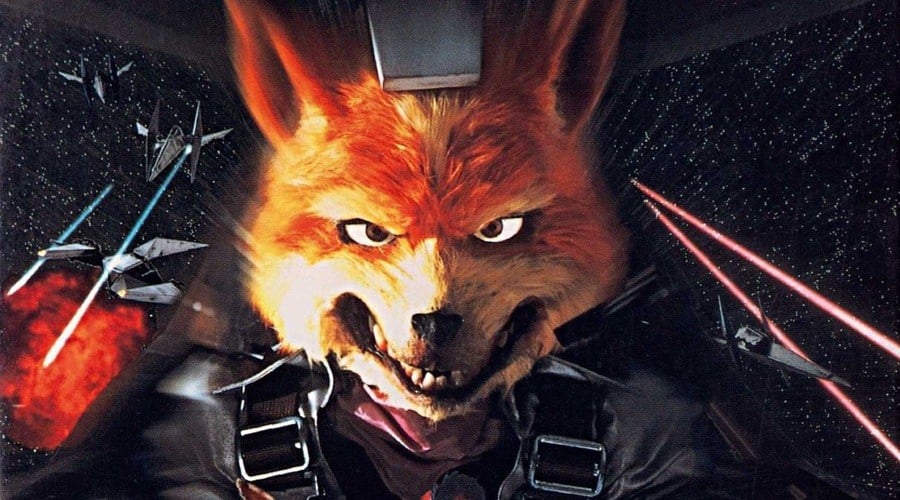
Those character models were not a tiny footnote at the time. They appeared across print advertising, in-store promotional material, the official box art, and the cover of a strategy guide. For anyone who grew up around that era, they gave Star Fox a very specific texture: half space opera, half handmade effects workshop.
Then they disappeared. No public museum display, no widely known Nintendo archive photo, no confirmed private collection. That absence left fans asking whether the puppets had been stored away somewhere in Kyoto, quietly broken down over time, or destroyed after their job was done.
What Yamazaki Added
Yamazaki's new explanation, translated by Liz Bushouse, adds an important piece of context. He said he was eager for work like this at the time, and was excited to make a commercial and send it in. He also noted that production was handled by Todoroki-kun, who now works with Anno-san.
The sad twist is that the commercial was shelved. According to Yamazaki, the concern was that the puppet footage looked too realistic and could make children think the actual game would look that way. He understood the reasoning, but still found it disappointing. It is a very believable Nintendo-era concern, especially when Star Fox itself was selling a new kind of visual trick on home hardware.
Before Yamazaki's response, the identity of the puppet creators had not been clearly confirmed in public. The strongest clue was an old early-'90s photo of Yamazaki posing with a Fox puppet, which made it seem possible that the work had some connection to the Japanese effects company Shirogumi.
There was also a practical reason to doubt the puppets could still exist. A response about the Fox puppets explained that the models made at the company used fur and feathers attached to natural rubber. That kind of material breaks down just by being exposed to air, so the puppets had to be destroyed once production was finished.
Why The Confusion Lasted
- The puppets appeared in several types of marketing, including store promos, print ads, box art, and a strategy guide cover.
- Some images seemed to show differences between the models, especially around the cockpit scenes and the box art shots.
- In one photo with Takashi Yamazaki, the puppet visible in the cockpit material appeared to lack legs, which encouraged the idea that separate models may have existed.
- Cuthbert later said his memory was uncertain and that it may have been a different set he remembered, but he could not add more firm detail.
Takaya Imamura, closely tied to Star Fox's original visual identity, also added doubt to the survival theory. He replied in Japanese that he had never seen the puppets in person, and that he had been told they were destroyed. That lined up with the material explanation, but it still left room for fans to wonder whether another set had been made for different shots.
Yamazaki's latest comments make that extra-set theory much harder to hold onto. The simpler reading is now the strongest one: one group of puppets was made for the Star Fox promotional campaign, the published images were likely based on that same work, and the models were later thrown away because their materials were not built to last.