A Busy Week For Old Machines
Welcome back to a new Retro Recap for May 3, 2026. This regular weekend roundup gathers the classic gaming stories, hardware notes, interviews, and smaller curios from the past week into one friendly stop. The mood this time is very Z-retro: a little nostalgic, a little practical, and full of machines that still have plenty to say.
One thread running through the week was a question many retro fans keep coming back to: how do old systems stay useful, readable, and fun in a modern setup? The answer is rarely one thing. Sometimes it is a new version of a classic computer. Sometimes it is a small scaler, a handheld remake, or a fresh interview that fills in a piece of gaming history.
Commodore 64C Ultimate Looks Ahead By Looking Back
The slimline Commodore 64C Ultimate was one of the hardware highlights. Instead of leaning on the older 1982 “breadbin” shape, it uses the cleaner Commodore 64C look associated with the 1986 to 1994 period. The company frames that later case style as an important part of the personal computer shape that followed in later years.
That design choice matters because the Commodore 64 has more than one visual memory attached to it. For some players, the chunkier early model is the icon. For others, the flatter C64C is the machine that feels more at home beside later home computers. The Ultimate version clearly speaks to that second memory while keeping the C64 name at the center.
Morph 2K Offers A Different Upscaling Route
The Morph 2K also stood out as a possible option for players who want a cleaner HDMI route without chasing the top end of the market. Unlike the expensive but highly regarded RetroTINK 4K, the Morph 2K reaches up to 1080p at 60Hz over HDMI rather than 4K.
That limit is not necessarily a problem. If a player is not worried about sending a 4K signal to a display, 1080p at 60Hz may be enough for a tidy retro setup. The point is choice: not every classic gaming corner needs the same scaler, and not every setup has to be built around the most premium box available.
Two New Handhelds Bring Classic Computers To A Small Screen
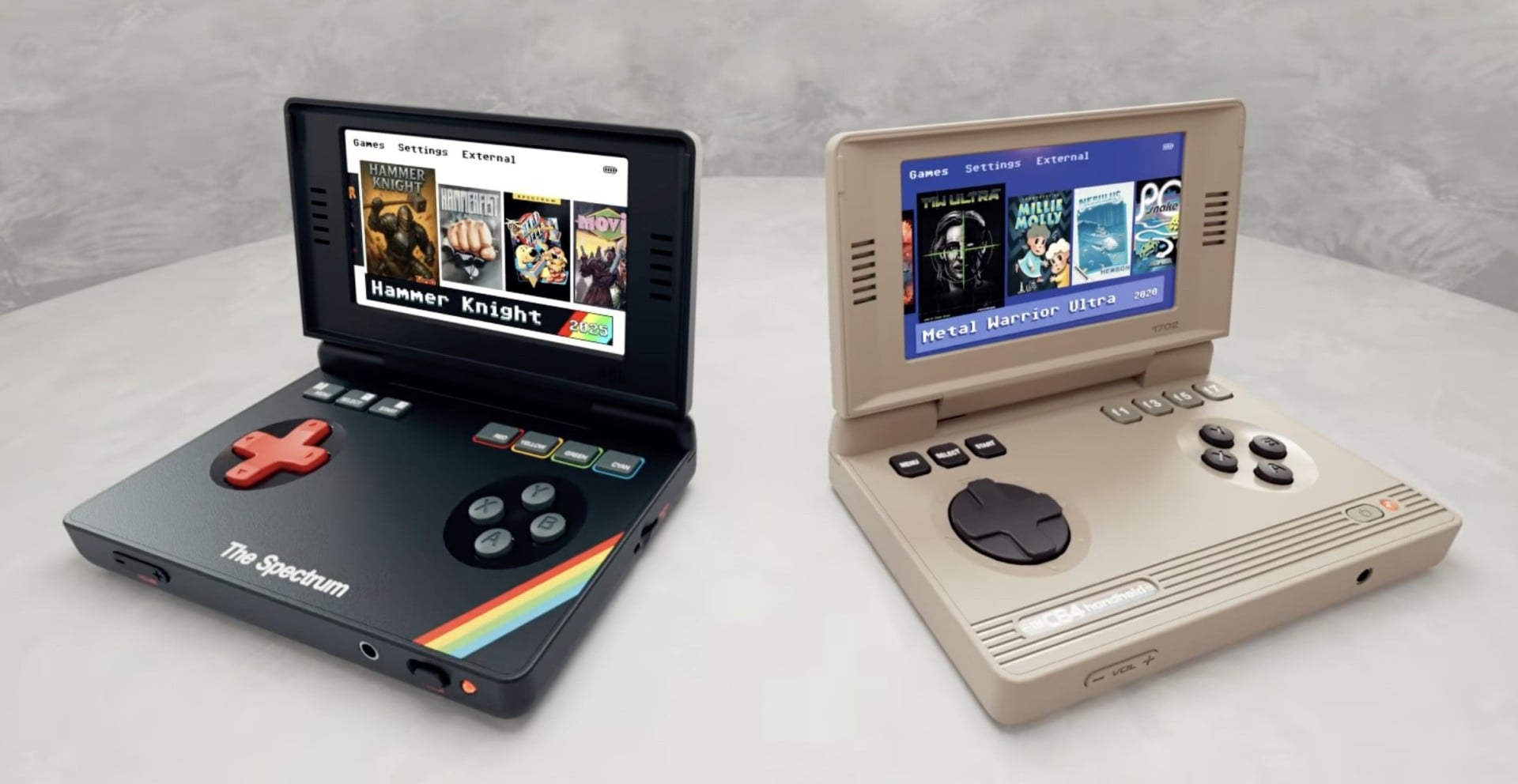
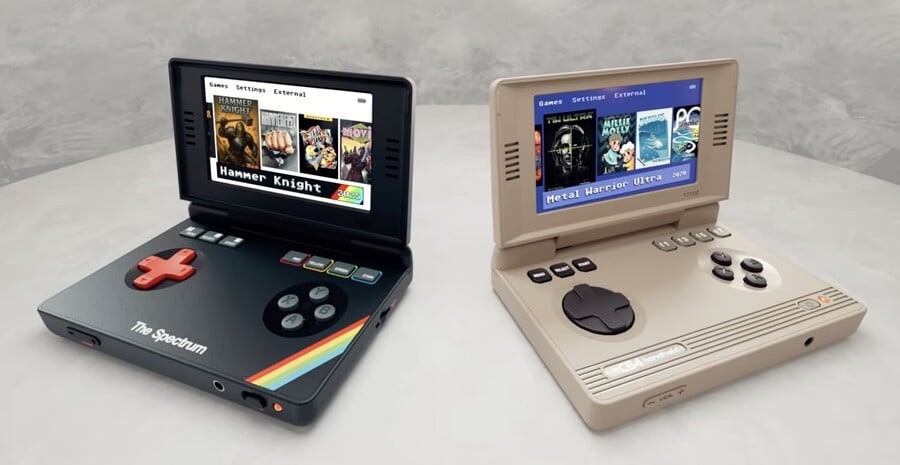
Blaze also had two handheld systems in the spotlight: THEC64 Handheld and The Spectrum Handheld. Each unit includes 25 built-in games, a 4.3-inch IPS display, simplified controls, and MicroSD support for loading your own games. A USB-A I/O port also lets users connect a USB keyboard.
The simplified controls are an important detail, because both machines come from computer traditions where the keyboard was part of the original experience. These handheld versions try to make play work on a compact device while still leaving a route back to keyboard input when a game or user needs it.
An AI-Made Port Raises New Questions
Another story came from TheWizWiki, who was unusually open about a port described as “100% AI-generated.” According to the explanation, the work took a little over 25 days, with TheWizWiki, Opus 4.6, Opus 4.7, and GPT 5.5 named as the only contributors.
The account also said agents were dispatched at points in the process and worked on building and testing autonomously. Whatever people think about that approach, the transparency is notable. It gives retro fans a clearer look at how AI-assisted development is being presented in public, especially around ports and preservation-adjacent projects.