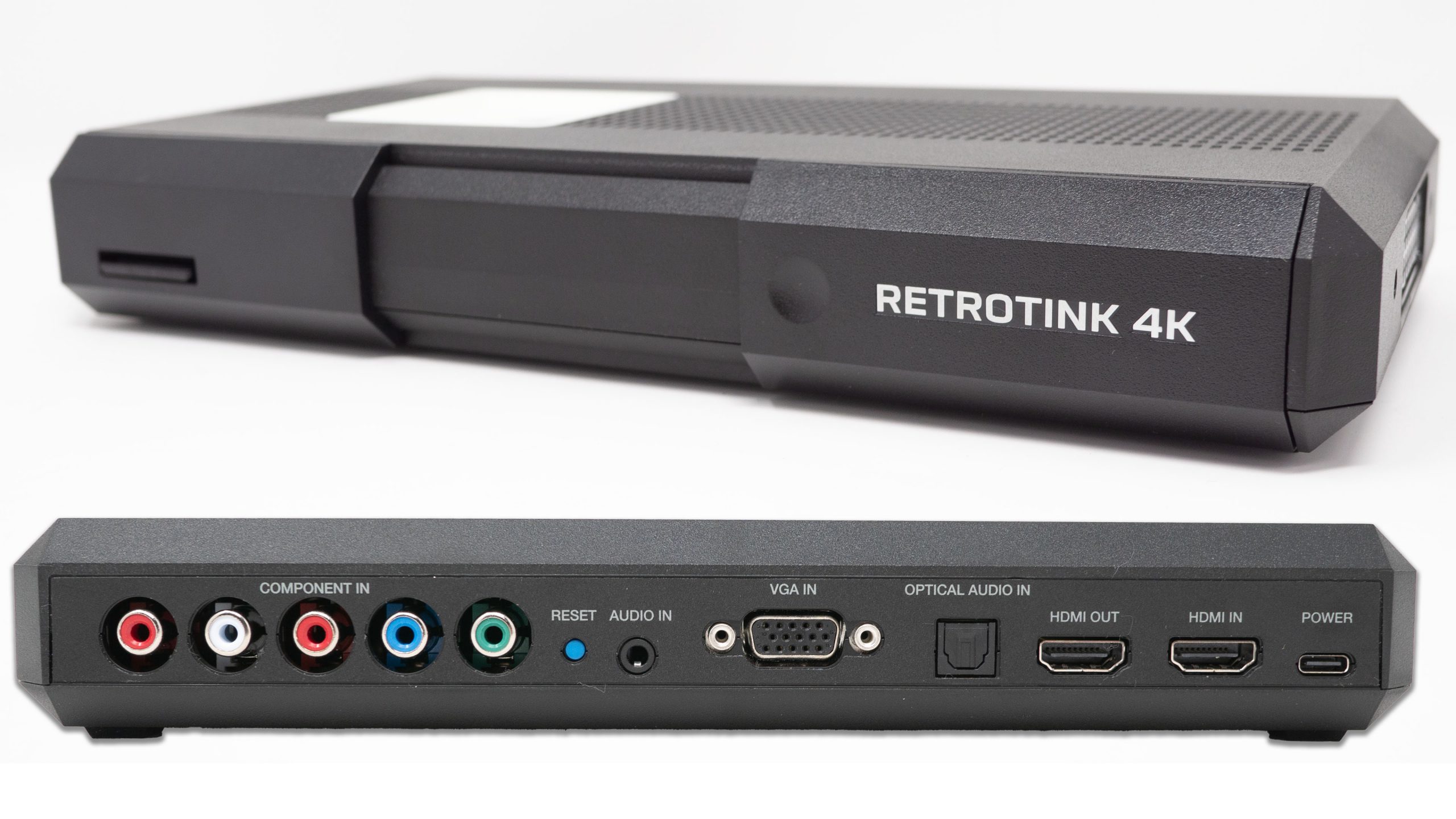

Voultar recently showed a livestream proof of concept for modifying launch edition RetroTINK 5X units so they can reach the 4:4:4 output capability found on later hardware revisions. It is an interesting hardware project, but it is not something every RetroTINK 5X owner needs to chase. The most important first step is not soldering, shopping for parts, or opening the case. It is checking the serial information in the RetroTINK 5X firmware and looking at the revision letter at the end.
If that letter is C or higher, this specific mod does not apply to your unit. Later revisions already gained the relevant output-side capability through hardware changes, so owners of those units are not missing the same feature that early launch boards lack. That single check will answer the question for many readers. If your unit is a rev A or rev B board, then the topic becomes more relevant, but even then it should be treated as a specialist upgrade rather than a routine improvement.
Retro Context
The RetroTINK 5X sits in an important part of modern retro gaming: making old console video usable on modern displays without turning every setup into a complicated project. Earlier devices such as the RetroTINK 2X helped players get simple, low-fuss scaling, while the OSSC became known for deeper control and sharper options. The RetroTINK 5X aimed to bring that kind of serious scaler appeal into a device that was still approachable for normal play. That balance is why small hardware differences inside the 5X matter to a very particular group of users.
Retro video enthusiasts often care about details that most players may never notice. Color format, output processing, scaling modes, and CRT mask effects can all matter when someone is trying to make a flat-panel display behave more like an idealized retro setup. A 4:4:4 output path is one of those details. It can matter when the goal is preserving the cleanest possible signal treatment, especially when fine mask detail and sharp pixel presentation are involved. At the same time, it is not the same kind of upgrade as replacing a broken port or adding a missing video output to a console. This is a refinement for a narrow use case.
The difference between early and later RetroTINK 5X boards came from practical hardware realities. During the COVID-era parts shortage, Mike had to redesign the main circuit more than once so available components could be used without compromising the product. One of those revision changes, beginning with board rev C, brought a useful side effect: the final output stage had more bit depth available, which allowed 4:4:4 lossless output. In other words, the later hardware did not receive this capability because of a cosmetic refresh. It came from deeper board-level changes made while keeping the product moving through a difficult parts environment.
Firmware also changed how much this feature mattered to the most demanding users. The v4 firmware added a 3840x960 output option. That mode is not true full 4K output, because the vertical resolution is still 960 pixels, but it lets horizontal CRT mask detail be drawn at a 4K level of detail while the television scales the vertical information. For people using mask effects on a 4K TV, that makes the output chain more interesting. On rev A and rev B boards, the television is still processing a signal that does not have the same 4:4:4-capable output path as the later boards.
Voultar’s mod shows that the early limitation can be addressed, but the work is not casual. According to the source details, rev A units require a crystal swap, and both rev A and rev B units require circuit changes to allow the needed 4:4:4 signal processing. That places the project in advanced hardware territory. It is the kind of work that may appeal to skilled modders, repair technicians, and collectors who enjoy pushing original hardware to its fullest possible feature set. It is not a sensible first soldering project, and it should not be treated like a simple plug-in accessory.
Quick Owner Checklist
- Check the serial information in the RetroTINK 5X firmware before making any plans.
- If the revision letter is C or higher, this particular 4:4:4 launch edition mod is not for your unit.
- If the unit is rev A or rev B, the mod may be relevant, but it remains complex.
- Rev A work includes a crystal swap, while both rev A and rev B need circuit modification for the 4:4:4 path.
- Arthrimus, creator of SVS, has mentioned considering a flex cable, but that would not make the job beginner-friendly.
- Treat the upgrade as a specialist option for a small audience, not as a required maintenance fix.
Why It Matters
The practical value here is clarity. Owners of later RetroTINK 5X units can stop worrying once they confirm the revision letter. Owners of early boards can make a more informed choice instead of assuming they must modify the unit to keep it useful. The RetroTINK 5X was already designed as a strong, capable scaler, and the early boards did not suddenly become poor devices because a demanding mod now exists. The benefit is real for people chasing a very specific output capability, but the everyday impact depends heavily on the display, settings, and how sensitive the user is to this kind of video-chain detail.
There is also a risk-and-reward question. Any board-level modification can carry the possibility of damage if the work is rushed or performed without the right skill. Even if a future flex cable makes the process easier, the source describes the expected difficulty as closer to a console HDMI mod than to a simple add-on. That is a useful comparison for readers: this is not just about whether the result is desirable, but whether the cost, risk, and labor make sense for one specific RetroTINK 5X unit.
Z-retro View
Our view is that Voultar’s RetroTINK 5X launch edition 4:4:4 mod is an impressive enthusiast project, but not a broad recommendation. It is good that skilled modders are finding ways to extend early hardware, and it is fair for launch-unit owners to want every feature later boards gained. At the same time, most players should start and end with the revision check. If the unit is rev C or newer, move on. If it is rev A or rev B, consider the mod only if you understand the limits, have access to expert work, and care enough about this output detail to justify the risk.