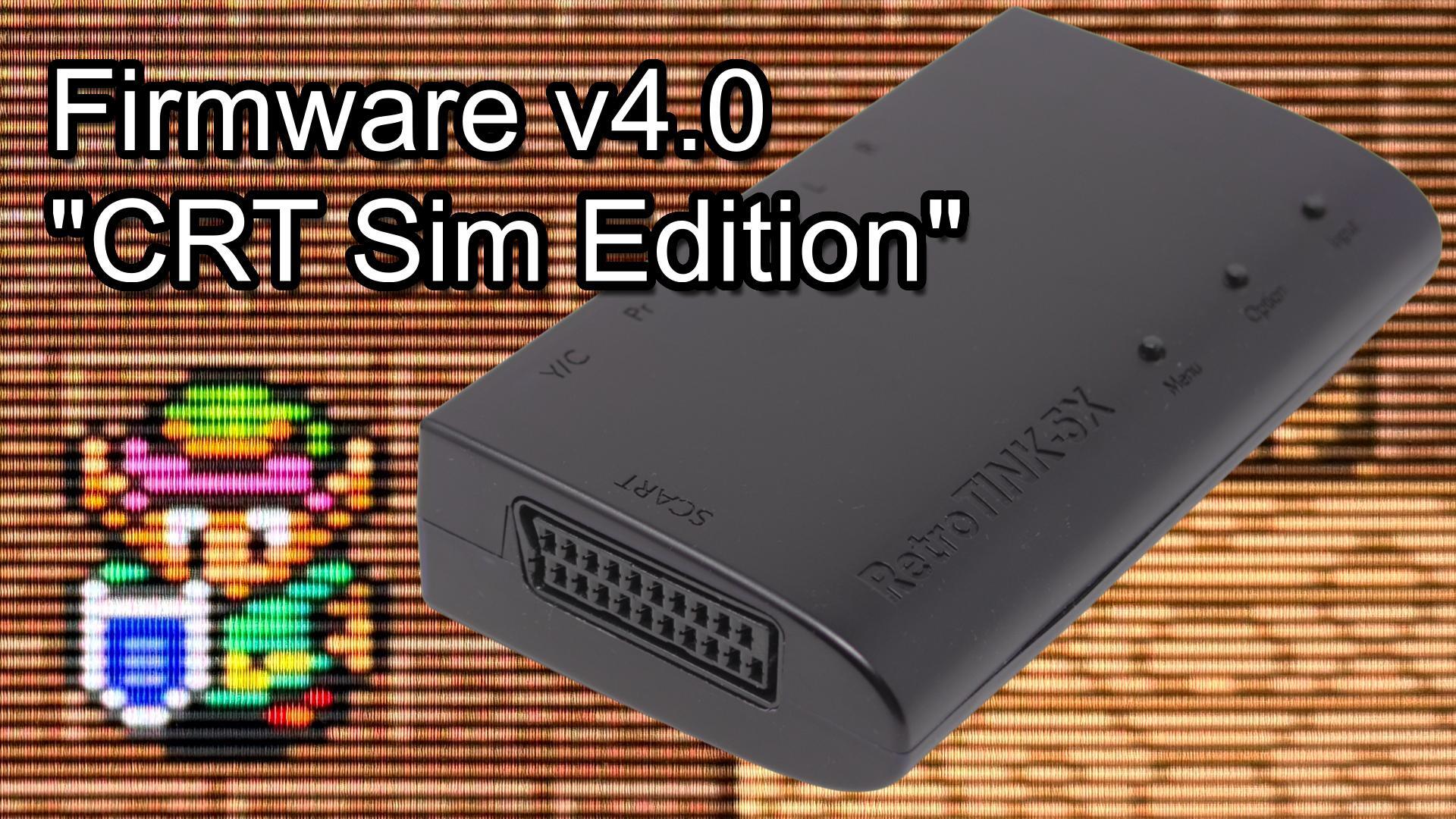
Video game upscaling hardware has seen incredible advancements over the last decade, allowing vintage consoles to look pristine on modern flat-panel televisions. Almost exactly five years after the initial launch of the highly acclaimed RetroTINK 5x, hardware creator Mike Chi has released a significant software update. However, rather than a standard, incremental patch that overwrites previous functions, firmware version 4.0 is being framed as an experimental, alternative branch. This specific release is heavily dedicated to advancing how the device handles cathode-ray tube mask emulation, bringing top-tier visual simulation to a device that many retro enthusiasts already own.
Retro Context
To understand the significance of this update, it is helpful to look at how retro gaming upscalers have evolved. Early devices focused primarily on interpreting the low-resolution, 240p signals from consoles like the Super Nintendo or Sega Genesis, turning them into a progressive image that a high-definition television could understand without adding controller lag. Over time, the community began to desire not just sharp pixels, but an authentic recreation of the screens these games were originally designed for. Old tube televisions possessed distinct physical traits: glowing phosphors, horizontal scanlines, and subtle geometry quirks that inherently blended pixel art into cohesive illustrations. Recreating that physical mask on a perfectly sharp, modern digital display requires immense processing power and complex color mathematics.
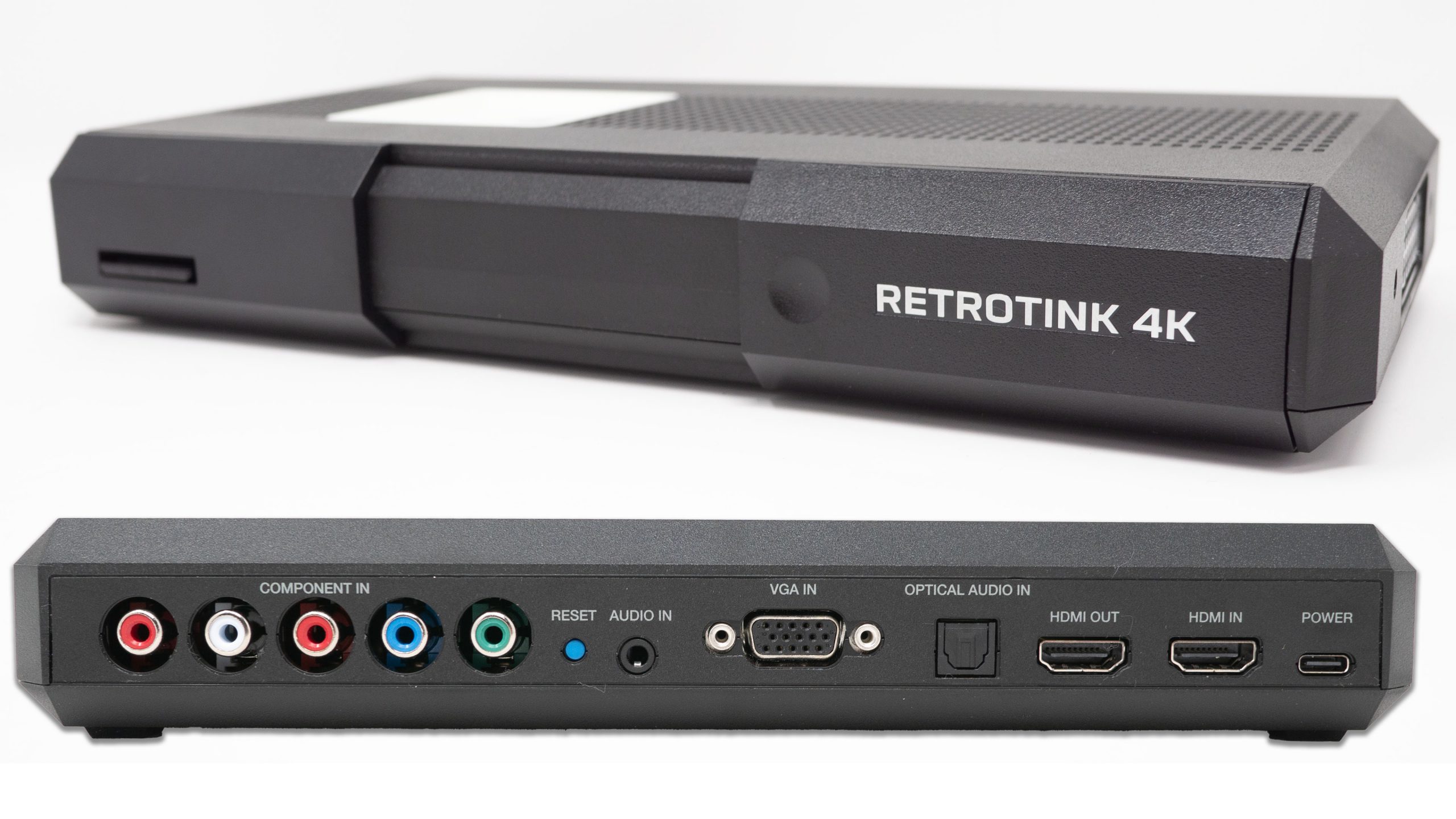
Recently, the release of the premium RetroTINK 4K introduced a vastly more powerful processing pipeline capable of handling high-dynamic-range lighting and intense color accuracy. That flagship device set a new standard for simulating the look of a glowing tube screen. The version 4.0 firmware for the RetroTINK 5x is essentially a backport of that modern engineering. By rewriting the foundational code of the older device, the developer has managed to squeeze a large portion of the RetroTINK 4K’s advanced processing techniques into the five-year-old hardware, bridging the gap between the two generations of upscalers.
Technical Advancements in Version 4.0
The core of this experimental firmware is the implementation of a 12-bit per channel RGB 4:4:4 Linear Light processing pipeline. In practical terms, this changes how the device calculates color and brightness. Older methods for adding scanlines or shadow masks often resulted in an image that looked too dark or had crushed colors because the math was applied to the final image in a less sophisticated way. By moving to a linear light pipeline, the RetroTINK 5x can now process light and color much closer to how a real display operates, resulting in energy-normalizing scanlines that maintain the correct overall brightness of the scene. Furthermore, the firmware introduces real Rec. 2020 HDR10 support. Because simulating the dark gaps between physical television phosphors inevitably darkens the picture, utilizing a television's high-dynamic-range capabilities allows the upscaler to drive the artificial phosphors at a much higher brightness, creating a highly authentic, glowing effect that represents a massive step up from older injection methods.
Another fascinating addition is the introduction of Quasi-4K modes. The RetroTINK 5x does not have the hardware bandwidth to output a full 4K resolution signal at sixty frames per second. However, this new mode cleverly instructs the device to output an image with the horizontal width of a 4K signal while keeping the vertical height at 1080p. As long as the user's television is compatible with this unusual resolution format and can smoothly interpolate the vertical lines to fill the screen, this trick allows the RetroTINK 5x to draw the intricate, horizontal details of a CRT mask with 4K-level precision.
Hardware Revisions and Limitations
Pushing older silicon to its absolute limit comes with inevitable compromises, and this firmware branch highlights the internal hardware changes the RetroTINK 5x underwent during its production run. Units sold after mid-2022 are considered Revision C. These models contain slightly updated internal components capable of handling this new firmware without any limitations, providing full RGB 4:4:4 shadow mask support. Conversely, units sold before mid-2022, known as Revision B, will exhibit degraded shadow mask quality due to older component tolerances. The earliest launch units, Revision A, face the steepest hurdles and may experience image stability issues at resolutions above 1080p until the developer can rework the core genlock timing code. Additionally, due to the sheer amount of processing power required for the new pipeline, this firmware branch temporarily drops support for inverse telecine and the highly effective motion-adaptive deinterlacing that was present in the version 3.97 software.
Why It Matters
This update matters because it gives owners of an older device access to cutting-edge visual processing without requiring them to purchase entirely new hardware. However, the caveat is that this is a highly specialized firmware branch, not a mandatory daily driver for everyone. If your retro gaming setup relies heavily on 480i consoles like the PlayStation 2 or Nintendo GameCube, you will likely want to stick with the older version 3.97 firmware to retain the superior motion-adaptive deinterlacing. On the other hand, if your primary goal is making 240p pixel art from the Super Nintendo or Sega Saturn look like it is running on a high-end Sony PVM monitor, version 4.0 is a revelation. Thankfully, the RetroTINK architecture allows users to freely flash different firmware versions without locking the device or voiding the warranty, making it safe and easy to experiment.
Z-retro View
The release of firmware version 4.0 for the RetroTINK 5x is a masterclass in post-launch product support, demonstrating what is possible when a developer intimately understands their own hardware architecture. Pushing a five-year-old device to adopt the processing pipeline of its successor is an impressive engineering feat that adds immense value for the end user. At the same time, the fragmentation of features—where certain hardware revisions handle the update better than others, and specific deinterlacing features had to be sacrificed—shows the hard boundaries of legacy silicon. It serves as both a fantastic bonus for existing owners and a clear indicator of why entirely new hardware like the RetroTINK 4K eventually becomes necessary to house these complex visual technologies under one unified roof.