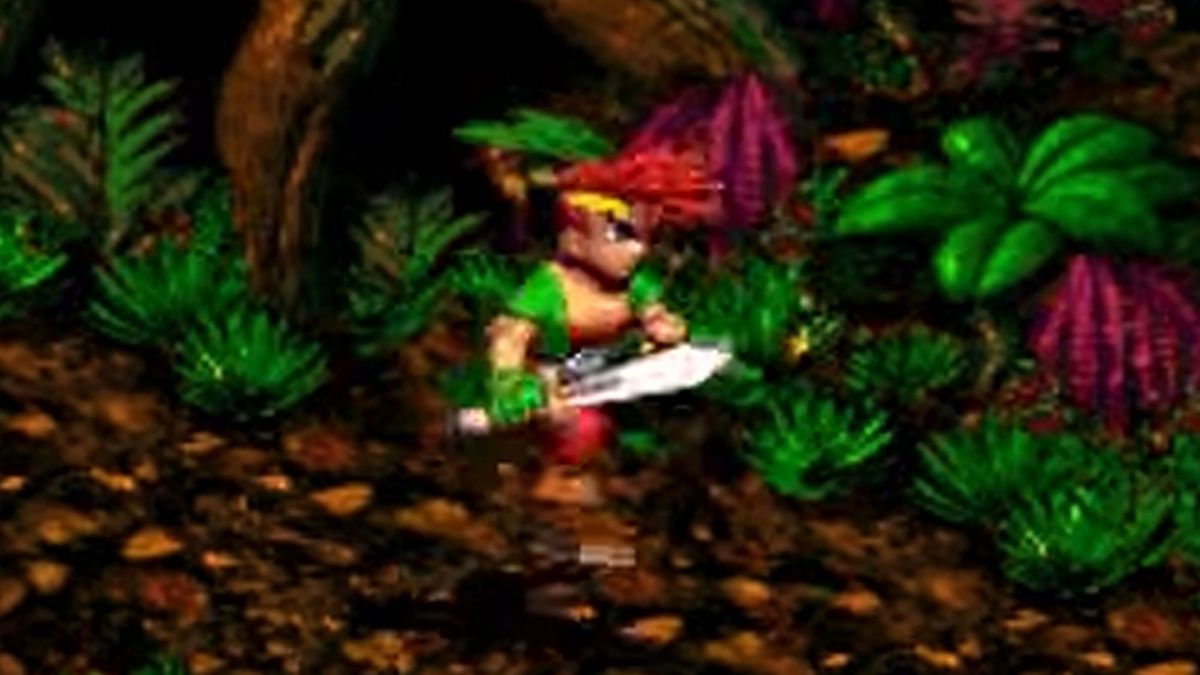
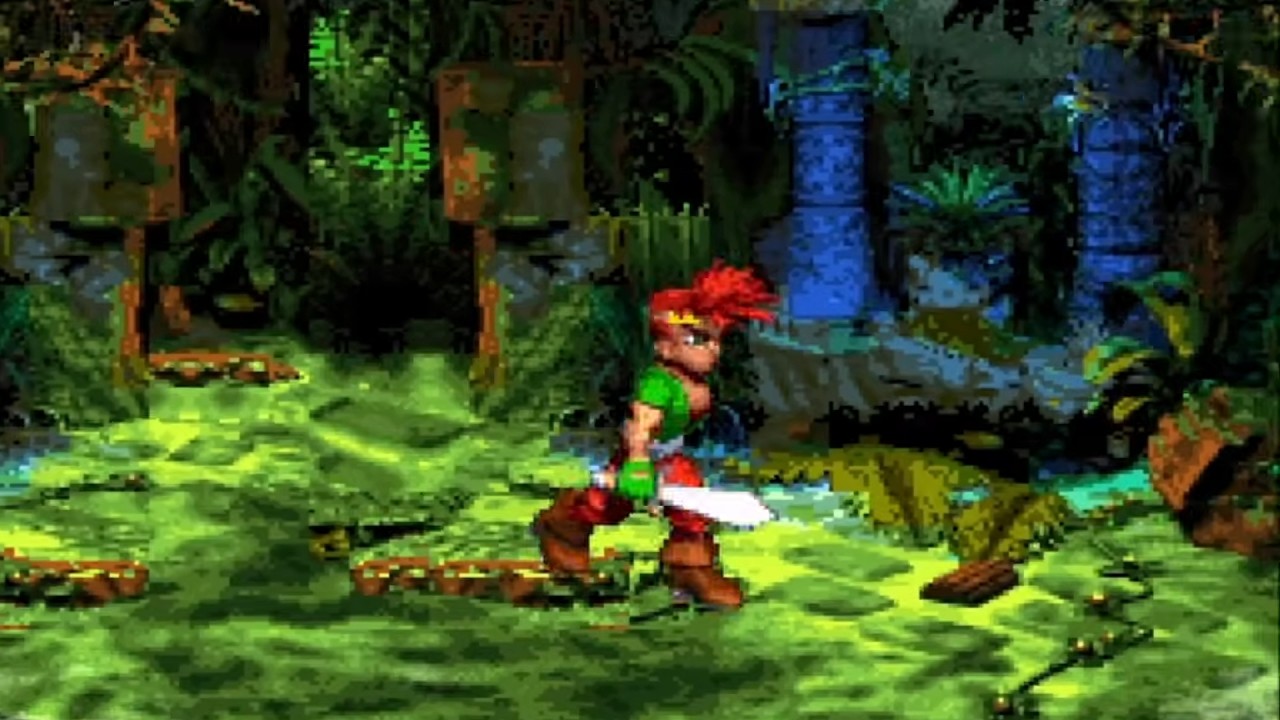
A piece of Rare history has surfaced in the form of ROM files for Project Dream, a canceled proof of concept for a pirate role-playing game made for the Super Nintendo. The project did not become a finished release, but its ideas would eventually provide the basis for Banjo-Kazooie. For players who know that later series, the prototype offers a rare chance to look back at an earlier stage in its story.
Retro Context
Project Dream belongs to the era when a game could change direction well before reaching store shelves. Rare has talked about the project and shown footage over the years, so its existence was not a secret. What is new is that the ROM files have become widely available online for the first time. That distinction matters: seeing selected footage can show a project’s look, while access to a prototype gives interested people a chance to inspect the material more closely.
The game began as a pirate RPG concept for SNES, but it was canceled and later became part of the path toward Banjo-Kazooie. That makes Project Dream useful to retro fans in two ways: it is a glimpse of an unreleased Rare project, and it helps trace how an idea can outlive its original form. The files do not turn the canceled game into a finished release, but they preserve a version of its development that had previously been hard for the public to access.
The person who released the ROMs describes their own chain of custody vaguely, saying they obtained the prototype “from someone who got it from someone, who got it from somewhere.” That leaves the file’s path to the leaker unclear. Their stated reason for sharing it is preservation, along with the hope that people with more expertise can examine and dissect the ROM. The files’ online availability is therefore an opportunity for study, but the account of where they came from is not a detailed provenance record.
Why It Matters
For longtime Rare followers, Project Dream adds a tangible chapter to a story that until now was mostly told through discussion and footage. Curious players can compare what survives of the early concept with the later series it helped inform. Researchers and preservation-minded fans may also find value in being able to examine the prototype directly, rather than relying only on selected clips. No further details about the ROM’s contents are established here, so it is best to treat it as a development artifact rather than a complete account of the game.
The release also lands amid wider concerns about the future of Rare. The company has been affected by Microsoft’s downsizing, which began in July with 1,600 job cuts and is expected to bring a further 1,600 redundancies by the end of Microsoft’s 2027 fiscal year. Rare’s planned game Everwild was canceled after six years of development. Those events give the leaker’s preservation argument its context, though they do not change the uncertain route by which the prototype reached them.
The leaker’s message goes beyond Project Dream. They point to layoffs, AI, anti-preservation and ownership practices, and make political claims about Microsoft. They also urge readers to leave Microsoft and Sony products, install Linux, boycott Switch Game Key Cards, and buy Nintendo Switch 2 games that still include physical media. Those are the leaker’s personal views and requests, not details about the prototype itself. Readers can consider the files’ preservation value without adopting the full set of opinions attached to the release.
Z-retro View
Project Dream is worth attention because it connects an unreleased SNES experiment to one of Rare’s best-known later series, while also giving preservation-minded people new material to examine. At the same time, a leak comes with questions about where the files originated, and a prototype should not be mistaken for a finished game. The most useful next step is careful documentation: keeping the files available for study and letting knowledgeable people explain what they contain, while being clear about what remains uncertain.