Retro Context
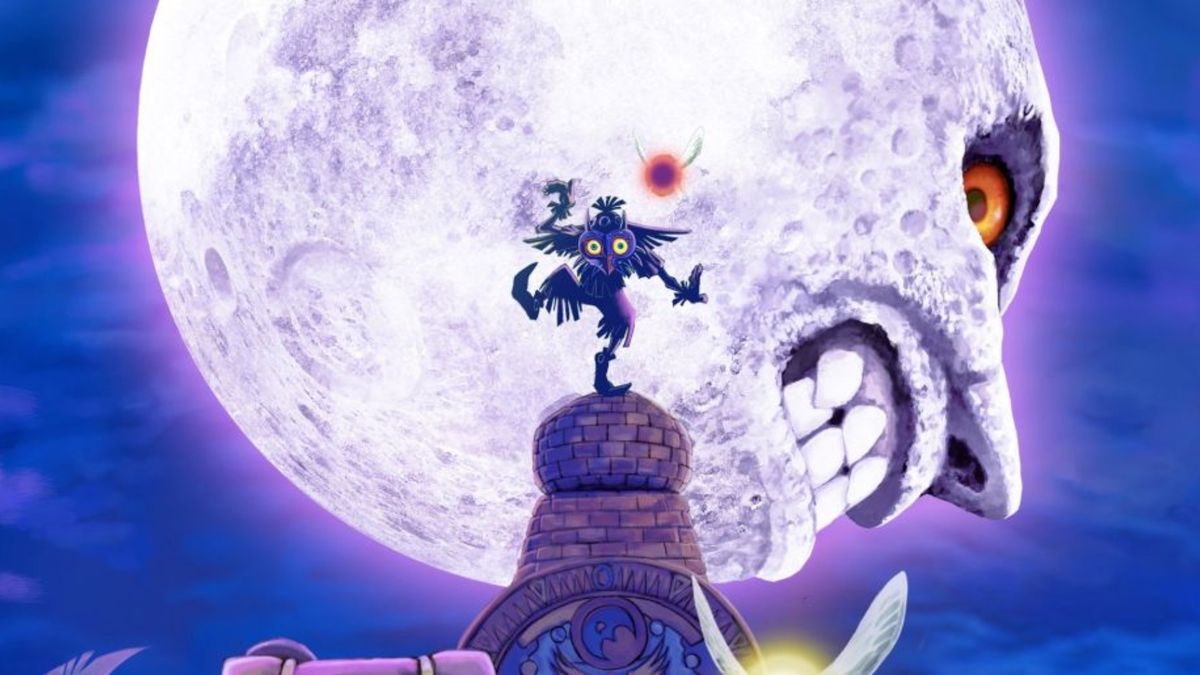
Takaya Imamura has a long history with Nintendo games. He worked as a designer on Star Fox and as art director on The Legend of Zelda: Majora’s Mask, and created designs for characters including Fox McCloud, Tingle, and Captain Falcon. That background gives his current experiment a particular resonance: it comes from someone whose work helped shape some memorable faces in Nintendo’s catalogue.
Imamura is now testing game development with AI. In a post on Twitter, he described brainstorming with the technology as similar to the old days of making games alongside programmers. The comparison points to a familiar part of development: ideas often need to be worked through with other people before they become something playable. For Imamura, AI offers a new way to explore that back-and-forth.
Why It Matters
Imamura has said he is not a programmer, and that he is “genuinely amazed” AI can help fill that gap and turn his ideas into a working game. That is the practical appeal of his test: a person with a game concept can try to move it toward a playable form even without doing all the programming themselves. It is an encouraging possibility for creators who want to experiment, while still leaving open questions about what the tool can do and how it should be used.
The response also shows why enthusiasm for the technology is not universal. One commenter raised ethical concerns about generative AI, including the view that training models on other people’s work harms artists. Imamura said he understood the point, while explaining that AI is relevant to his profession. His reply, as relayed through machine translation, is part of an exchange rather than a full resolution of those concerns. The two reactions can sit side by side: a tool may be useful to one creator, while its development and use remain troubling to others.
The debate reaches beyond this one experiment. The source material notes that Pocketpair lead John Buckley has said gamers do not want AI, while Mewgenics co-developer Tyler Glaiel has spoken about artists using it for small parts of their process. Those comments point to different questions: whether players accept AI-made work, and whether a limited use within a creative workflow feels different from relying on it more broadly. They do not, by themselves, settle what audiences or developers think as a whole.
Imamura’s experience makes the discussion especially visible. His Nintendo credits include character designs that have stayed closely associated with the games they came from. That history helps explain why some fans may feel disappointed when an artist of his standing turns to AI, even for a test. At the same time, the available details describe an experiment in making a game, not a claim that AI can replace the judgement behind a distinctive character or art direction.
Z-retro View
For retro fans, the story brings two parts of game history into view: the people whose ideas shaped familiar worlds, and the changing tools that can help bring new ideas to life. Imamura’s comparison with working alongside programmers gives his test a clear creative context. It also reminds us that technology does not arrive in a vacuum; the people whose work supports it, and the players who encounter its results, matter to the conversation.
It is reasonable to be curious about what AI makes possible and to take artists’ concerns seriously at the same time. Imamura’s comments explain why the tool interests him, especially as someone who does not program. The criticism points to questions about how generative AI is built and what its use means for creative work. For now, this is a test and a public discussion around it. Watching how creators describe their process, and how players respond to the finished games, will offer more useful context than treating one experiment as a verdict on AI in games.