Retro Context
The Legend of Zelda has always made room for stories that feel like legends passed down through generations. Its official timeline gives those stories a framework, but the history is not a single straight line. At the end of Ocarina of Time, it splits into three branches, each following a different path for Link and Zelda. Over time, all three reach a point where their adventures fade into myth. Breath of the Wild then begins a fresh story among the ruins of Hyrule, bringing the series back to a world shaped by a distant past.
That structure is part of what makes Zelda lore enjoyable to revisit: a familiar name or image can point toward a much older chapter without explaining everything outright. Nintendo has apparently kept an internal timeline since 2003. It became public in 2011, and the company has updated it as new games arrived. Even so, Shigeru Miyamoto has said the timeline was never especially important to him. The games can stand on their own, while the published chronology gives curious fans another way to explore their connections.
Why It Matters
A revised timeline on Nintendo’s official Japanese website has added a notable entry for the founding of Hyrule, placed ahead of the events of the later era. Zelda specialist Zeltik drew attention to the change in a new lore video. The larger shape of the chronology remains familiar, but this addition appears to support a theory that has circulated since Tears of the Kingdom: the Hyrule in the newer games may have been founded again, rather than being the same kingdom continuing uninterrupted from the older stories.
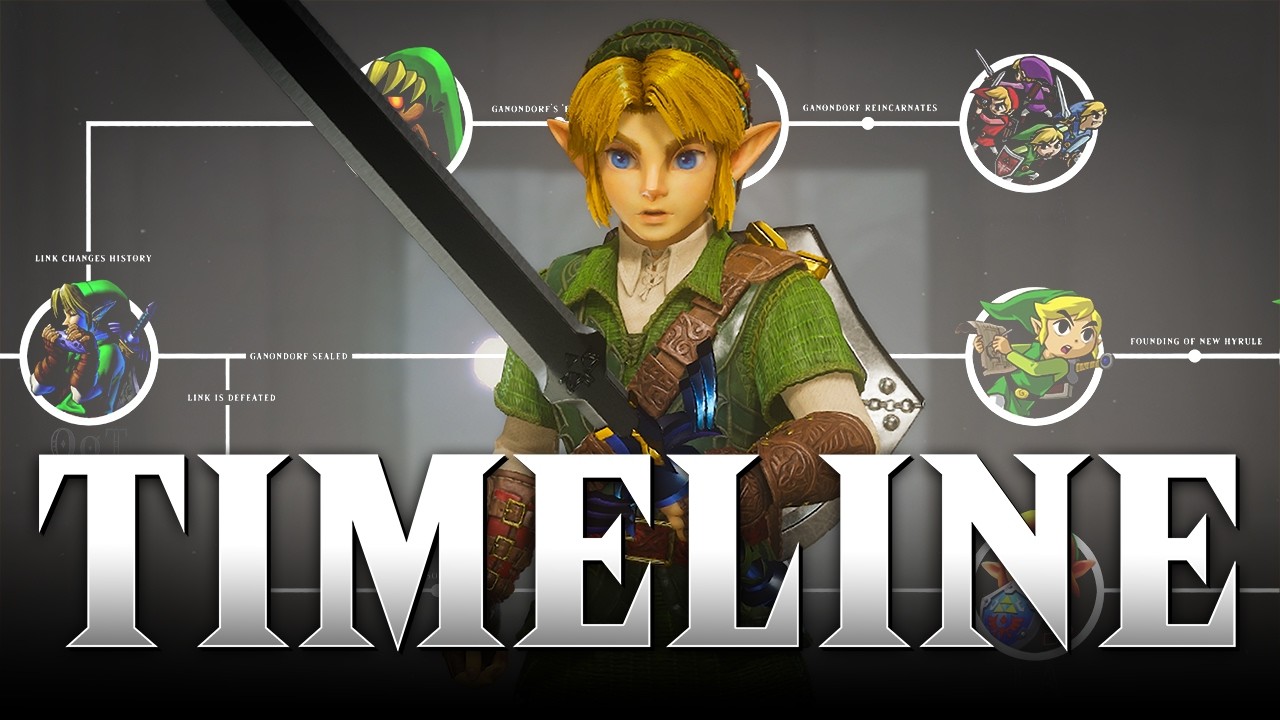
That is a meaningful clue, but it is not a complete explanation of how every game fits together. The official timeline already ends its three branches in a distant, myth-like past before Breath of the Wild starts a new tale amid Hyrule’s ruins. The added founding entry gives readers a reason to think there may be two Hyrules in the wider history, yet it does not settle every detail of the relationship between the old branches and the newer games. For lore fans, the update narrows one question while leaving plenty of room for discussion.
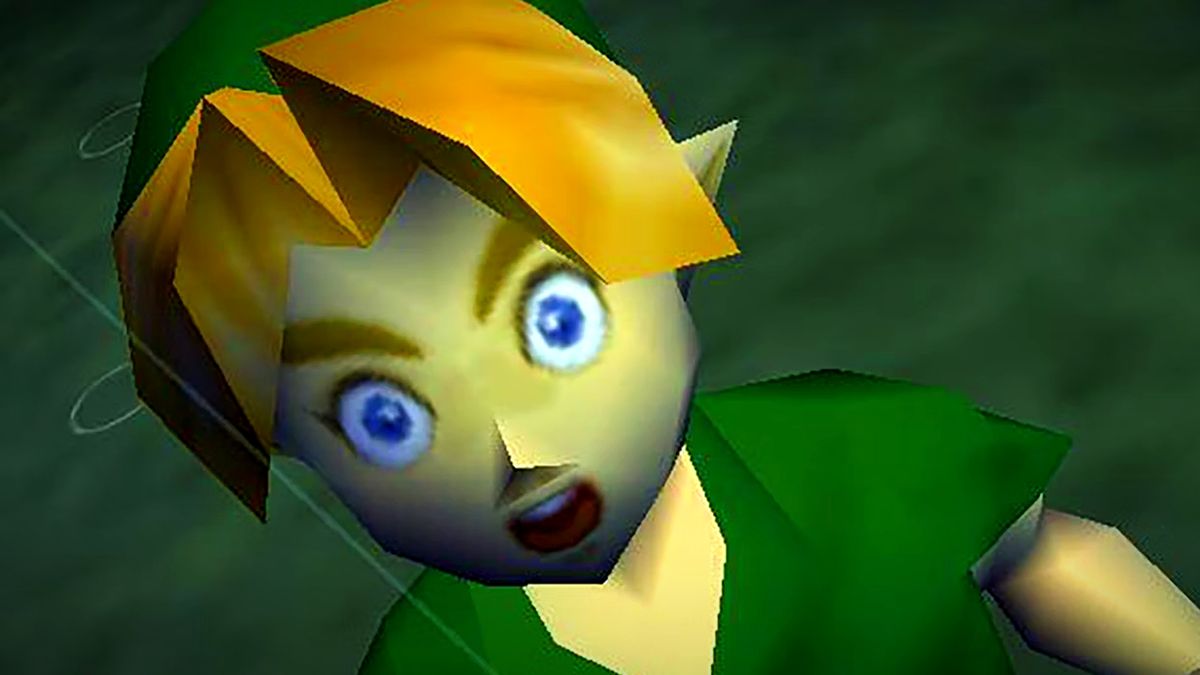
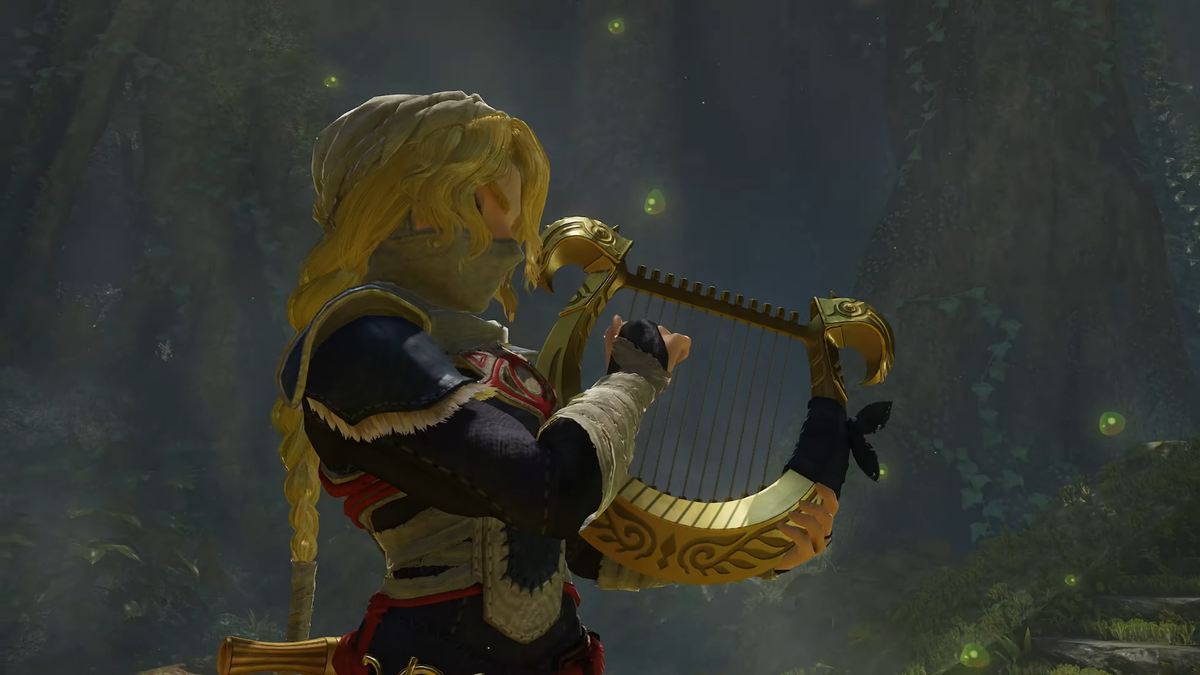
The Ocarina of Time remake adds another layer to that conversation. In the details highlighted by Zeltik, some Kokiri children now have tattoos resembling those worn by Queen Sonia in Tears of the Kingdom’s flashbacks. The remake also includes Sheikah patterns that recall the visual language of the Breath of the Wild era. These are small touches, but they stand out because Ocarina of Time belongs to an earlier point in the series’ history, while the newer games sit much later in the published chronology.
Those details have more than one plausible reading. They could hint that the remake has been subtly adjusted to sit closer to the Breath of the Wild era. They could also be design choices that make a modern remake feel visually at home alongside recent Zelda games, without changing where its story belongs. The available clues do not confirm either explanation. Treating the motifs as a definite timeline link would go further than the evidence allows, but noticing them makes the remake more interesting to compare with the games that followed.
Z-retro View
Nintendo’s update feels like a useful nudge for anyone who enjoys tracking Zelda’s long history. It lends weight to the refounding theory, and the remake’s visual details give fans another set of clues to examine. At the same time, Zelda’s timeline has never needed to explain every design choice or carry the meaning of every game. Keeping both ideas in view makes the discussion more rewarding: the official chronology matters to the people who follow it, while some mysteries can remain open until Nintendo offers clearer answers.