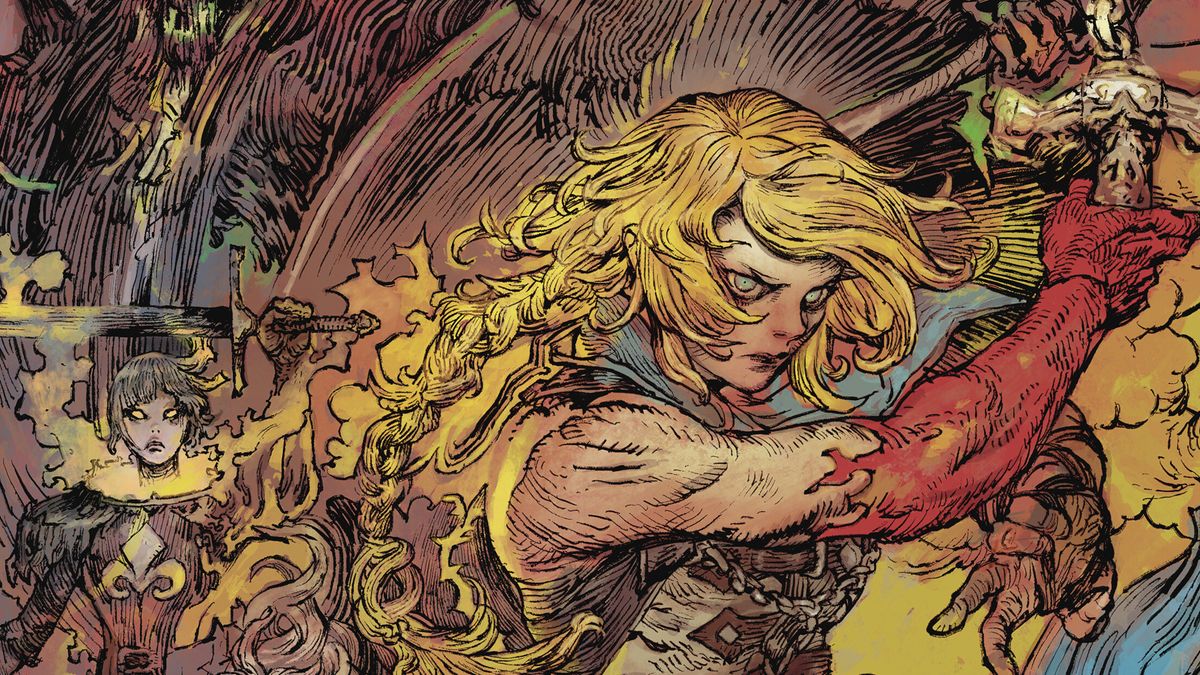
Castlevania is making a welcome return with Belmont’s Curse, but Nintendo players have a platform question to go with the good news. The game is available for the original Switch, while no dedicated Switch 2 version is included. That leaves fans who have moved to Nintendo’s newer system waiting to see whether they will get a version designed specifically for it.
Retro Context
Castlevania has a long connection with Nintendo hardware: early entries arrived on the NES and SNES, helping make the series familiar to generations of Nintendo players. Belmont’s Curse draws on another important part of its history, too. Its side-scrolling action adventure sends players through areas filled with ghouls and ghosts on the way to a confrontation with Dracula. Its look and feel have been compared with Symphony of the Night, a landmark example of the style associated with the Metroidvania label.
That history makes the platform choice stand out. The series’ return has a natural audience among Nintendo players, but the current release plans focus on the older Switch. For longtime fans, the familiar 2.5D presentation may feel like a comfortable fit for the franchise. It also raises a practical question: will the game remain tied to the original system, or will a version for the newer hardware follow?
Why It Matters
Kit Ellis, a former senior PR manager at Nintendo of America, has publicly questioned the decision. His reaction reflects a straightforward concern for Switch 2 owners: they can be excited that Castlevania is back and still wonder why the newer console has no dedicated edition. The issue is especially visible because the Switch 2 had already been out for more than a year at the time of the discussion, giving Konami time to consider how the game might run on it.
There is at least one encouraging detail from the demo. Ellis said the game runs at 60 frames per second on Switch 2, though its resolution does not look as sharp as he would like. He described the image as somewhat chunky when viewed on the newer system, while still treating that performance as better than having no way to play there at all. That is useful context for players weighing what the current build offers: smooth motion, but a picture that may look rough on the larger or newer display.
The game’s relatively simple 2.5D visuals could be one reason an upgrade seems plausible to some observers, but the source material does not explain Konami’s decision. It is possible the company judged the original Switch version sufficient; that remains a guess rather than a confirmed reason. Likewise, good demo performance on Switch 2 does not by itself establish that a dedicated release is ready or planned. For now, players have a performance observation, not an announcement about future support.
The Return Has Promise
Belmont’s Curse is being presented as a return to a familiar kind of Castlevania adventure: a journey through supernatural enemies, with Dracula as the target. That gives fans a clear sense of what the game is aiming for without needing to know every detail of its platform plans. The producer has also described the project as coming from a sense of urgency, alongside the concern that waiting another decade for a new game could drain the point from bringing the series back. That comment underlines why the return itself matters to followers of a franchise that has been away from the spotlight.
Ellis’s doubts are about how fully the release reaches Nintendo’s current audience, rather than whether Castlevania belongs on a Nintendo system. Given the series’ early NES and SNES history, the missing Switch 2 edition can feel like an incomplete handoff between generations. Still, the available details leave room for a positive first impression: the familiar action-adventure approach is back, and the demo reportedly maintains a high frame rate on the newer console.
Z-retro View
Belmont’s Curse appears to have the ingredients for a return that longtime fans can recognize, and its original Switch release keeps that history close to Nintendo’s older hardware. The lack of a dedicated Switch 2 version is a fair reason for newer-console owners to pause, especially when the demo has reportedly run at 60 frames per second there. But without a stated explanation from Konami, it is hard to know whether the current setup reflects a technical limit, a business choice, or simply the scope of this release.
For now, the practical choice depends on the player. Fans with an original Switch have a clear route to the game; Switch 2 owners can judge whether the demo’s performance and softer image are acceptable while waiting for firmer platform news. The most useful takeaway is both simple and familiar to retro readers: a series can return in a recognizably classic form, while questions about how it reaches each generation remain part of the story.