Retro Context
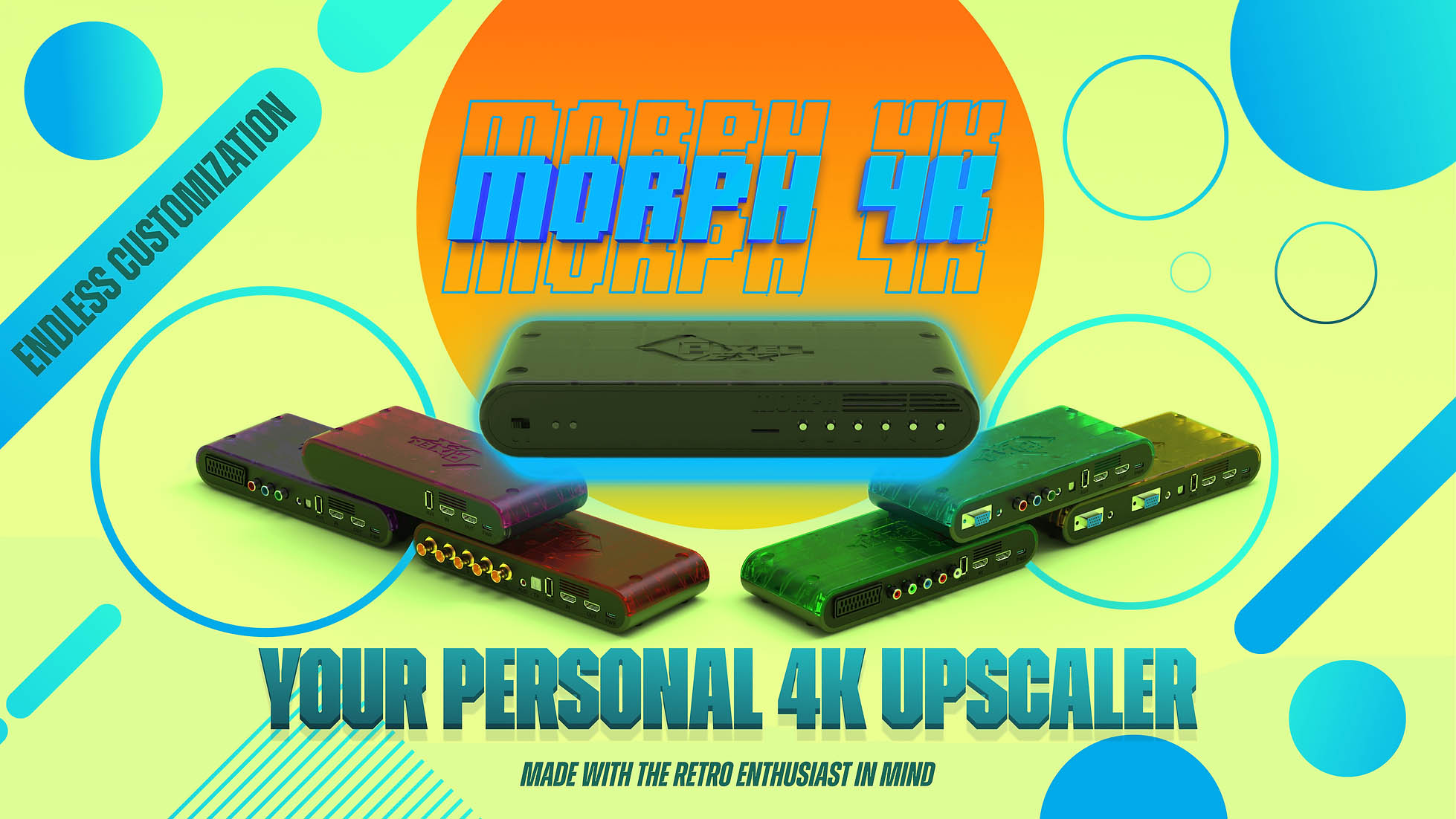
For many classic consoles, a CRT was part of the picture: the screen’s handling of a signal helped shape how games appeared. The Morph 4K is a video processor, and PixelFX says its upcoming v4 firmware has been rebuilt to process incoming signals in ways that more closely resemble CRT behavior. That makes this update relevant to players who want to explore the character of older video on modern setups, as well as to anyone interested in how those signals are formed.
A Broad Firmware Overhaul
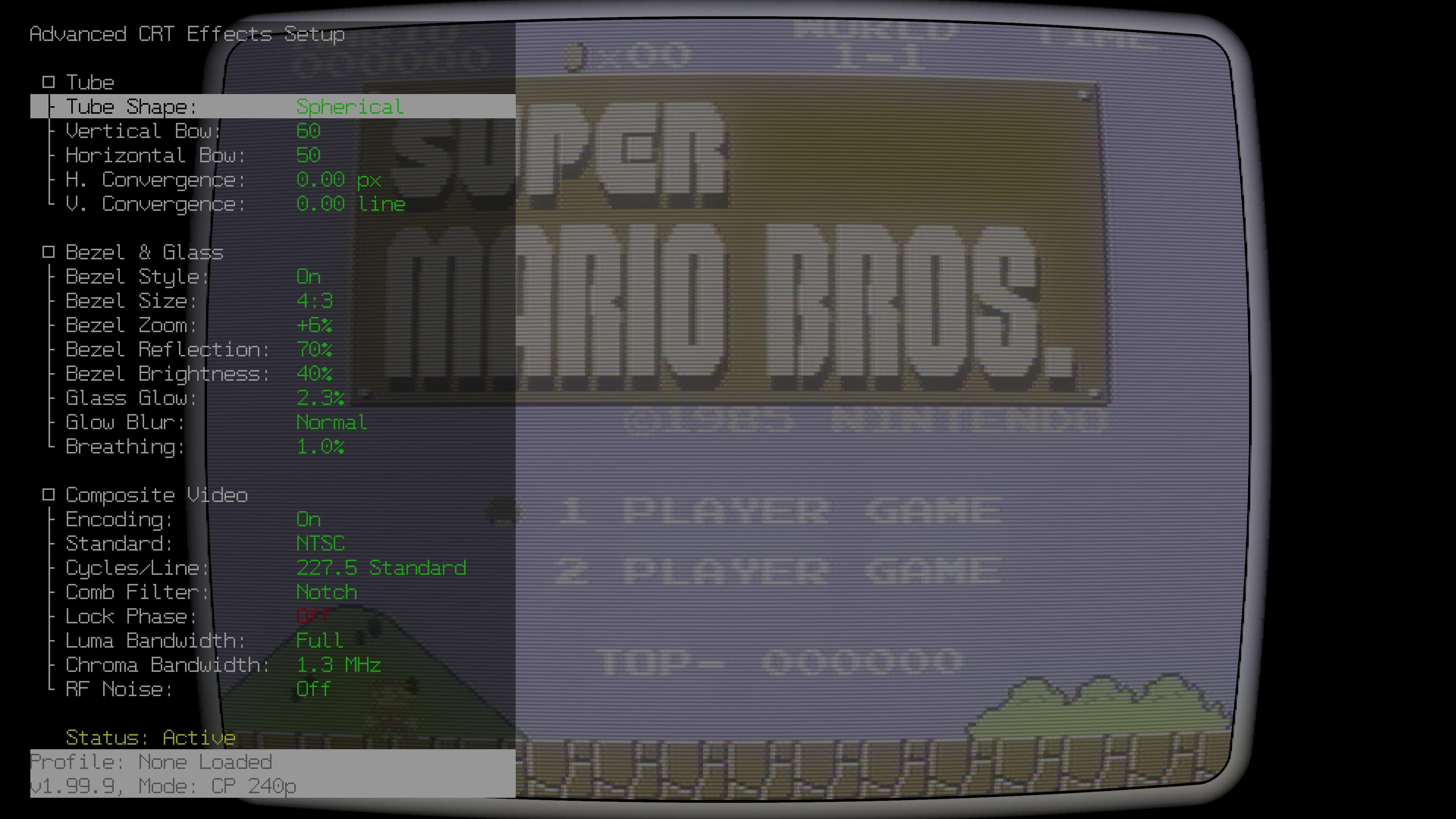
PixelFX has released a beta of the Morph 4K’s planned v4 firmware. The company describes a substantial software rewrite, with changes across the signal processing rather than a small collection of new settings. The stated aim is more accurate CRT emulation at several levels. There is a lot to unpack, so this is a guide to the main features rather than a full technical tour; PixelFX’s blog post has the deeper explanation and visual examples.
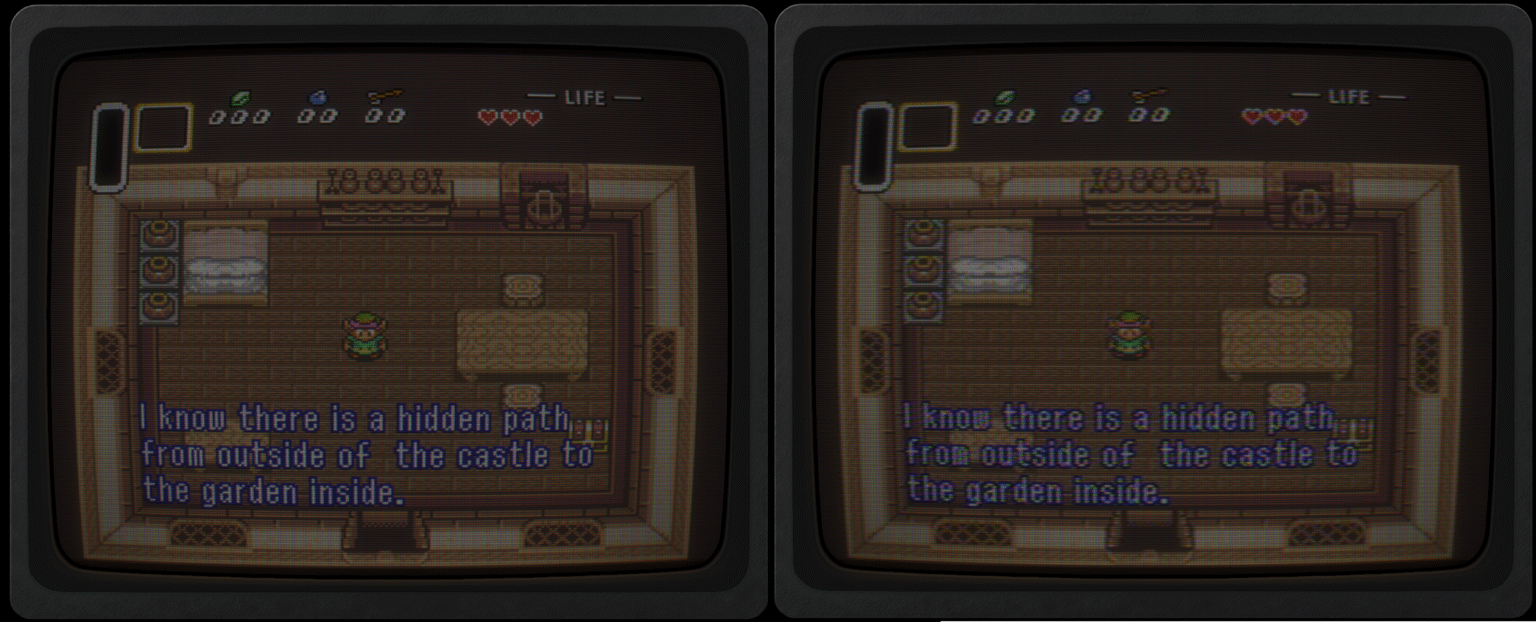
One example shows how the new processing can build on a CRT profile. In a comparison shared by Wobbling Pixels, the left image uses RGB input with a consumer CRT profile they created, while the right adds composite video simulation to the same image. The captures are SDR. PixelFX notes that this means the comparison does not show how the settings behave with HDR output, so it should be read as an illustration of the processing rather than a complete picture of every setup.
More Tools for Different Games
The update also includes a fully revamped deinterlacer, along with a smoother that the source describes as looking very good. A new Super-xBR mode may help clean up early 3D graphics. These features address different kinds of material, which is useful context when comparing results: a setting that helps one game or signal may not be the best fit for another.
For players with TATE games, the firmware adds the option to rotate the signal. It also introduces an IVTC film mode intended for material using 3:2 pulldown. The source does not give further detail on the mode’s behavior, so players interested in its limits or setup will want to consult PixelFX’s full write-up.
Why It Matters
The beta gives Morph 4K owners a chance to try a broader set of CRT-inspired processing options, including tools for interlaced video, early 3D visuals, and vertically oriented games. That variety could make the processor more flexible across a retro library, but the features are still part of beta firmware. The SDR comparison also has a clear limit: it cannot tell HDR users exactly what to expect from their own display and settings.
To try the beta, connect the Morph 4K to Wi-Fi, then open System > Firmware > Update Channel and change the channel to Preview. The update is optional for readers who would rather wait; anyone choosing to try it should keep in mind that this is a preview of upcoming software. PixelFX’s article, “Morph 4K Firmware V4: Simulating the Physics of Retro Video,” covers the changes in greater depth.
Z-retro View
This looks like a meaningful direction for the Morph 4K: the update treats the video signal as part of the retro experience and offers several ways to work with it. The most useful next step is seeing how these tools perform across different games and setups. For now, the beta’s feature list is promising, while the SDR example and limited details on individual modes are good reasons to read the full explanation before drawing firm conclusions.