Retro Context
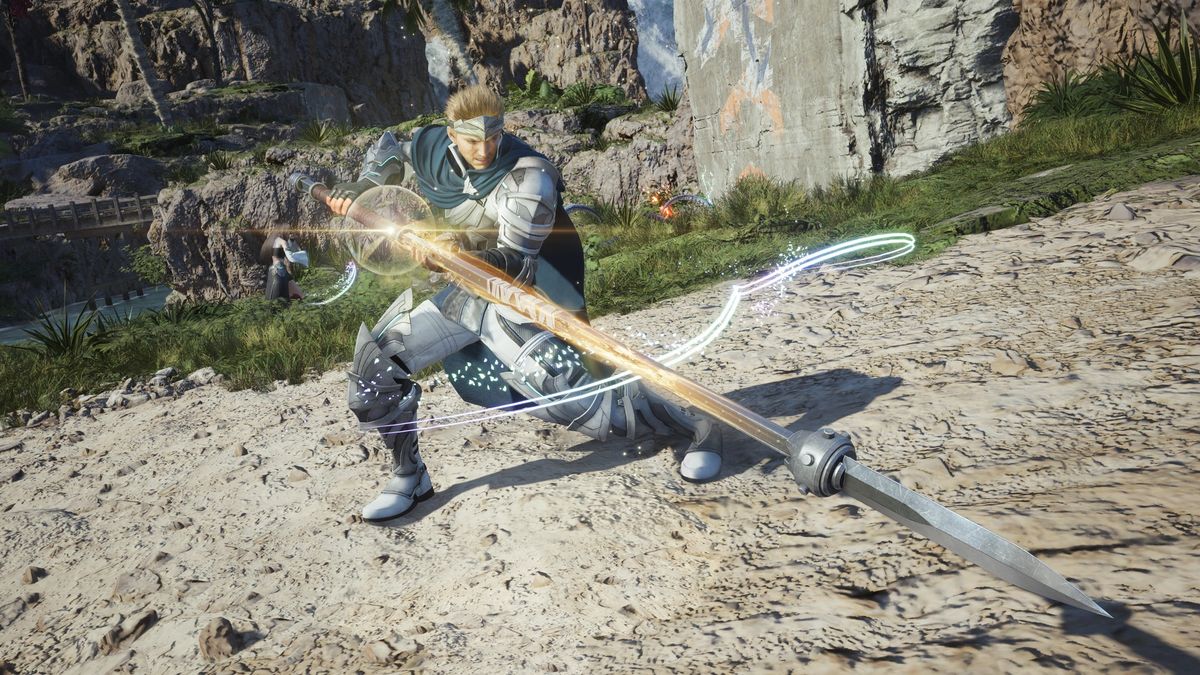
As the Final Fantasy 7 remake trilogy approaches its final chapter, Square Enix is preparing a major change for the third act: FITS, a new system built around jobs. The idea will feel familiar to players who remember Final Fantasy 5, Final Fantasy 12, or Final Fantasy Tactics, where jobs help shape how a character plays. In Revelation, FITS is intended to let players tailor their characters, bringing that long-running series tradition into this version of Final Fantasy 7.
At a PAX West 2026 panel, director Naoki Hamaguchi explained that the team’s original plan was to unlock FITS jobs for each character as players reached particular milestones. That approach would have made job access arrive gradually through the game. Hamaguchi instead personally pushed for every party member to have access to all the FITS jobs from the start. It is a meaningful change to the system’s rhythm: players can consider their party’s jobs as part of their choices from the opening stretch, rather than waiting for specific progress points.
Why It Matters
Starting with the full set of jobs gives players room to experiment across the party early. A job system can be appealing because it lets people shape characters around their own preferences, and that freedom would have been narrower under the original milestone plan. Hamaguchi’s decision means players can explore the available FITS options without first reaching a designated unlock. The source does not describe the jobs’ individual abilities or how they affect combat, so the practical differences between choices remain an open question.
FITS also brings a visual choice along with its gameplay customisation: each character gets unique costumes for every job. That sets up a familiar RPG dilemma, where the outfit that looks best may not be the one that suits a player’s preferred setup. Revelation will also have a skin system separate from FITS. Hamaguchi gave Tifa’s classic outfit as an example of a look players can choose instead of the loose-sleeved design seen in gameplay footage. The two systems therefore offer distinct kinds of choice: jobs have associated costumes, while skins let players select a character’s appearance separately.
The distinction matters for anyone who likes building a character one way but prefers another look. Having a skin system alongside job costumes suggests players will not have to treat appearance as a direct reflection of their FITS selection. The available details establish that Tifa’s classic outfit can be used, but they do not explain the full range of skins or how players will access them. It is best to treat the announcement as confirmation of separate appearance options, rather than a complete guide to every costume in the game.
Z-retro View
Giving everyone access to all FITS jobs from the outset sounds like a player-friendly adjustment, especially for a game built around tailoring characters. A milestone-based rollout could have made the system feel more gradual, but it would also have delayed some choices. Hamaguchi’s preference puts experimentation first. The job costumes add a style question to that freedom, while the separate skin system offers another way to approach character appearance. How satisfying those options feel will depend on the details of the finished game, which have not been laid out here.
There is a wider ambition behind these systems, too. Square Enix wants Final Fantasy 7 to have an “ever-evolving future” beyond the remake trilogy. That statement points to an interest in keeping the property active after this series of games, though it does not spell out what future projects will be. For now, FITS is a concrete example of the team revisiting a classic Final Fantasy structure while making room for players to shape both their party and its look.