Refining the Premium Experience
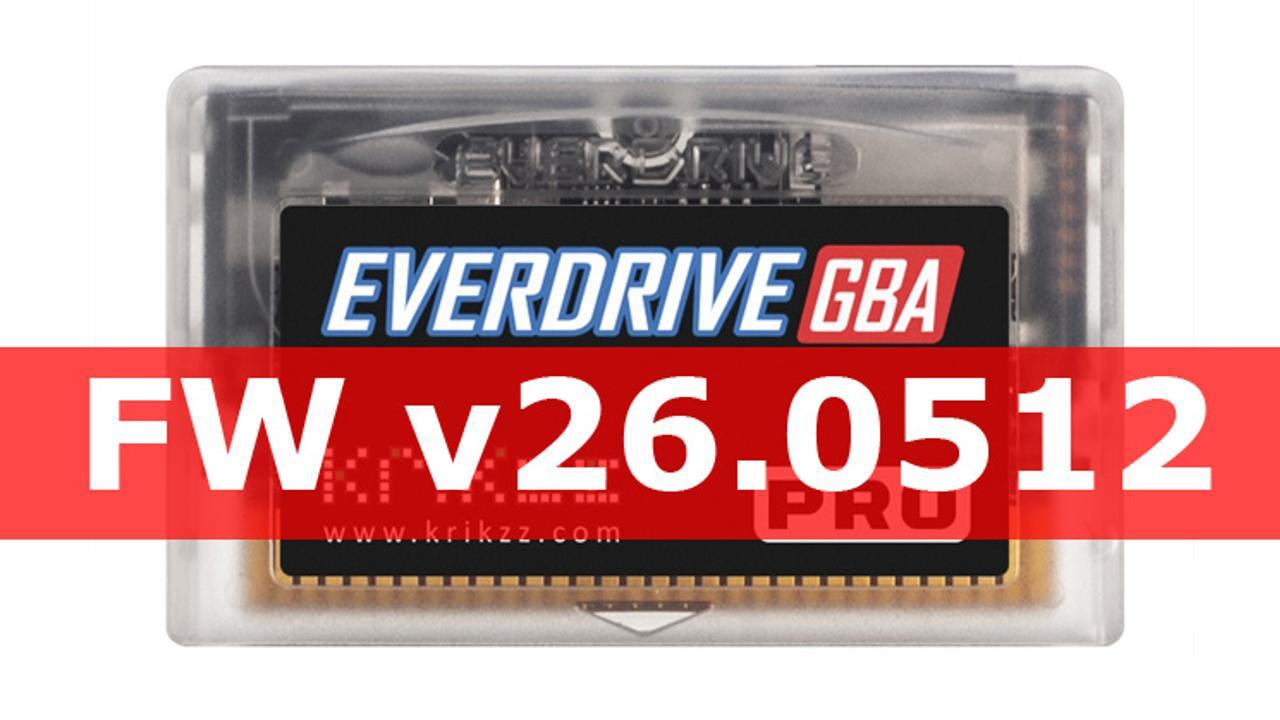
The hardware developer Krikzz has recently released a series of firmware updates for the Everdrive GBA Pro, the latest premium flash cartridge designed for the Game Boy Advance. As with many sophisticated hardware releases in the retro gaming community, the initial launch period is often followed by software patches designed to smooth out the user experience. These recent firmware revisions are primarily focused on improving overall system stability, ensuring that the cartridge operates reliably when interfacing with the aging hardware of the original Game Boy Advance console. For early adopters who have already purchased the device, taking the time to apply these updates is a highly recommended step to maintain optimal performance during gameplay.
Retro Context
The Game Boy Advance boasts one of the most celebrated libraries in handheld gaming history, and finding ways to play those classic titles on original, un-emulated hardware remains a major priority for retro enthusiasts. Over the years, flash cartridges have evolved significantly from basic storage devices into highly complex pieces of engineering. Early flash carts were often limited to simply booting standard game files, but the modern retro community demands a much higher level of accuracy and feature integration. The Everdrive GBA Pro sits at the very top of this premium hardware tier, designed not just to load standard games, but to replicate the specific, unique hardware quirks that a handful of legendary Game Boy Advance titles relied upon.
One of the defining characteristics of this Pro model is the inclusion of specialized components like a Real-Time Clock, alongside built-in light, tilt, and gyro sensors. During the original commercial lifespan of the Game Boy Advance, certain games were manufactured with unique hardware sensors built directly into their plastic cartridge shells. A Real-Time Clock was essential for triggering time-based events in massive role-playing games, simulating day and night cycles even when the console was turned off. Meanwhile, tilt and gyro sensors allowed players to physically rotate their consoles to control the on-screen action, and light sensors forced players to seek out actual sunlight to charge their in-game weapons. By building these sensors directly into the Everdrive GBA Pro, players can experience these highly specific mechanics authentically without having to track down increasingly rare and expensive original game cartridges.
The Challenge of Save States
Beyond the physical sensor replication, the Everdrive GBA Pro also introduces save states to the original Game Boy Advance hardware environment. Save states have long been a standard, expected feature in software emulation on computers, allowing players to freeze their exact point in a game and return to it instantly, bypassing traditional save points or tedious password systems. However, bringing this feature to original legacy hardware via a flash cartridge is a notoriously difficult engineering challenge, as it requires interrupting and capturing the console's memory state on the fly. Because of this inherent complexity, features like hardware-level save states are often the primary beneficiaries of early stability updates. Ensuring that a saved state does not inadvertently corrupt game data or crash the console requires meticulous fine-tuning through routine firmware patches.
Why It Matters
For retro gamers who have invested in the Everdrive GBA Pro, keeping the cartridge's firmware fully up to date is crucial for getting the absolute most value out of the premium hardware. The main draw of the Pro model is its advanced, enthusiast-grade feature set, and these stability patches are specifically designed to make sure those complex additions work seamlessly during extended play sessions. Applying the patches ensures that the hardware performs exactly to the specifications advertised at launch.
The practical reality of purchasing high-end, niche enthusiast hardware is that early adopters will almost always encounter minor bugs or edge-case compatibility quirks that could not be completely ironed out before mass production. By actively downloading and applying the latest firmware from the creator's official support channels, players can ensure their hardware continues to function reliably, safeguarding their save data while utilizing the demanding features like the integrated gyro and light sensors.
Z-retro View
The rapid rollout of stability updates following a major hardware launch is a standard and expected part of the modern retro gaming landscape. When an independent creator attempts to pack multiple complex features—such as integrated sensor arrays and on-the-fly save states—into a legacy handheld architecture, early software revisions are practically a necessity. A steady stream of firmware patches indicates active, healthy support for a premium product. While some players might understandably prefer a completely flawless experience directly out of the box, the reality of specialized flash cartridge development means that diligent post-launch maintenance is often the most reliable path toward long-term hardware preservation and accurate emulation.