Retro Context
The intersection of physical media and retro video game music has seen an incredible surge in recent years, with vinyl records becoming the preferred format for many dedicated collectors. While soundtracks from massive home console blockbusters frequently receive lavish physical treatments, the audio from handheld systems like the Nintendo Game Boy Advance often occupies a more specialized corner of the market. The Game Boy Advance featured a very distinct audio architecture, combining legacy sound channels with software-mixed sample playback. This resulted in a heavily compressed, sometimes crunchy audio profile that is instantly recognizable to anyone who spent their childhood squinting at an unlit handheld screen. Translating this specific era of portable audio to an analog vinyl record presents an interesting juxtaposition, taking the highly compressed digital samples of the early two-thousands and pressing them into the warm, continuous grooves of a large physical disc. For many enthusiasts, this contrast is exactly what makes these releases so appealing, offering a tactile and visual way to celebrate the music that scored their on-the-go gaming memories.
Furthermore, the preservation of handheld game soundtracks on vinyl helps to elevate the work of composers who often operated under severe technical limitations. Writing music for portable consoles meant dealing with strict memory constraints and optimizing audio to sound decent through a tiny, single speaker. When these tracks are separated from the game and presented as a standalone listening experience, fans can often appreciate the intricate melodies and clever arrangements that might have been overshadowed by the sound effects of gameplay. The modern trend of releasing these niche soundtracks allows a new appreciation for the artistry involved in early handheld game development, ensuring that the musical efforts of these teams are not forgotten as the original hardware becomes older and harder to maintain.
The Blender Bros. Vinyl Release
In a move that highlights this dedication to obscure handheld audio, Piko Interactive has introduced a vinyl release for the soundtrack of Blender Bros. This record brings together the musical compositions of Akihiro Juichiya, Takako Ochiai, Masaya Hashimoto, and Ushio Otsuki, offering their work on a large physical canvas. It is worth noting that the publisher has explicitly chosen to use the original audio from the Game Boy Advance version of the game for this pressing, rather than sourcing the music from the later re-release that appeared on Windows platforms. This decision ensures that the record provides an authentic reproduction of the original handheld experience, complete with the stylistic audio quirks inherent to the portable console.
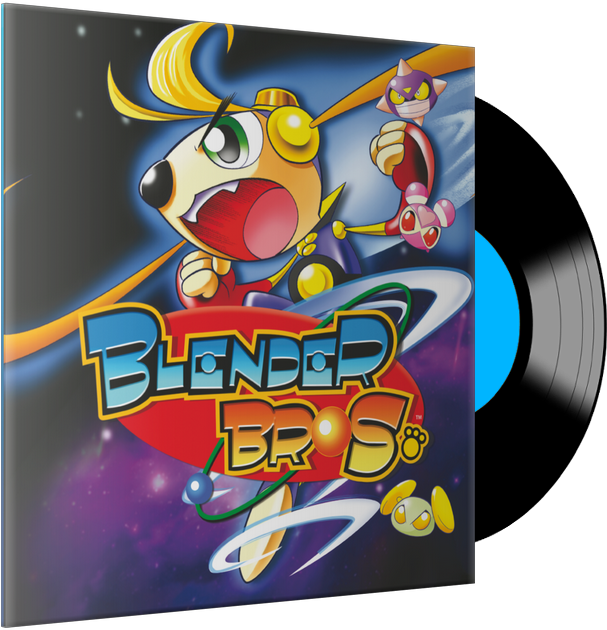
Regarding the physical product itself, the release is described as coming on a single vinyl record. Interestingly, while promotional mockup images have depicted a standard black vinyl disc, the actual release is stated to be pressed on an undisclosed colored vinyl. This adds a slight element of surprise for buyers, as the final appearance of the record remains a mystery until it arrives. It is a detail that collectors of colored variants might find either intriguing or mildly frustrating, depending on their preference for knowing exactly what version they are adding to their shelves before they place an order.
Availability and Regional Pricing
The global distribution of this soundtrack involves several different storefronts and regional variations in pricing and availability. Directly from Piko Interactive, the record is priced at approximately fifty dollars. Because their main shipping hub is located in Andorra, international buyers need to be particularly mindful of their local import regulations. The publisher has advised customers to check their frequently asked questions page regarding the collection of Value Added Tax, as these extra fees can significantly alter the final cost of the record for buyers in Europe and other regions. Meanwhile, customers in the United States have an alternative option, as Stone Age Gamer is slated to stock the release domestically for forty dollars, which may help offset some shipping and import concerns.
The situation is slightly different for retro gaming fans located in Canada. Rather than immediate availability, the Canadian release is being handled as a pre-order campaign through the retailer Video Games Plus. The price is set at roughly fifty-two Canadian dollars, and the expected fulfillment for these orders is currently scheduled for the fourth quarter of the year twenty twenty-six. This staggered regional rollout means that Canadian collectors will have to practice a bit more patience compared to buyers in other territories, but having a dedicated local distribution partner often helps avoid the steep international shipping rates and surprise customs duties that can plague cross-border vinyl purchases.
Why It Matters
This type of release holds significant value for the deeply invested retro game music collector, particularly those who focus on the portable console generations. By bringing obscure titles to a premium format, publishers ensure that the history of video game music is preserved in a tangible, lasting way. The practical audience here is quite specific: it caters to fans who appreciate the raw, distinct sound of early handheld hardware and want to experience it on a traditional turntable setup. However, the caveat for potential buyers lies in the fragmented distribution and potential for hidden costs. Depending on where a buyer lives, the combination of international shipping from places like Andorra and the addition of import taxes can make this a pricey endeavor. Navigating the various storefronts and regional options is essential to securing the best deal.
Z-retro View
From our perspective, seeing a lesser-known Game Boy Advance soundtrack receive a dedicated vinyl pressing is a positive sign for the health and diversity of the retro gaming community. It demonstrates that there is enough passion and demand to support physical media for games outside the typical blockbuster canon. While a fifty-dollar colored record of a niche handheld title is certainly not an essential purchase for the average retro gamer, it remains a fantastic option for dedicated soundtrack enthusiasts. It highlights the incredible effort modern distributors are putting into preserving the full spectrum of gaming history, ensuring that even the most specialized audio experiences can be celebrated by those who care deeply about them.