The retro label keeps moving forward. GameCenter CX, the long-running Japanese TV series where comedian Shinya Arino takes on older games, recently asked its viewers whether Wii and PlayStation 3 games belong in the program. In an August YouTube stream, 71% said yes. After Arino played a selection of games from the two consoles, the show asked again. This time, the share in favor had risen to 80.
Retro Context
GameCenter CX began in 2003 and has since reached more than 400 episodes. Its best-known territory is the 1980s and 1990s, with games from the 2000s appearing much less often. The show has generally treated games at least 20 years old as retro, but that boundary has never been a perfectly consistent rule. Some early episodes featured games that had not yet reached that age, which suggests the program’s idea of “retro” has always had room for judgment.
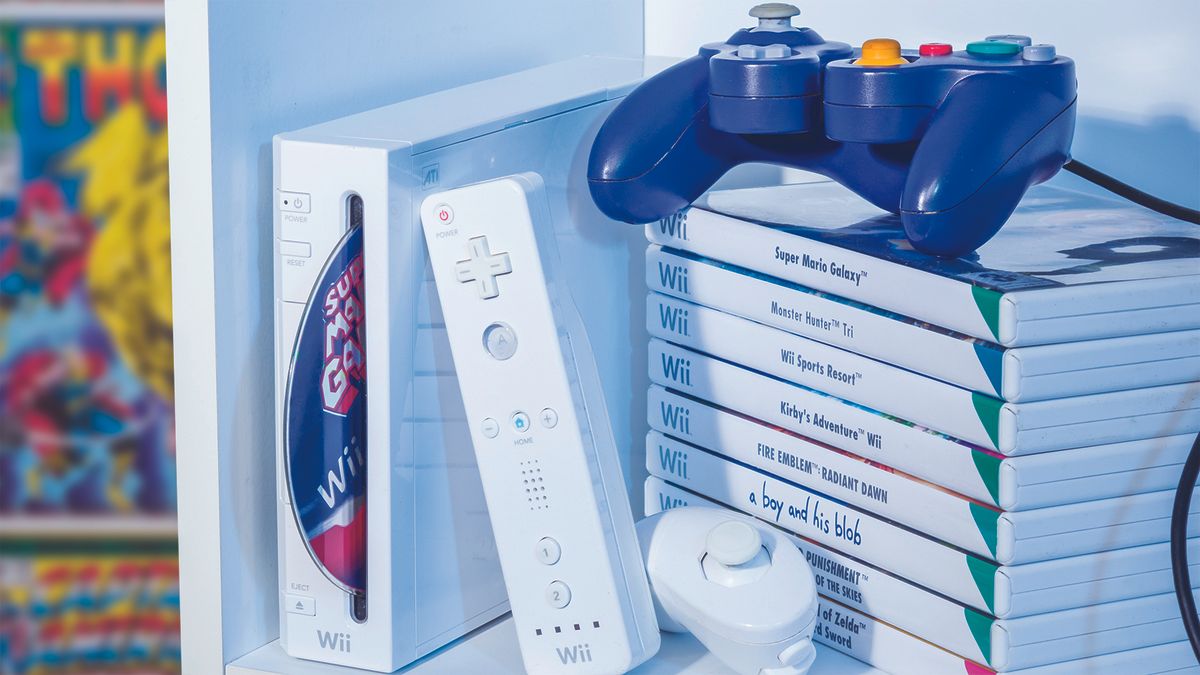
That history helps explain why Wii and PS3 bring the question into focus. The show is considering games from a period that is now around two decades in the past, while its usual catalogue reaches further back. The poll also followed a small change in perspective: viewers first gave their opinion, then saw Arino spend time with games from these consoles before voting again. The increase from 71% to 80% suggests that, for this audience, playing the games may have helped make the case for including them.
Why It Matters
For players, the result is a reminder that “retro” can describe more than one kind of experience. Age is an easy place to start: when a console generation approaches the 20-year mark, its games begin to look and feel like part of an earlier chapter. But the Wii and PS3 era also sits close to many features players still recognize, including online play, downloadable content, microtransactions and patches delivered through downloads. Those features can make the games feel connected to the present even as the hardware gets older.
That combination explains why the dividing line is personal. Some players see the arrival of regular online services and updates as a break from older console gaming. Others may give more weight to time passed, the games themselves, or the memories attached to a system. The poll offers a useful snapshot of GameCenter CX viewers’ views, rather than a measure of every player’s opinion. Its change after the gameplay segment is interesting, but it does not settle the definition for everyone.
There is a neat historical loop here, too. Wii’s Virtual Console helped bring older games into the living room as part of the gaming hobby in the 2000s. When the service launched in 2006 with Super Mario 64, that game was only about ten years old. Now the Wii itself is being discussed as retro. A console that helped people revisit the past has, in turn, become part of the past that new retrospectives revisit.
Z-retro View
The 80% result feels like a reasonable invitation to widen the retro conversation, not a final rule. GameCenter CX has spent years making older games approachable through Arino’s attempts to beat them, and a new console generation can become part of that format as time passes. At the same time, the online features associated with Wii and PS3 make this era distinct from the decades the show has focused on most. Calling these systems retro can make sense while still recognizing that they mark a different chapter in game history.
For a retro audience, the most useful part may be the changing vote itself. The first result already showed strong support; the second moved higher after viewers saw the games in action. Whether each player draws the line at 20 years, at a shift in technology, or somewhere else, the discussion keeps older games in view and gives a familiar show a fresh generation of challenges.