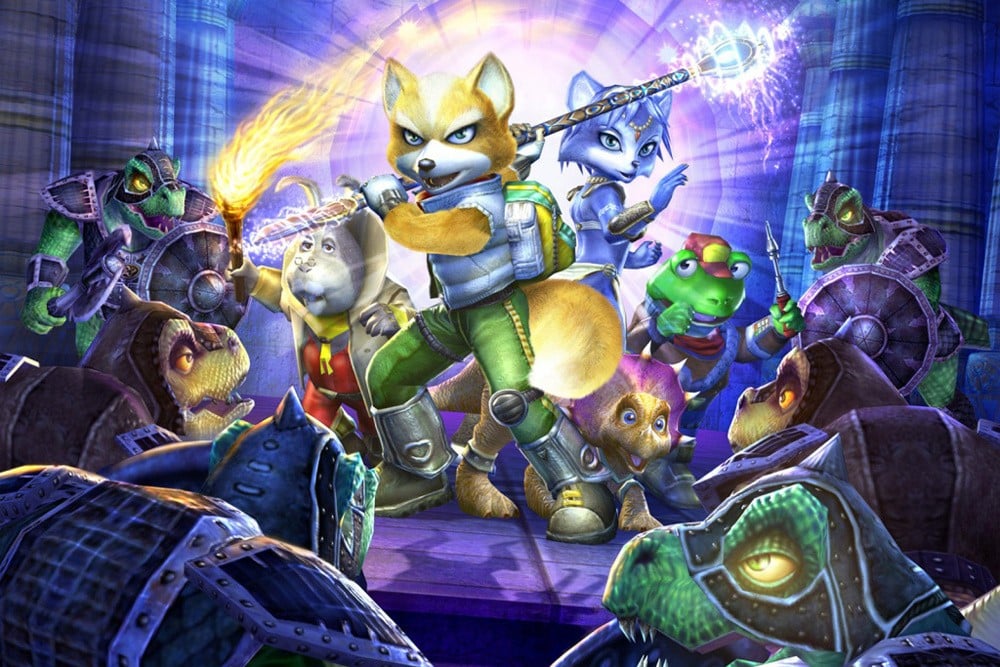
Star Fox Adventures sits in a strange little corner of Nintendo history. It arrived on GameCube in 2002, carrying the Star Fox name but playing far more like a character-led action adventure than the fast space-shooting games fans already knew. At launch, the reaction was not cold. Reviews were mostly positive, and in Japan the game sold 200,000 copies, making it one of the system's early successes in its home region. Time, though, has treated it less kindly. Many Nintendo fans now file it away as a curious late-Rare project rather than an essential one, and a lot of that feeling comes from how different it was from the series people expected.
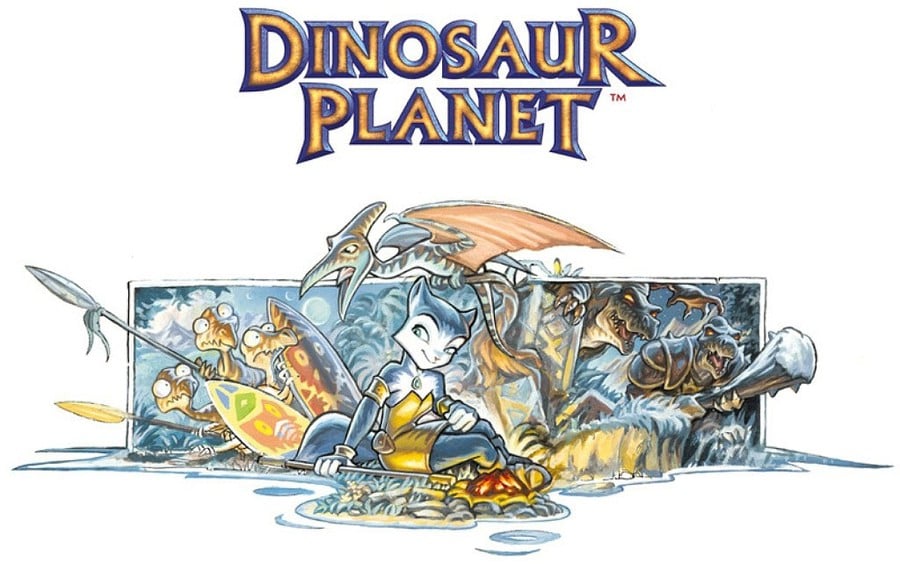
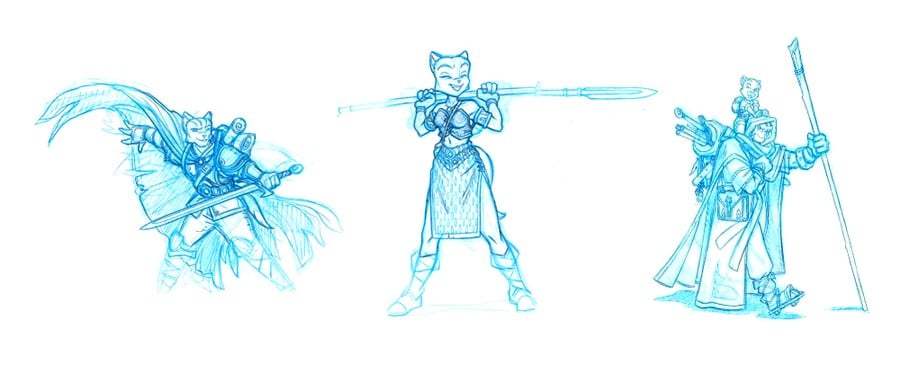
The story becomes more interesting when you remember that Star Fox Adventures did not begin life as a Star Fox game at all. It started as Dinosaur Planet, a Nintendo 64 project from Rare with its own cast, world, and identity. The finished GameCube release still carries that origin in its bones. Its forests, temples, creatures, staff-based combat, and steady stream of collectable items feel like they came from a fantasy adventure first and a space pilot's mission second. That tension is part of why the game is still discussed today: it is both a Star Fox title and not quite a Star Fox title, a polished GameCube showcase and a visible record of a major mid-development turn.
From Diddy Kong Racing To Dinosaur Planet
Programmer Phil Tossell joined Rare in 1997, straight after finishing university. His first work at the studio came near the end of Diddy Kong Racing, where he joined the programming team as that project was winding down. Rare at that moment was in a remarkable stretch. GoldenEye 007 was also being finished, and one of Tossell's early memories was sitting in the company canteen beside Mark Edmonds, one of GoldenEye's programmers, and talking about how exciting that game looked. For a new developer, it was an unusual doorway into the industry: a studio full of major Nintendo projects, technical ambition, and teams that were moving quickly from one idea to the next.
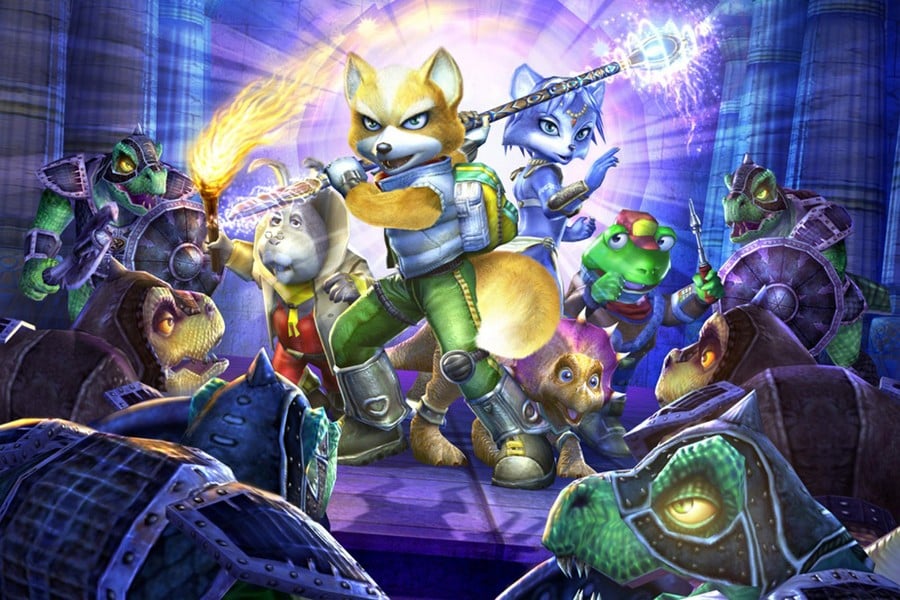
Once Diddy Kong Racing was complete, Tossell moved almost immediately onto Dinosaur Planet. The Diddy Kong Racing programming team split in two. Some staff, including Paul Mountain, who had mentored Tossell during his first six months at Rare, went on to help lead the programming work on Jet Force Gemini. The remaining members began building Dinosaur Planet. That meant Tossell's second project at Rare was not a small side job or a careful training exercise. It was a large adventure game with a new world to stream, new systems to build, and a team that would eventually have to carry the project across hardware generations and through a major identity change.
Dinosaur Planet became known to fans partly because of what it almost was. The original version had its own story and characters, and the team grew attached to that shape of the game. Then came the well-known turn in the road: Shigeru Miyamoto saw footage of Dinosaur Planet and suggested that Fox McCloud and the Star Fox universe could be worked into it. Over the years, that moment has become a kind of legend around the game. There have also been rumours that the change was not welcomed by everyone on the team, since parts of the plot had to be adjusted to fit Star Fox history and expectations.
Tossell's own memory of that period is careful rather than dramatic. He was not involved in the high-level conversations that shaped the deal, so he could not speak for the whole decision-making process. What he did remember was the feeling inside the team. The developers were a little disappointed because Dinosaur Planet had become something personal to them, and changing it meant letting go of part of that original idea. At the same time, they could see why the Star Fox license might help. Fox McCloud was already a known Nintendo character, and attaching him to the project gave Rare a stronger connection to a familiar series, even if it also created new design problems.
Working With Nintendo
For Tossell, the relationship with Nintendo was one of the most positive parts of the whole project. He described it as unusually trusting and respectful compared with the rest of his time in the games industry. The company did not simply push Rare around. One reason, as he understood it, was Rare's position at the time: Nintendo owned 49 percent of the studio, while Rare remained technically independent. That meant founders Tim and Chris Stamper were not forced to make choices they did not want to make. The setup gave Rare room to work, while still letting Nintendo guide and support a game carrying one of its established names.
That trust mattered because Star Fox Adventures was not a simple conversion job. It had to become a GameCube title, absorb Star Fox elements, and still make sense as a large adventure world. Nintendo could easily have treated the project with heavy suspicion, especially because it was moving a famous space-combat series into a very different format. Instead, Tossell felt the company believed Rare could make something strong. That view gives the finished game a softer light in hindsight. Even if the end result remains divisive, it was made in an atmosphere where the team was allowed to stretch, learn, and solve hard problems rather than simply follow a rigid template.
The Zelda Shadow
When Star Fox Adventures finally reached players, comparisons with The Legend of Zelda: Ocarina of Time came quickly. The link is easy to understand. Star Fox Adventures features exploration, puzzle solving, dungeons, staff combat, item use, and a structure that often feels close to Nintendo's landmark Nintendo 64 adventure. Tossell acknowledged that Ocarina of Time influenced the game, but he placed that influence later in development rather than at the beginning. When Dinosaur Planet first started, Ocarina of Time had not yet been released, so the project had a slightly different feel. After Zelda arrived, Rare's designers were impressed by it, and its ideas helped steer the adventure side of the game.
That influence was not automatically a bad thing. Ocarina of Time had changed expectations for 3D adventure design, and many studios were trying to learn from it. In Star Fox Adventures, the Zelda-like structure gave players a clear rhythm: explore an area, solve environmental puzzles, fight enemies, collect important items, and push into the next part of the world. For a GameCube audience still early in the system's life, that made the game feel broad and polished. But the comparison also created a problem. If a game invites players to think of Zelda, it also invites them to measure it against one of Nintendo's best-loved works, and that is a very high bar for any project, especially one that had already changed identity midstream.
Tossell was also honest about one of the game's bigger design habits: collecting. Star Fox Adventures asks players to gather plenty of things, and he felt the game depended on that idea too much. He connected this to a wider Rare pattern from the period, when several of the studio's games leaned heavily on collectable objects as a way to structure progress and reward exploration. Not everyone enjoyed that design style, and Tossell counted himself among those who were not especially fond of it. This is one of the clearer reasons the game can feel slow or padded to some players today, even while others still enjoy its relaxed, treasure-hunting pace.
A Streaming World On Small Memory
Behind the scenes, Star Fox Adventures was technically demanding. Tossell pointed to its fully streaming world as one of the team's major challenges. On a console with a relatively small amount of memory, the game tried to create the feeling of a connected place without obvious loading breaks. That goal was ambitious for the time, especially when the team also wanted rich environments and high visual quality. Tossell still considered it one of the best-looking GameCube games, and it is not hard to see why. Even now, its character models, fur effects, lighting, and dense natural spaces show the kind of technical pride Rare was known for.