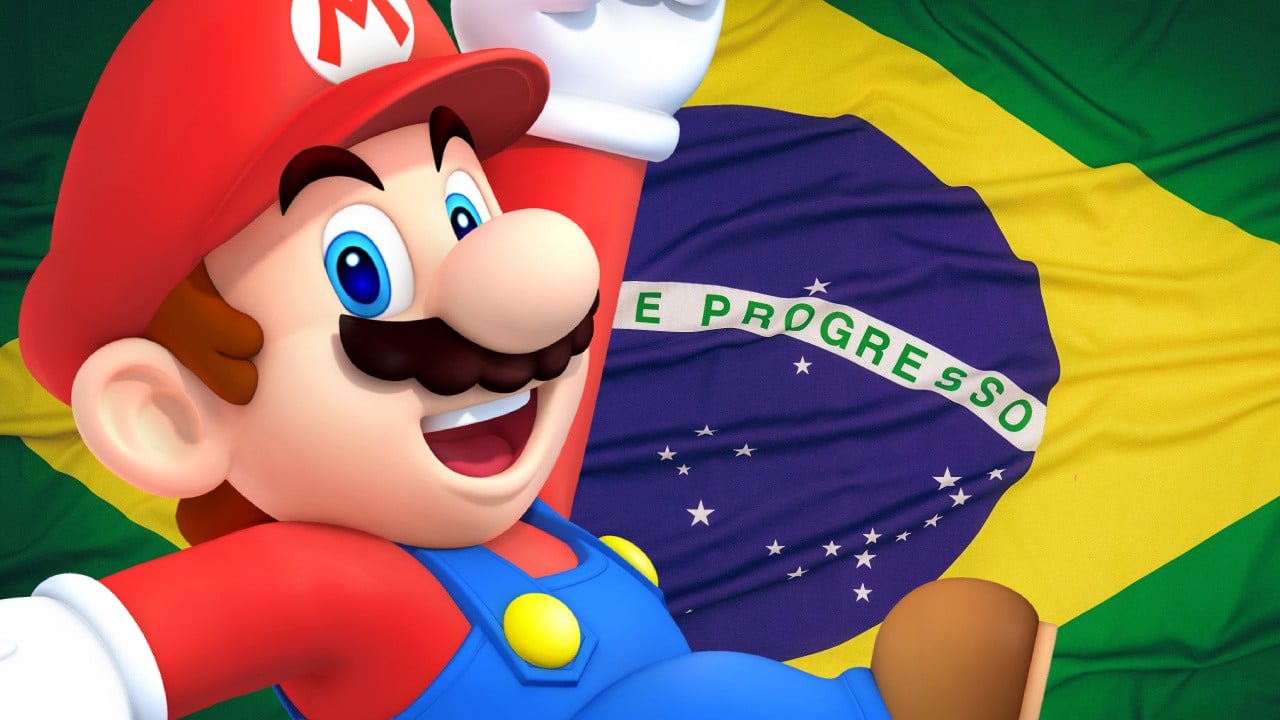
Nintendo's history in Brazil is not the kind of story that fits neatly into a timeline. It is tangled up with government rules, local electronics companies, clone machines, imported games from Paraguay, rental stores, and the choices of a licensor that did not always move in a straight line. That mix makes the subject fascinating, but it also makes it hard to research, especially for anyone looking for reliable information in English. Much of the story lives in Portuguese, in old memories, in industry circles, and in the lives of people who may not have thought they were taking part in gaming history at the time.
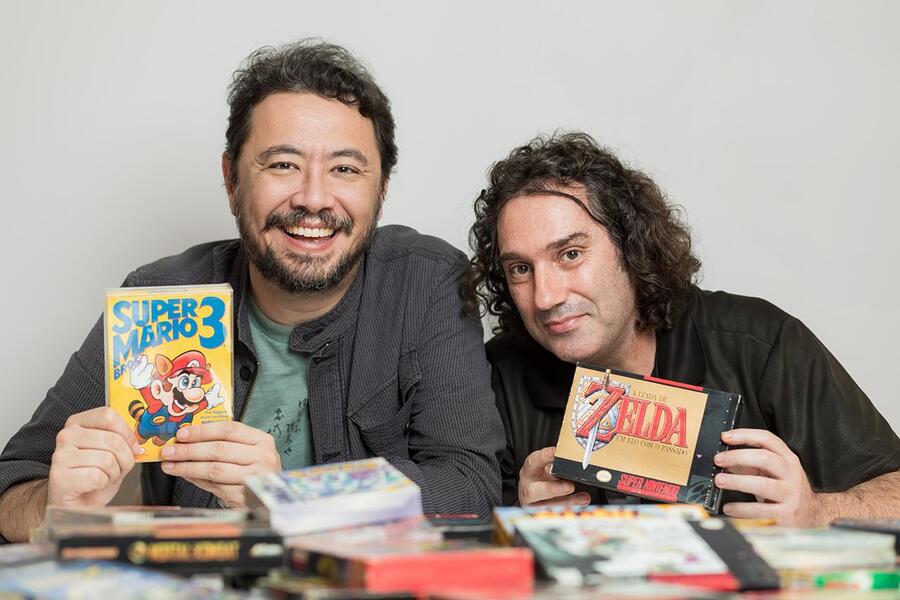
That is where Pablo Miyazawa comes in. Miyazawa once worked at Playtronic, the joint venture that brought Nintendo into Brazil in an official way during the 1990s. He later became a journalist, and for the past two years he has been working on a crowdfunded book called Nintendistas. The project grew from a simple wish: to tell the Brazilian Nintendo story with the energy and readability of Blake J. Harris's Console Wars, while also filling a gap that had been left open for years. In Brazil, Nintendo was not just another imported brand on a shelf. It arrived through a market with its own logic, its own shortcuts, and its own strange doors into the future.
Why Nintendistas Exists
Miyazawa did not start from the outside. His own Playtronic past gave him connections that most independent researchers would not have. At first, that made the book feel manageable. He knew people, he understood part of the company culture, and he had a clear subject in mind. During COVID, he began contacting former colleagues and people from the Brazilian games press, putting together an editorial team of journalists and editors who understood the weight of the topic. That team included names such as André Forastieri, and the goal was not only to gather facts, but to shape them into something readers would actually enjoy spending time with.
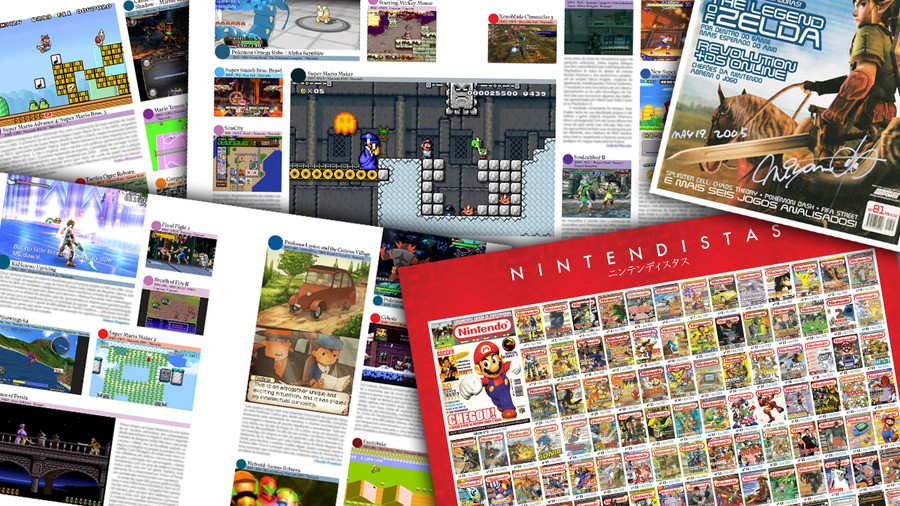
The book's plan, as described on its Catarse campaign page, is split into three large parts. The first is an oral history of Nintendo in Brazil, told by people who were there, including important figures from Gradiente and Playtronic. The second is a retrospective on Nintendo World Magazine. The third is a broader look at Nintendo history, covering major games, consoles, and accessories from each phase since the 1970s. That structure says a lot about the size of the task. This is not only a corporate story and not only a fan story. It crosses business, media, technology, and memory.
A Hard Story To Recover
The oral history section turned out to be much harder than Miyazawa first expected. Many people who worked at Playtronic did not see the job as a lifelong dream or a special place in gaming history. For them, it was simply work. They moved on, changed careers, and left that period behind. Miyazawa has explained that many employees found their way to Nintendo's Brazilian operation in 1993 and 1994 through newspaper ads that did not even clearly name the company. Someone might answer a listing asking for skill in art and graphics, arrive for an interview, and only then realize the mystery employer was connected to Nintendo. Years later, those people may not have saved records or framed the experience as something that would need to be preserved.
That is one of the quiet challenges behind gaming history. Fans often remember a console as a magic object, but the people who packaged, marketed, translated, sold, or supported it may remember deadlines, office routines, and ordinary career moves. Miyazawa had to pull first-hand information from people whose memories were not always organized around the same milestones that players care about. He also had to deal with a bigger problem: there is no clean way to explain Nintendo in Brazil without also explaining the Brazilian game market before Nintendo properly arrived. The official story only makes sense after the unofficial story has been brought into view.
Brazil Before Official Nintendo
According to Miyazawa, the first thing to understand is the role of government policy in shaping Brazil's early video game market. During the 1980s, while Japan and the United States were getting to know Nintendo, Brazil was in a different position. Players were often living with older systems, local versions, and machines shaped by the country's electronics industry. Gradiente had begun in the 1960s and later bought Polyvox, a company associated with boomboxes and other music equipment. Gradiente used the Polyvox brand for products it was less certain about, which became important when the company began watching other Brazilian firms produce Atari 2600 clones.
Gradiente chose a different path with Atari. Instead of simply making an imitation, it formed a partnership with Atari and released the Atari 2600 in Brazil in 1983. Personal computers had a similar local flavor. Miyazawa points out that Brazil did not have the ZX Spectrum in the same way the United Kingdom did. It had the TK, a Brazilian version of that idea. Older players might have known the TK and the MSX, with Gradiente also officially releasing the MSX in Brazil. So while Nintendo was becoming a defining name elsewhere, Brazil's game culture was being built through Atari, local computer lines, and a market that mixed official deals with local adaptation.
Clones, Sega, And A Divided Market
Clone consoles became a major part of that world. One of the most important was the Phantom System, which Miyazawa describes as the best-selling clone in Brazil. Its development was fast, with the whole project completed in six months, and he goes as far as saying it was a better Nintendo 8-bit machine than the original. That detail captures the odd character of the period. Brazilian players could be very close to Nintendo's games and hardware ideas without being inside a normal official Nintendo market. The name on the box, the route to the store, and the legal status could all be different, even when the experience felt familiar to the player holding the controller.
At roughly the same time, Tectoy was talking to Sega. Tectoy was a small electronic toy company, and it had a plan for the Sega Master System that echoed, in a more official way, what other companies were trying to do with popular gaming hardware. That led to the Master System's Brazilian release in 1989. By then, the Brazilian market was not waiting calmly for Nintendo to arrive. It already had official Sega activity through Tectoy, large electronics companies making clone hardware, and imported goods moving in from Paraguay. Nintendo's later story had to enter that already lively and uneven scene.
The Market Miyazawa Describes
- Official activity through companies such as Tectoy and Sega gave some players a licensed route into console gaming.
- Clone consoles from major Brazilian electronics companies gave players another path, often shaped by local hardware work.
- Imported products from Paraguay brought in games and systems that were new in Japan or the United States before they were officially available in Brazil.
- Rental stores, known as locadoras, helped many players try games they could not afford to buy outright.