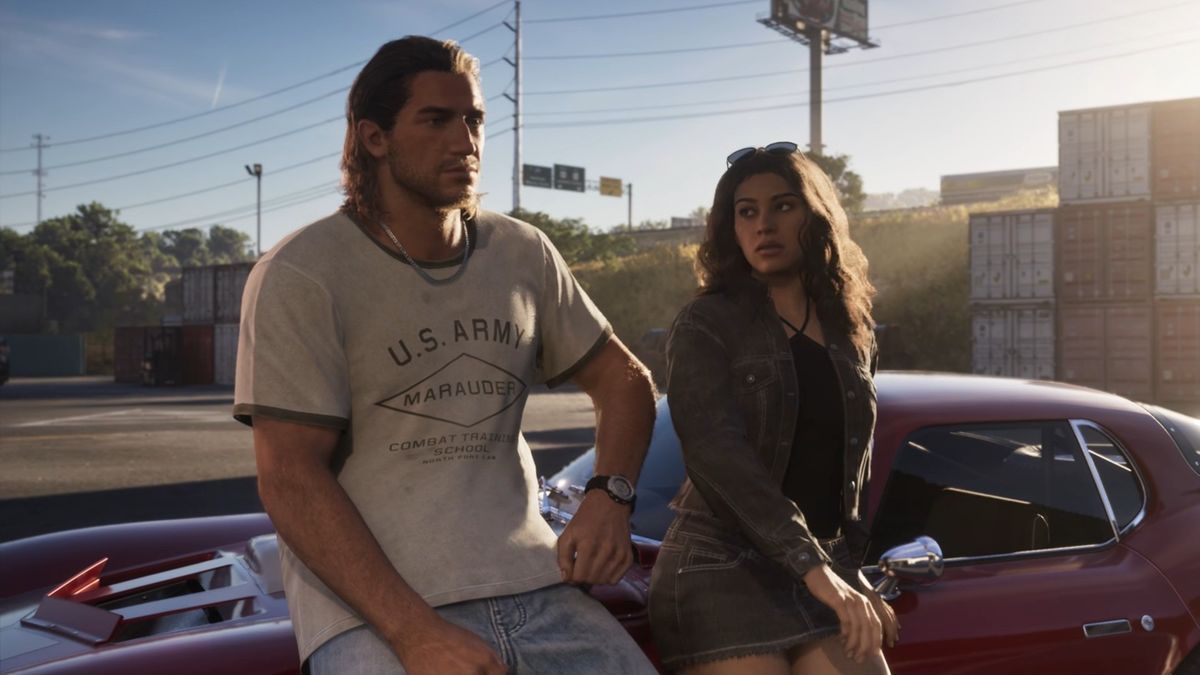
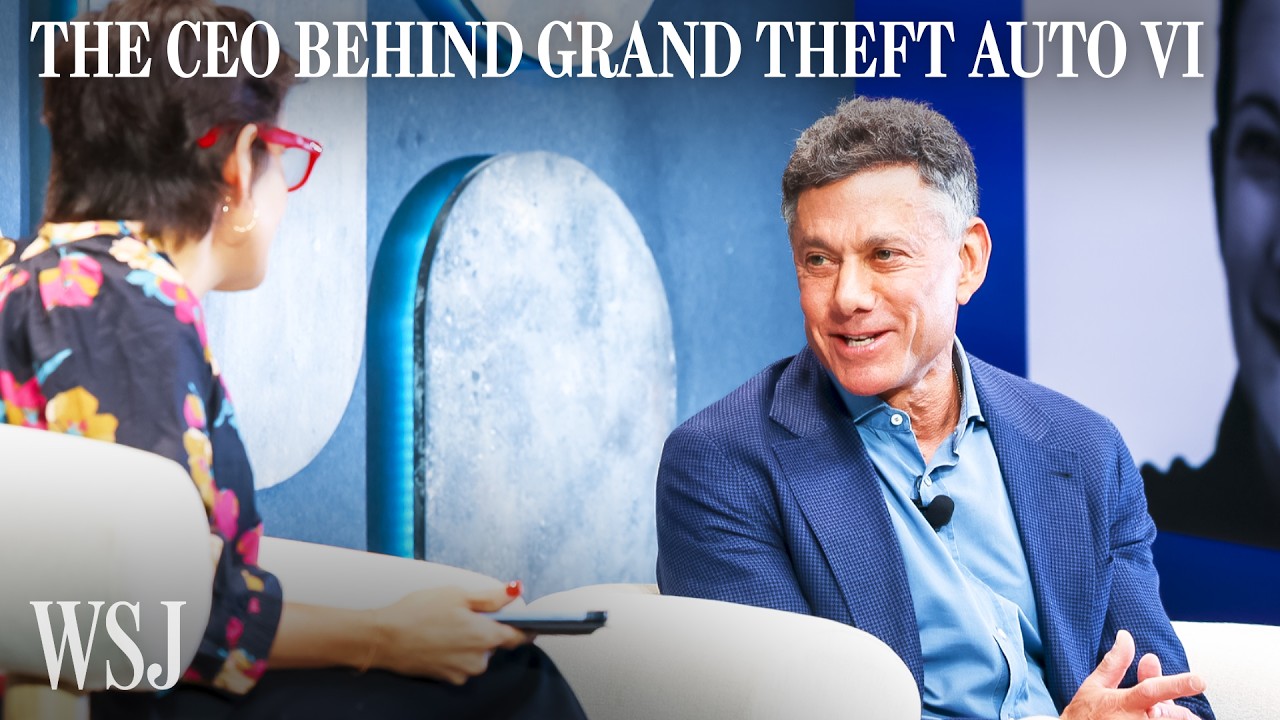
With Grand Theft Auto 6 approaching, much of the attention around Take-Two Interactive is naturally fixed on Rockstar’s next release. Pre-order estimates have added to expectations for a major launch, though no figures are given here. Take-Two CEO Strauss Zelnick is making a broader point: the company’s prospects do not rest on GTA alone.
Retro Context
For readers who follow game series over the long haul, Take-Two’s roster is familiar well beyond Grand Theft Auto. Borderlands, BioShock, WWE 2K and Civilization each bring a different identity, while Words with Friends and Empires & Puzzles show that the company’s portfolio also reaches into mobile games. Together, these names make the discussion about a collection of franchises, rather than a single blockbuster release.
Zelnick says Take-Two has 15 franchises whose individual releases have each sold at least five million units. That figure is about the company’s collection as a whole; it does not mean every release in those series has reached that mark. It gives a sense of the scale he is describing, while leaving room for the different audiences and formats represented in the list.
Why It Matters
The distinction matters because GTA 6 will be a major moment for Take-Two, but its other series give the business more than one source of recognition. Zelnick argues that the company’s owned intellectual property is the strongest in the video game business, and says he sees that reflected in its revenue, profits and market value. Those are his claims about the company’s position, not a neutral ranking of every publisher’s catalogue.
The examples also help readers see what “a collection” means in practice. Borderlands and BioShock are distinct from the sports focus of WWE 2K and the strategy heritage of Civilization; the two mobile titles add another part of the picture. The source offers no sales breakdown by franchise, so the five-million figure should be read as a threshold across 15 series, not a comparison of which one matters most.
There is also a natural comparison with Nintendo. Mario, The Legend of Zelda and Super Smash Bros. give that company a well-known set of series to put alongside Take-Two’s list. Which portfolio looks strongest will depend on a reader’s tastes and on what they count as breadth; the names alone do not settle the debate.
Z-retro View
Zelnick’s case is most useful as a reminder to look past the biggest upcoming release. GTA 6 may dominate conversation, but Take-Two has other established franchises and mobile games in its catalogue. At the same time, the CEO’s description of the collection as the industry’s best is an opinion, and comparisons with companies such as Nintendo invite different answers from different players.
For a retro-aware reader, the interesting part is the range of series that have remained part of the conversation across different styles of play. The interview does not provide a history of those franchises or a detailed account of their sales, so it cannot show how each developed over time. It does, however, offer a concise snapshot of how Take-Two presents its identity: GTA is central to the moment, but the company wants its wider catalogue considered too.