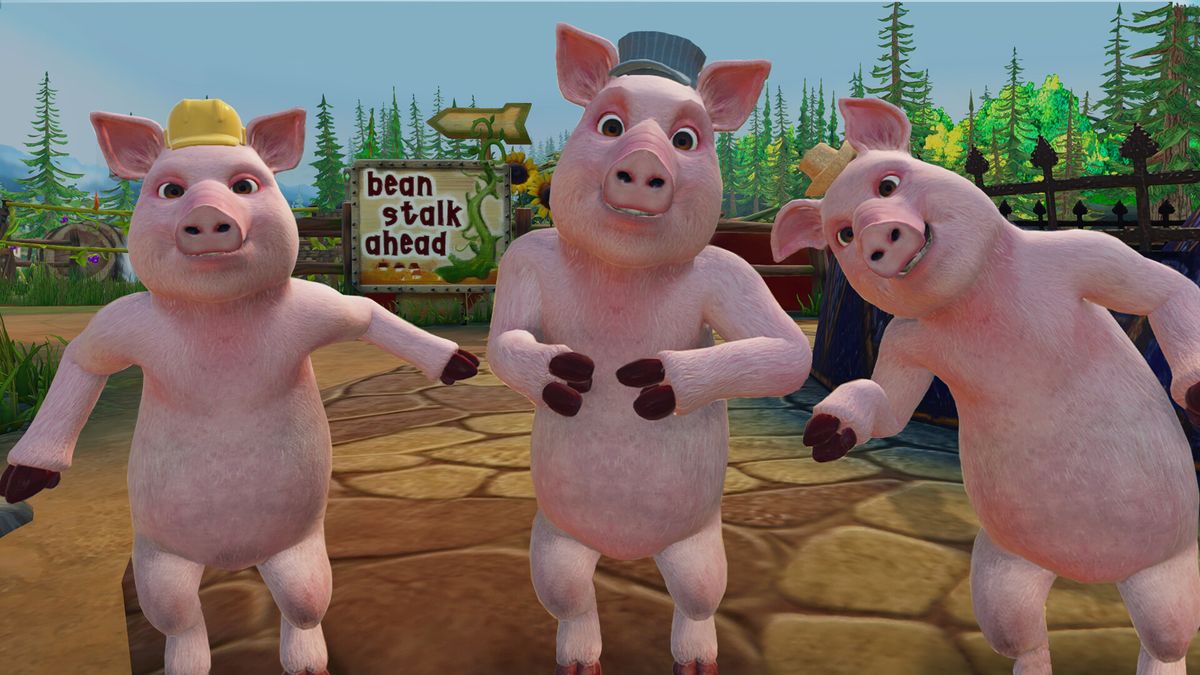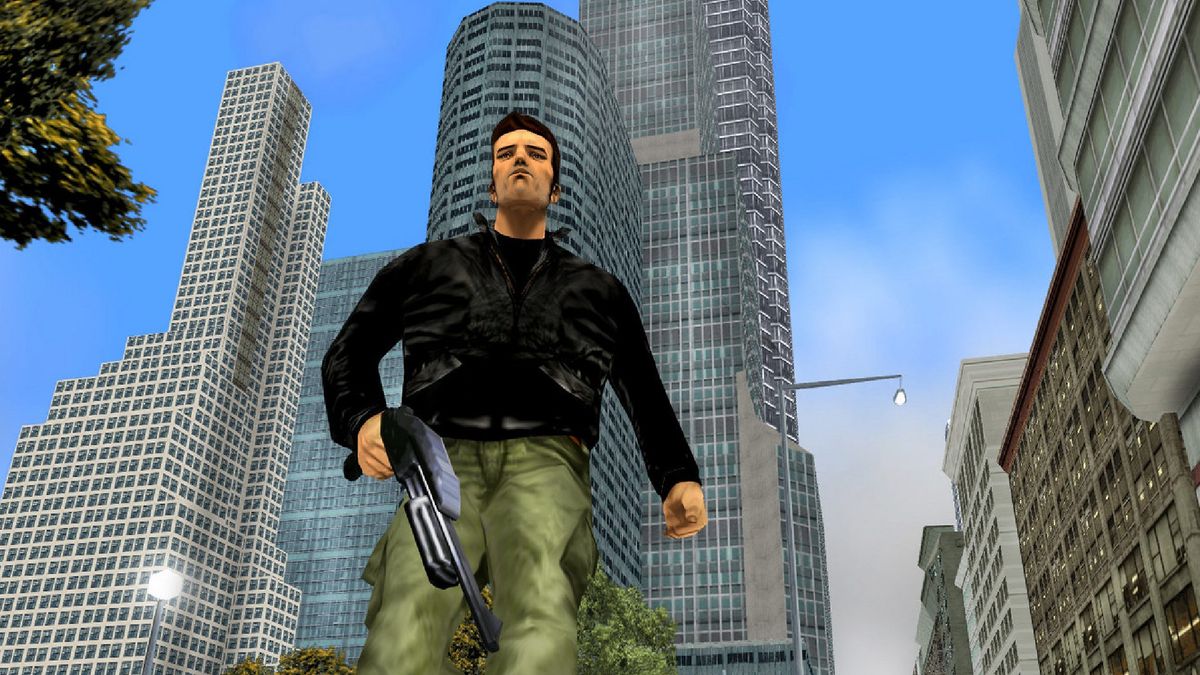
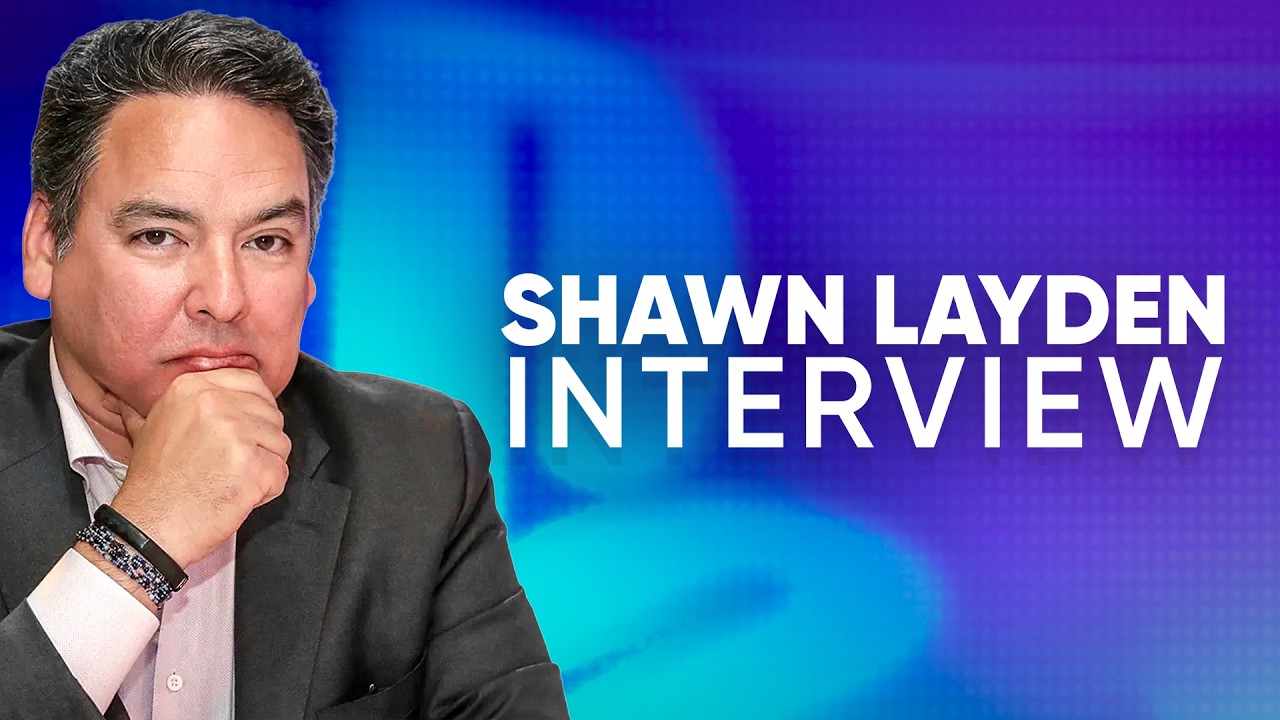
Former PlayStation lead Shawn Layden sees a growing sameness in the games reaching players. He says many new releases resemble their neighbors, while the cost of making a game has made publishers more cautious about backing ideas that do not fit a familiar mold. His concern is not just that some unusual projects may go unfunded. It is that players could have fewer kinds of games to choose from, and the industry could miss chances to bring in new audiences.
Retro Context
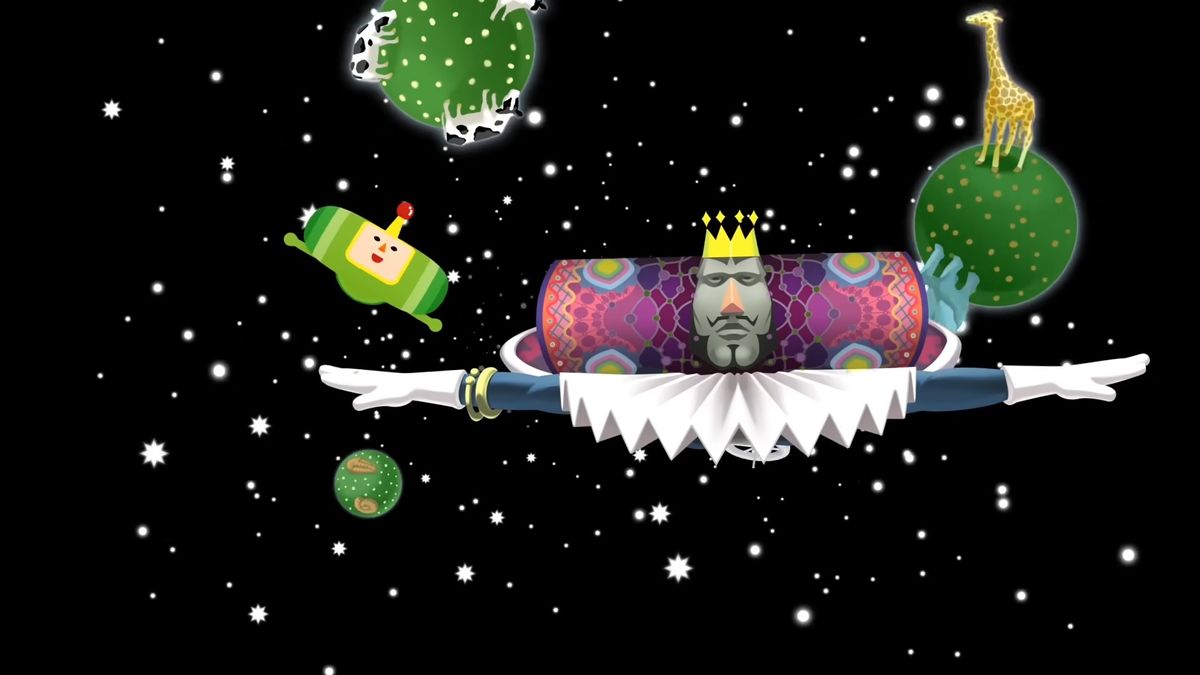
Layden looks back to the original PlayStation era as a time when a smaller project could still be a worthwhile gamble. He says making a game then might cost around $6 million to $7 million, so a project that failed could still leave its team with something learned. In his view, that kind of manageable downside helped make room for the PS1’s many unconventional games. PaRappa the Rapper and Katamari Damacy stand out in his examples as the sort of distinctive ideas he worries may be harder to fund today.
The contrast he draws is about more than nostalgia for a particular console generation. It is about what publishers can afford to risk. Reports cited in the source put the budgets for some new AAA games above $300 million. Layden argues that when each project requires an enormous investment, a publisher has less reason to support something unfamiliar that might not find a large audience. He describes the present risk tolerance as close to zero when every attempt could involve a triple-digit-million-dollar budget.
Why It Matters
That pressure can shape what gets pitched and what gets approved. Layden says developers seeking funding may be asked whether a game is a sequel or based on an established intellectual property. He also describes pitches framed as a combination of popular games, such as Fortnite and Call of Duty, set in a familiar kind of world. Those descriptions can make a proposal easier to place, but they also point toward a market where recognizable ingredients may feel safer than a wholly unfamiliar concept.
Layden uses shooter subgenres to illustrate the imbalance he sees: looter shooters, hero shooters and extraction shooters are among the formats he names. His point is not that those games should not exist. Rather, he wonders where the next game with the unexpected appeal of Katamari Damacy might come from if funding favors projects with an established audience or a clear comparison to existing hits. The industry may have many releases while still offering less variety in the kinds of experiences they provide.
For players, variety affects the chance of finding something that suits a taste beyond the most familiar genres. Layden also raises a wider audience concern: if the range of games on offer stays narrow, the industry may lose opportunities to attract new users. That is a possibility he warns about, not a measured outcome in the source. His argument links creative variety to audience growth, while recognizing that publishers making very large investments will naturally pay close attention to a game's likely revenue.
The practical caveat is that Layden is describing the funding climate from his perspective, not claiming that every modern game is alike or that every smaller idea is rejected. His examples show how expectations can influence pitches and budgets, but they do not establish that cost is the only force shaping game design. Still, the sums involved help explain why a publisher might prefer a sequel or a known format when deciding where to place its money.
Z-retro View
Layden’s comparison gives retro readers a useful way to think about the PS1’s reputation for odd, memorable games: lower project costs could make experimentation easier to absorb. Today's high budgets create a different set of pressures, and familiar franchises can be a sensible response for publishers weighing a major investment. At the same time, a steady supply of recognizable games cannot guarantee the same breadth of ideas. Keeping some room for distinctive projects may benefit players and future audiences, even when no one can promise which unusual concept will succeed.