Sega’s Cyber Razor Cut advert still has a special place in UK gaming memory. Aired in 1992, right as the Sega-versus-Nintendo battle was becoming louder, it did not feel like a normal console commercial. It looked like a strange late-night transmission from another channel: smoky, sharp-edged, funny, and built around a cyberpunk barbershop where anything could happen.
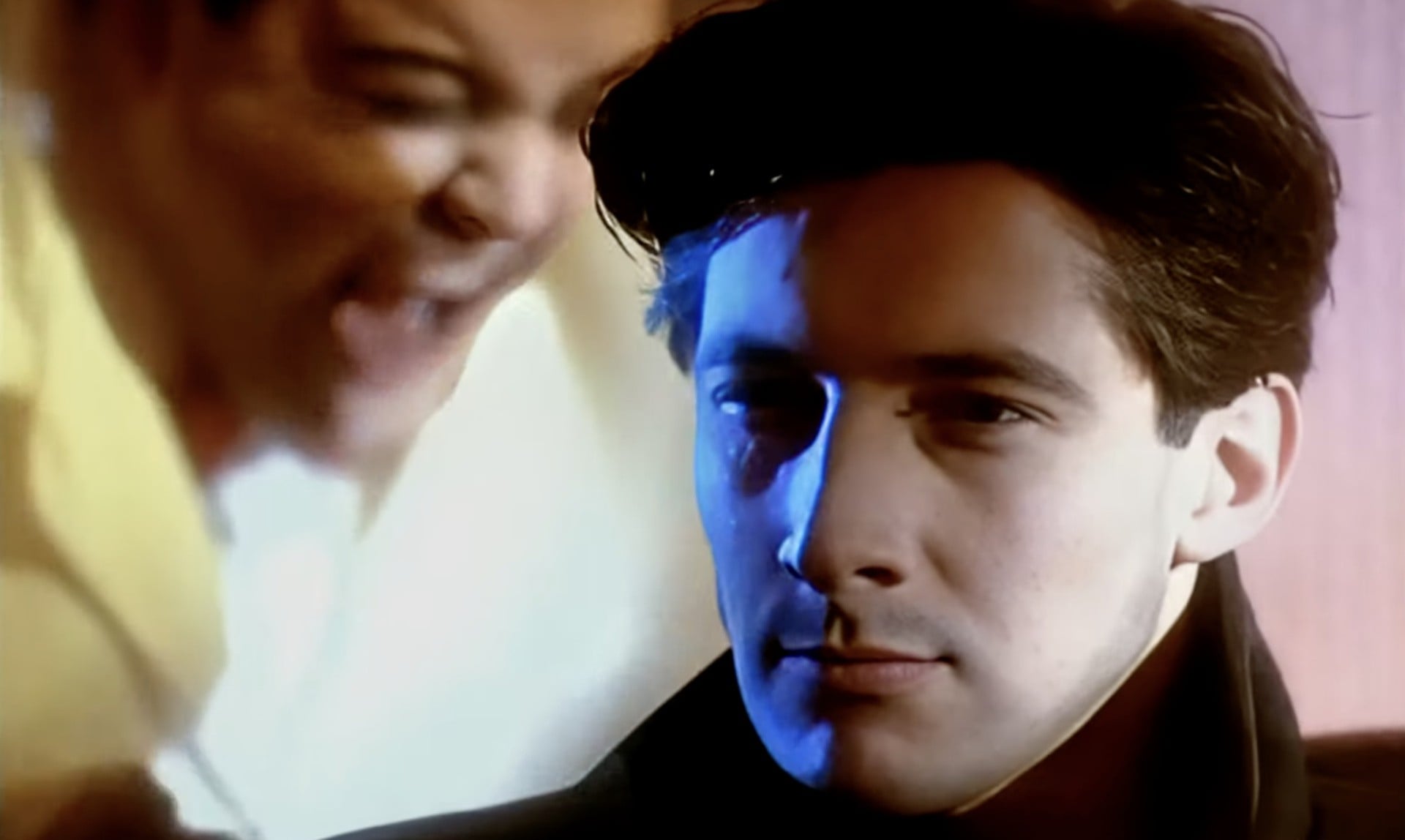
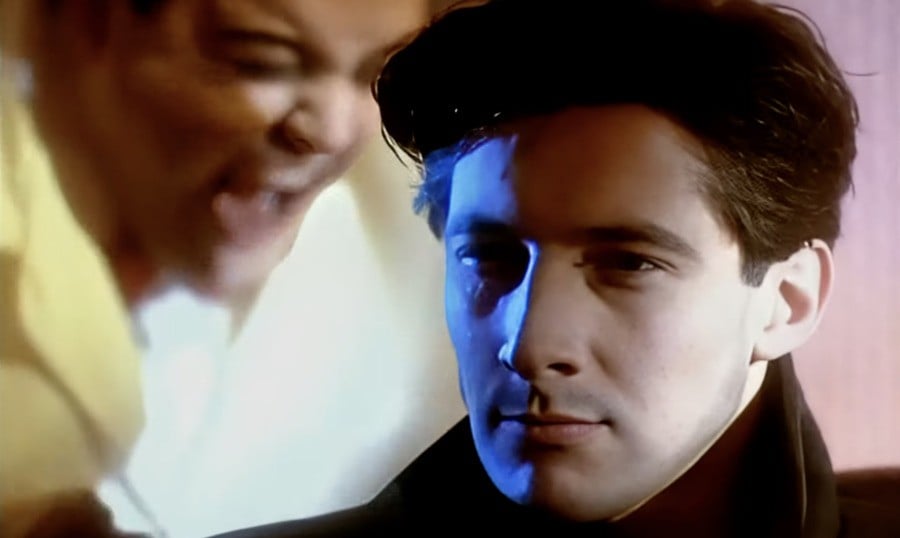
The spot starred Peter Wingfield, later known to many viewers through Highlander: The Series, as the smooth customer Jimmy. Steve O’Donnell, familiar from Bottom, played the barber. Jimmy walks into a steam-filled shop and asks for a Cyber Razor Cut, a simple line that opens the door to a fast, oddball mix of attitude, machinery, mirrors, and Sega confidence. For many young UK viewers, that was the point: Sega was selling hardware, but it was also selling a mood.
Retro Context
In the early ’90s, TV advertising mattered enormously for games. The Mega Drive, Master System, and Game Gear were not just competing on shelves; they were fighting for space in living rooms, school conversations, and Saturday-morning memories. Cyber Razor Cut became the first burst of a wider Pirate TV campaign, a run of adverts designed to make Sega feel faster, cheekier, and more plugged into youth culture than the safer console messaging around it.
The commercial was shot by cinematographer Geoff Boyle, who died in 2021. Boyle’s wider career included major commercial work for brands such as Ford, Pepsi, Lego, BMW, and Fosters, along with film credits including Enemy at the Gates, Mutant Chronicles, and Street Fighter: The Legend of Chun-Li. Looking back in 2016, he remembered that the Cyber Razor Cut boards were not laid out like rigid TV frames. They felt closer to a comic, with varied shapes and an invitation to explore the feel of the piece rather than simply copy a locked plan.
That creative freedom matched the technology of the moment. Boyle described a period when camera gear was changing and shifts in shooting speed were becoming easier to use inside individual shots. The team also built large semi-reflective mirrors, around 8 by 4 feet, so the camera could sometimes see through the barber’s mirror and reveal a full TV control room behind it. It was practical, physical effects work with a very 1992 kind of confidence: part engineering, part theatre, part lucky timing.
Why It Matters
The charm of Cyber Razor Cut is that it shows how much effort went into making a short advert feel like an event. The set had to be raised so steam could be pumped up through the floor, which gave the barbershop its heavy atmosphere but also made the place damp and difficult to work in. Boyle later remembered the large steam boiler outside the studio door as genuinely worrying, and said he spent the shoot expecting it to go wrong. That detail says a lot about the ad’s appeal: it looked unstable because, in practical production terms, it partly was.
Cyber Razor Cut also helps explain why Sega’s UK marketing landed so strongly. It was not a one-off gag. It began a campaign that quickly taught the public about Sega’s wider hardware line, including the Master System and Game Gear, while building a style people could recognise. Former Sega marketing director Simon Morris later compared the core idea with Amazon’s Mr. Robot, suggesting that the sense of a broadcast being interrupted or hijacked still had power decades later. The technique felt rebellious, but it was doing a clear job.
The follow-up advert, Howdedodat, pushed that rough energy in a different direction. Made to promote the Game Gear, it used a Mad Max-style setup and was filmed in the hot Spanish countryside. Boyle recalled that the scene was lit entirely with mirrors, which had to be adjusted again and again as the sun moved. The dust was so heavy that he initially thought makeup had made Steve O’Donnell look filthy and greasy, only to learn that the conditions themselves had done the work. Sitting in O’Donnell’s place revealed how brutally hot the mirror setup had become.
Z-retro View
Seen today, Cyber Razor Cut is more than a nostalgic advert with cool lighting. It is a useful reminder that the most memorable retro marketing often came from a mix of brand nerve, craft, and practical problem-solving. The Pirate TV campaign eventually grew beyond Jimmy and helped Sega take a lead over Nintendo in the UK. Boyle’s own view was that the team had been encouraged to take creative risks, and the finished adverts still show that spirit. They are messy in the best historical sense: handmade, ambitious, and closely tied to a moment when Sega wanted to look like the future had broken into the room.