Kai Magazine Software, the developer known for Mega Drive and Genesis homebrew releases such as Metal Dragon, Life on Mars, and The Secret of the Four Winds, is facing serious criticism over artwork used in its Western shooting gallery Death & Lead, also referred to as Dead & Lead.
The claims center on whether the game uses artwork that was traced, copied, or generated with AI, then included in a commercial product without proper credit or permission. For a retro scene built on craft, trust, and careful respect for old hardware, that is a heavy accusation.
The latest round of attention came on Tuesday, June 2, 2026, when YouTuber Goati_ published what has been described as one of the most detailed breakdowns so far of the material in Death & Lead. The video argues that the game relies on both uncredited copied elements and AI-assisted imagery, with the creator presenting the issue as commercial use of other people’s work.
Goati_ went further than simply calling the game careless. The YouTuber described Death & Lead as an especially troubling Mega Drive release because, in their view, the disputed material is not hidden behind a strong first impression. That criticism adds to a wider feeling among some retro players that the problem is not only legal or artistic, but also about confidence in the product itself.
Retro Context
Mega Drive and Genesis homebrew games sit in a special corner of retro gaming. These projects ask modern developers to build new software for old Sega hardware, often under tight visual, memory, and animation limits. Because every sprite, background, and movement has to work within those limits, original pixel art carries real value.
Tracing from older games also has extra weight in this space. Retro developers naturally study classics, and many projects proudly echo the look of 16-bit action games. But there is a difference between influence and reusing another artist’s layout, animation, or finished asset without consent. That line matters because homebrew is not only nostalgia; it is also a living commercial and creative scene.
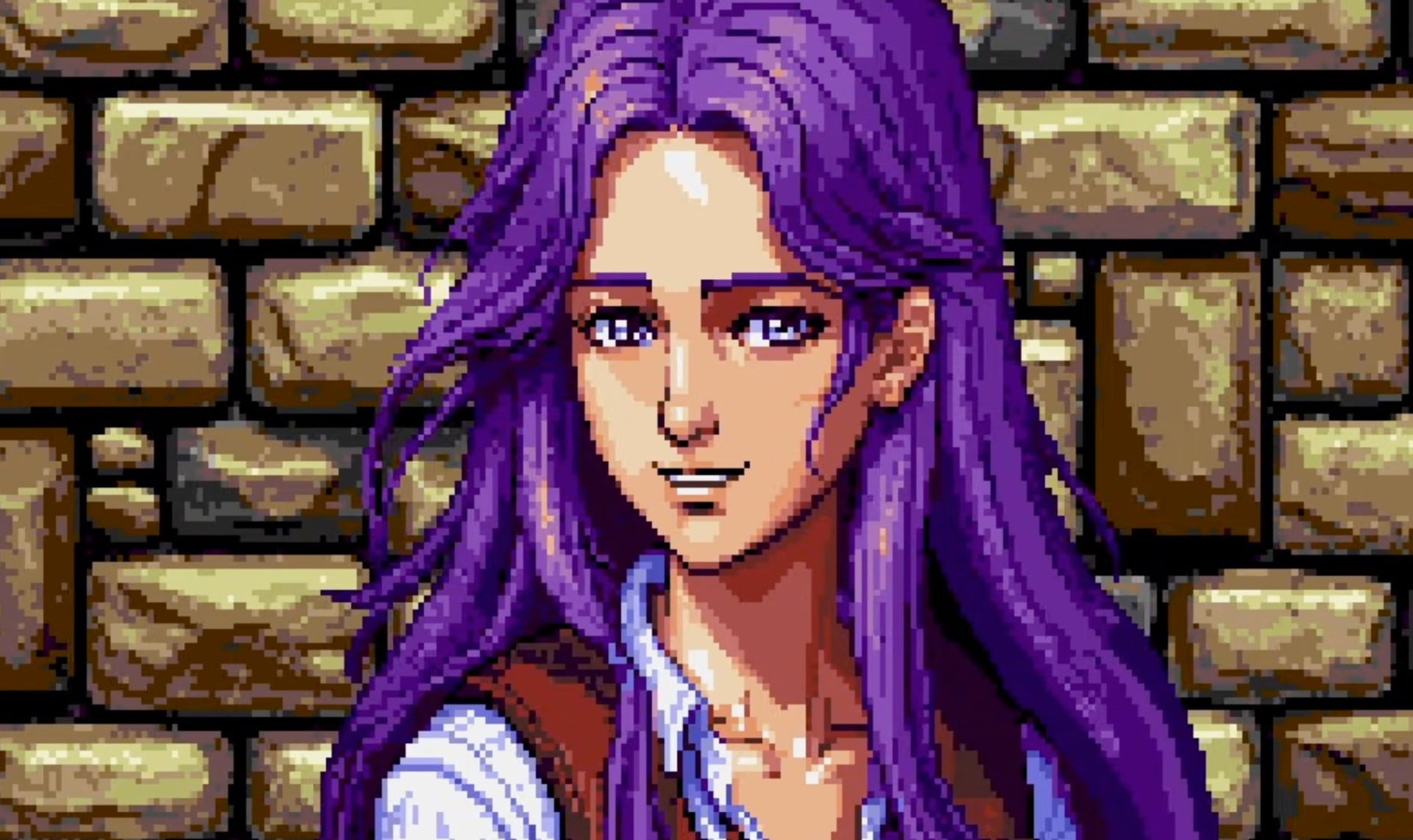
The first wave of claims came after Krokodyl responded to a video from Retro Gamer Boy. Krokodyl pointed to what appeared to be an AI-generated cutscene background in Death & Lead, then listed further examples where Kai Magazine Software seemed to have traced work from other pixel artists and existing games.
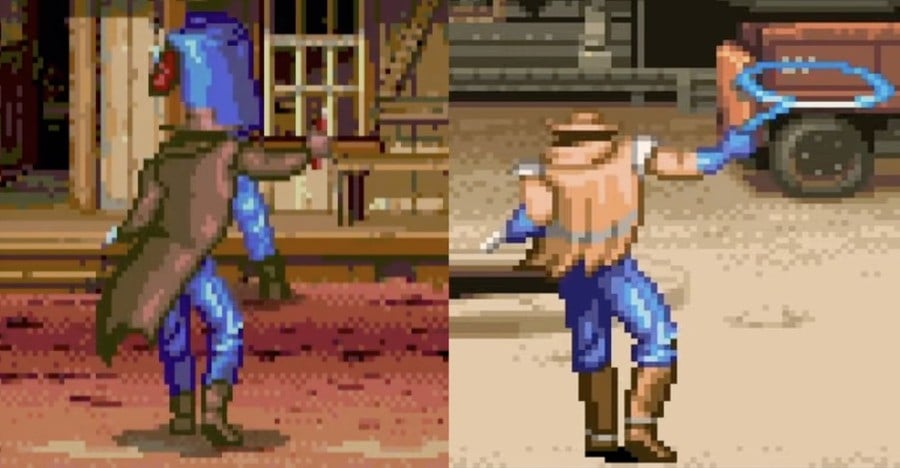
Among the examples raised were animations said to resemble material from Shinobi III, released in 1993, and Wild Guns, released in 1994. Krokodyl also highlighted work by Vietnamese pixel artist Dwayne Tran, whose locomotive artwork was allegedly copied for the project.
Tran said he was shocked by the claim and confirmed that the locomotive appeared to be traced from his original work. He also said he had not heard from Kai Magazine Software and had not been contacted for permission.
The list of disputed material did not stop there. Other alleged sources include assets from Parasite In City from 2012, Blade of Vengeance from 1993, the anime Kabaneri of the Iron Fortress, and artwork found on Reddit and pixel art communities such as PixelJoint.
Another developer response has also surfaced. A developer connected to Planet Centauri said they had not been aware of the matter and had not granted rights for their work to be used. They later told Krokodyl that they would check with a colleague, while also noting they were unsure what action they could take from their side.
After the Death & Lead story began spreading, Krokodyl and other Bluesky users, including IkariDC, identified further alleged examples in Kai Magazine Software’s Metal Dragon. Those newer claims point to material said to be traced from Tough Turf, Sega’s 1989 title, as well as a background said to copy a piece created for Cardboard Sword’s The Siege and The Sandfox.
That detail is notable because The Siege and The Sandfox is not an obscure vintage source. It is an indie PC game released earlier in 2026, after nearly a decade of public development updates. If the claim is accurate, it would connect the dispute not only to older arcade and console references, but also to recent indie artwork with a long public trail.
Why It Matters
The practical issue for players is simple: Death & Lead is being sold as a premium product, priced in the same broad space as many full-price Switch games. When a retro release asks for that level of support, buyers reasonably expect the artwork, credits, and permissions to be handled with care. The concern grows because Kai Magazine Software has also had Metal Dragon and Life on Mars appear on an Evercade cartridge, giving the studio a wider commercial reach than a small one-off hobby project.
At the time of the latest update, Evercade had not yet responded. That leaves an open question around how platform holders, publishers, and collectors should treat retro-style releases when artwork concerns are raised after products have already reached paying customers.
Z-retro View
For Z-retro readers, the useful takeaway is not to rush into a pile-on, but to understand why the reaction is so strong. Retro games have always borrowed moods, camera angles, and genre language from one another. But when specific art, animation, or backgrounds appear to be copied without permission, the issue moves beyond homage. The healthiest version of the homebrew scene is one where new Mega Drive games can celebrate the past while still respecting the artists who built, and continue to build, that visual language.