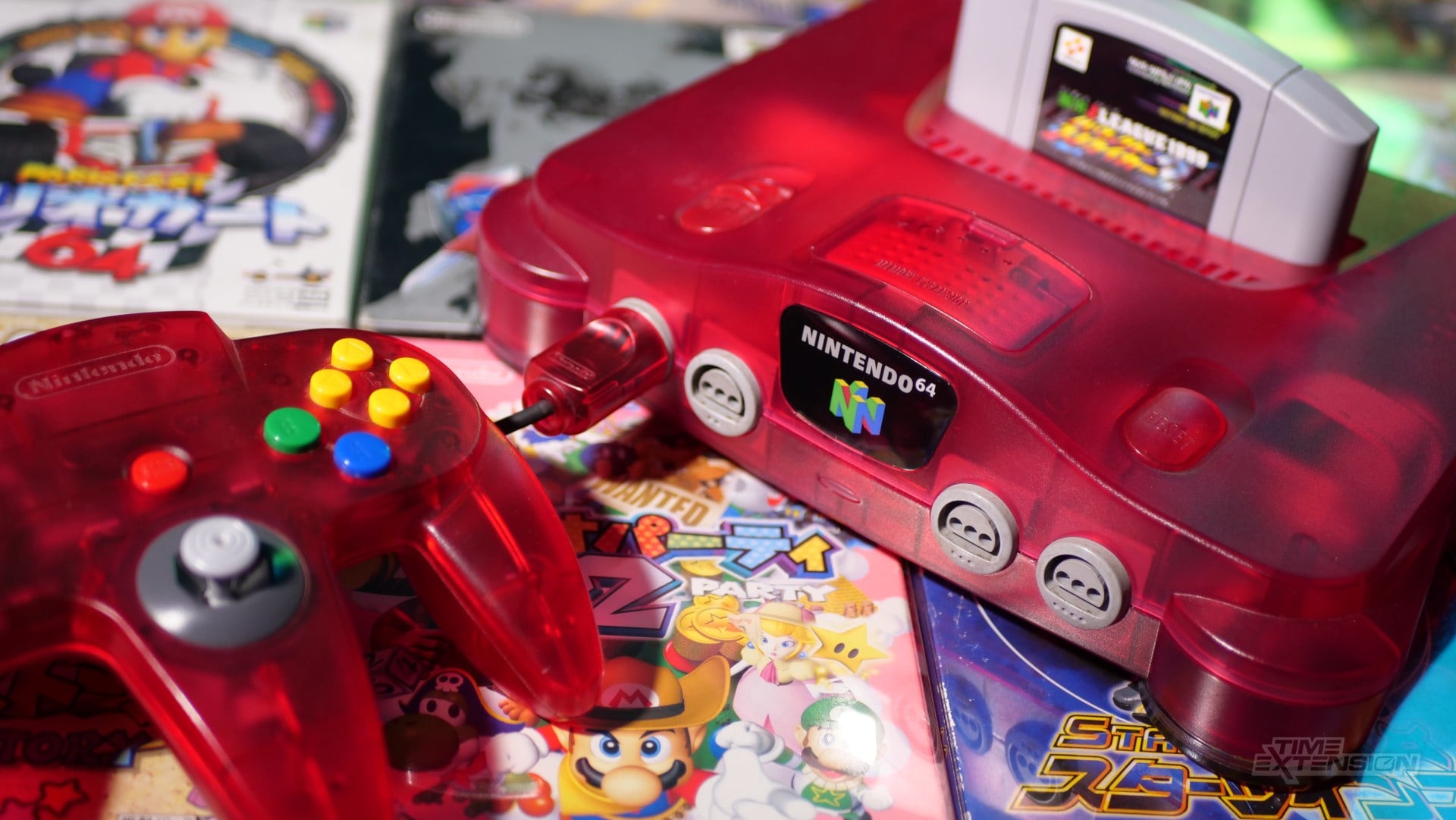
RMG-K, a fork of the RMG Nintendo 64 emulator, has been updated with support for rollback netcode, according to Time Extension. For retro players who follow emulation mainly for accuracy, preservation, or convenience, that may sound like a small technical change. For anyone trying to play older multiplayer games online, it is a much more meaningful step.
Rollback netcode is designed to make online play feel faster. Instead of waiting for every player input before the game moves forward, it predicts what will happen next. If the prediction is wrong, the system corrects the action by rolling back to the proper state. When it works well, the player feels less of the pause and drag that can make online play feel heavy.
Retro Context
Nintendo 64 multiplayer is strongly tied to the idea of people being in the same room, sharing a screen, and reacting at the same time. Emulation changes that setting. It lets players revisit old games on modern systems, but online play has always needed extra help because the original experience was not built around internet delay. That is why netplay features matter so much in retro emulators.
Traditional netplay can be useful, but it often has a simple problem: it waits. If the system has to pause until the needed inputs arrive, the result can feel less natural than local play. Rollback takes a different approach. It tries to keep the game moving, then repairs the timeline if the guess was wrong. That idea is now familiar to many fighting game players, but it can also be useful for other classic multiplayer scenes where timing and reaction matter.
The preservation angle is important too. Emulation is not only about loading old software. It is also about keeping old play styles reachable as hardware ages, local groups spread out, and physical setups become harder to maintain. Online features do not replace original hardware or the feel of playing beside other people, but they can keep older multiplayer games active for players who would otherwise have no practical way to gather.
Why It Matters
The practical value of this update is responsiveness. A smoother online session can make the difference between a game feeling worth revisiting and a game feeling like a technical compromise. Rollback does not promise a perfect experience, and it cannot remove every problem created by distance, connection quality, or setup differences. But it gives emulator netplay a stronger tool than a basic wait-for-input model.
What Readers Should Take From The Update
- RMG-K is a fork of the RMG Nintendo 64 emulator, and this update adds rollback netcode support.
- The update uses the GekkoNet framework, which developer NyxTheShield credited with doing most of the heavy work.
- The feature has been tested publicly by GoldenEye expert Graslu00, giving it a fitting showcase for classic multiplayer play.
- This is best understood as a quality-of-play improvement, not a guarantee that every online session will feel identical to local multiplayer.
The source report notes that NyxTheShield incorporated GekkoNet into the emulator, and that the developer described the emulator-side process as not especially difficult because GekkoNet handled much of the lifting. That detail matters because it suggests the story is not only about one emulator feature. It also shows how shared frameworks can make advanced netplay ideas easier to bring into retro projects.
Z-retro View
Z-retro sees this as a useful and grounded improvement for Nintendo 64 emulation. It is not something to oversell as a complete replacement for original hardware, a living-room setup, or careful preservation work. It is better viewed as a practical bridge: a way for more people to experience old multiplayer games with less friction when local play is not realistic.
The most encouraging part is the balance between modern convenience and retro interest. Rollback netcode does not change what these games are, but it can change how approachable they feel today. If RMG-K’s implementation proves reliable for players, it gives the Nintendo 64 emulation scene another reason to be watched closely by anyone who cares about keeping classic multiplayer playable, social, and active.