Mark Woodmass, the developer best known for creating the ZX Spectrum emulator SpecEmu, has passed away. The news was shared through the Spectrum Computing forum and was later reported by Time Extension. Within the Spectrum scene, many people knew him by the names Woody or Woodster, and the response to the news has focused less on celebrity and more on gratitude for years of careful technical work.
SpecEmu is the project most closely linked with his name. It earned a strong reputation among users who wanted a faithful ZX Spectrum experience, especially because of its accuracy and compatibility. In retro computing, those words matter. An emulator is not judged only by whether it starts a famous game. It is judged by how well it handles unusual software, timing-sensitive behaviour, old tape images, edge cases, and the small details that make one machine feel different from another.
Retro Context
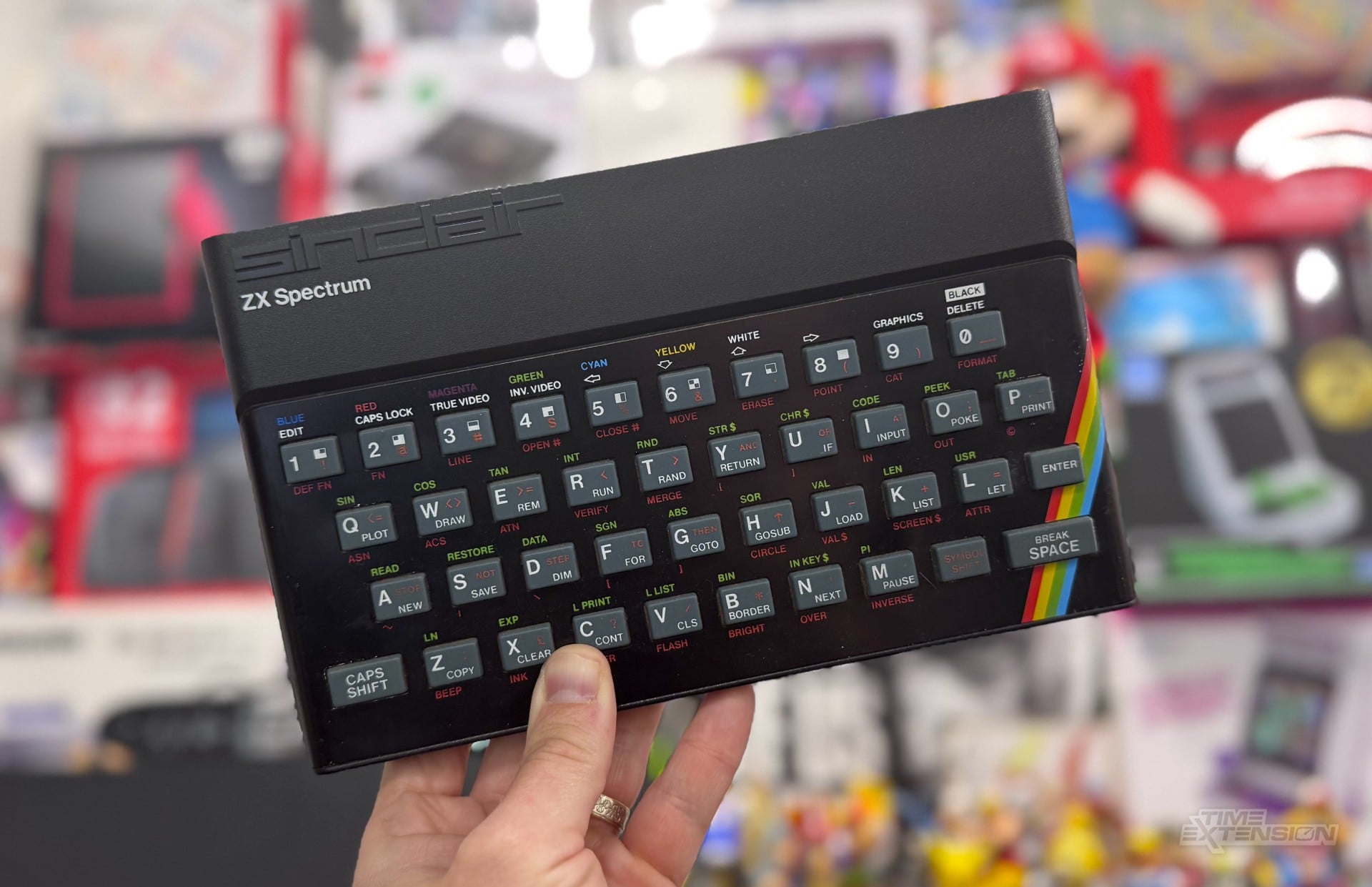
The ZX Spectrum remains one of the most discussed home computers in retro gaming, partly because its software library is large and partly because its community never fully went away. People still play the games, make new projects, preserve old material, and compare how closely modern systems can reproduce the original machine. For a casual player, a rough emulator may be enough for a quick session. For preservation work, testing, development, and serious collecting, rough is not enough.
That is where projects like SpecEmu become important. Accurate emulation helps older software survive in a usable form when original hardware is worn, expensive, hard to maintain, or simply not available to every reader. It also gives developers a more reliable way to test software without depending only on one physical setup. The source material highlights SpecEmu's optimised assembly code and its close attention to technical detail, which explains why it became respected by people who care about the machine beyond surface nostalgia.
Woodmass also worked beyond the emulator itself. Tributes have pointed to his technical tools connected with emulation, tape formats, Z80 processor testing, and related utilities. Those kinds of tools are not always visible to the average player, but they often shape what the wider community can do. They can help confirm whether an emulator behaves correctly, make old media easier to work with, and give other developers a stronger base for their own projects.
Why It Matters
For readers who only know retro emulation as a way to launch old games on a modern computer, this story is a useful reminder that the best preservation work is usually slow, detailed, and cumulative. A polished emulator can feel simple from the outside, but the trust behind it comes from many small decisions. Compatibility has to be earned across many programs. Accuracy has to be checked against hardware behaviour. Tools have to make difficult formats understandable enough for others to use.
There is also a human part to this. The tribute cited by Time Extension described Woodmass as someone willing to help people who asked. That matters in small technical communities, where knowledge can easily disappear if it stays with one person. A helpful developer does more than release software. They make it easier for others to learn, test, document, and continue the work. In a scene built around machines from another era, that shared knowledge is part of the preservation effort.
Woodmass' ZX Spectrum Work Mentioned In The Source
- SpecEmu, the ZX Spectrum emulator for which he is best remembered
- Technical tools connected with emulation and tape formats
- Z80 processor testing utilities and other developer-focused tools
- ZX Spectrum games including Boom Bot, Scumball 2, Lost!, and Super Crap Invaders
His game work also deserves a place in the picture. The source names Boom Bot, Scumball 2, Lost!, and Super Crap Invaders as ZX Spectrum titles he created. That gives his legacy a broader shape. He was not only interested in recreating how the Spectrum behaved; he also made things for it. For many retro fans, that combination is familiar: preservation, experimentation, development, and play often overlap in the same people.
Z-retro View
A balanced way to view Woodmass' legacy is to see it as practical rather than symbolic. SpecEmu's reputation came from being useful to people who cared about the ZX Spectrum in detail. His related tools helped support the work around emulation and old formats. His games showed a creative side within the same scene. None of that needs exaggeration to matter.
The caveat is that this is not a story where every claim should be stretched into a grand historical statement. The confirmed facts are already meaningful enough: a respected emulator, a set of useful technical tools, a handful of Spectrum games, and a community response that remembers both the work and the person behind it. For Z-retro readers, the lasting lesson is clear. Retro preservation depends on people who care about accuracy, share what they know, and leave tools that others can keep using.