A Softer Return To Kanto
May is Mental Health Awareness Month in the US, and Pokémon is still moving through its 30th-anniversary year. In that setting, Pokémon Pokopia has taken on a meaning beyond being another Switch 2 spin-off. Released in March, the game offers a gentler kind of Pokémon fantasy: not a rush toward badges, battles, or trophies, but a chance to live with these creatures, help them settle, and rebuild a place they can call home.
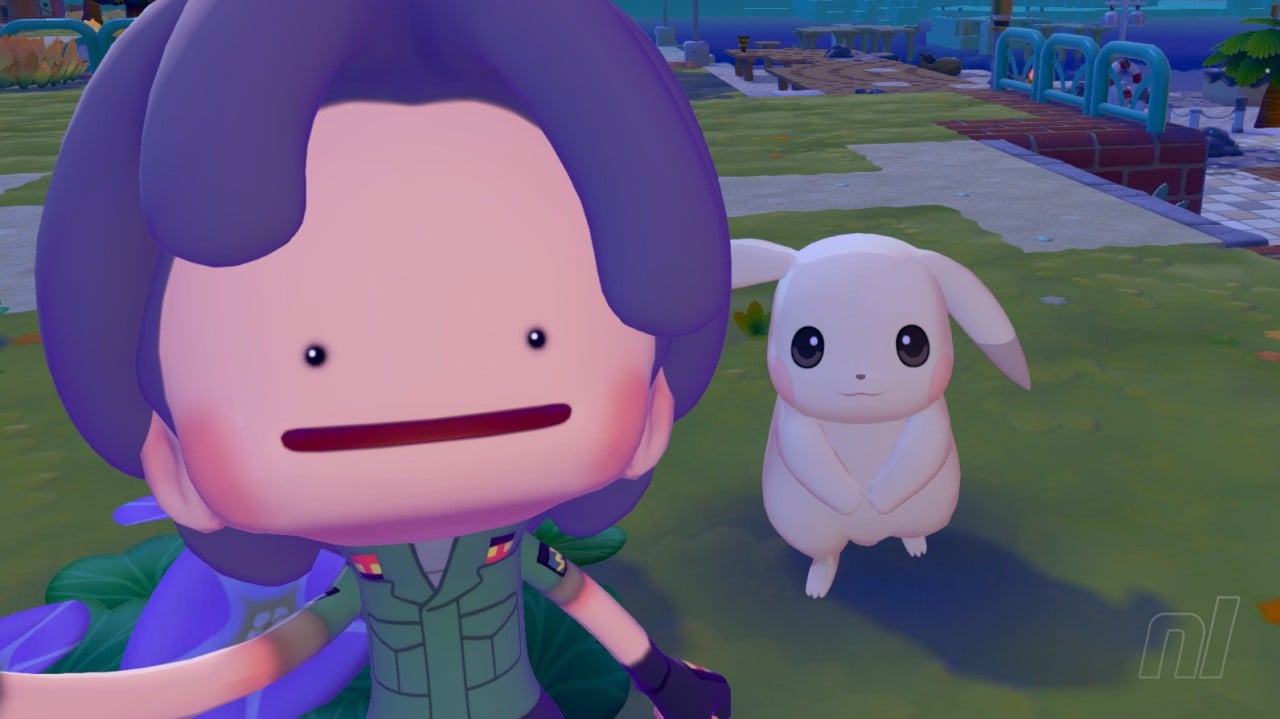
For longtime fans, that shift carries a strange sweetness. Pokémon has always invited affection, but usually through systems built around training, catching, battling, and collecting. Pokopia changes the angle. It lets the player move through the ruins of Kanto as Ditto, meet familiar faces, care for them, and shape a shared world around them. After decades of players giving their attention to Pokémon, the game can feel like that care is finally being reflected back in a softer form.
That feeling mattered because Pokopia arrived after a difficult stretch. A cold, snowy winter in New York City had pushed people indoors and made normal social life harder to maintain. It also paused work on Tim Rattray’s documentary, a project that currently gives his life a strong sense of meaning. With that purpose interrupted and the city feeling closed off, his mental health was already in a fragile place when the game entered the picture.
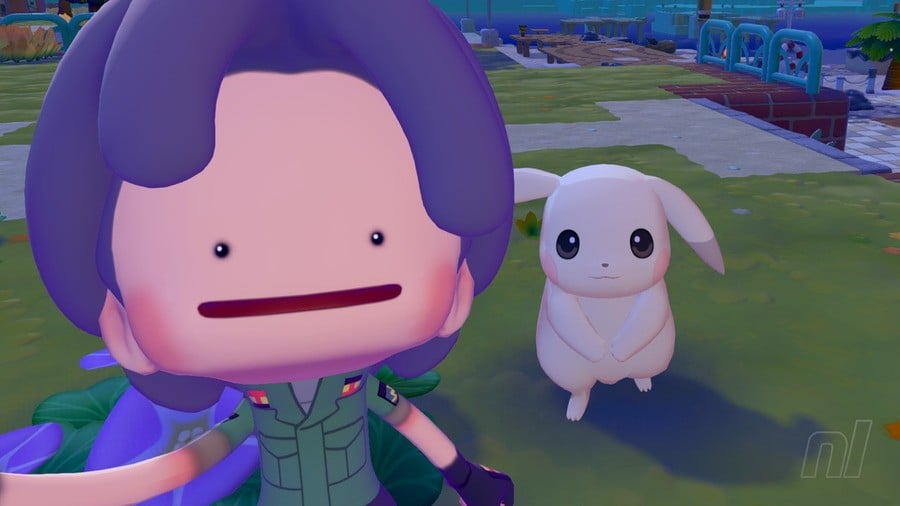
At first, he was not expecting much from it. A previous life-sim experience had left a sour taste, mostly because it became a lonely routine. His time with Animal Crossing: New Horizons was almost entirely solo, apart from early multiplayer visits to sell turnips. Most of the experience became a cycle of improving an island for villagers who had chosen to live there, and over time that quiet responsibility turned into frustration. It pushed him away from the game and made him wary of anything similar.
That is why Pokopia was easy for him to dismiss when it was announced. Even with some goodwill toward The Pokémon Company, he did not have much confidence that the game would escape the familiar life-sim pattern. In many ways, it does not fully escape it. Pokopia is still built on a recognizable formula, and many of the Pokémon who live in the ruined Kanto pull from broad villager-style roles. They have lively introductions and the occasional special detail, but their function is not wildly different from neighbors in a cozy town sim.
The difference was the emotional history sitting underneath it all. These were not just cute residents with new names. They were Pokémon he had known for most of his life, creatures that had usually been treated first as partners in battle or tools for progress. Pokopia reframed them as beings to notice, protect, and quietly befriend. That familiarity became the game’s special spark, turning simple tasks into small discoveries of connection and calm.
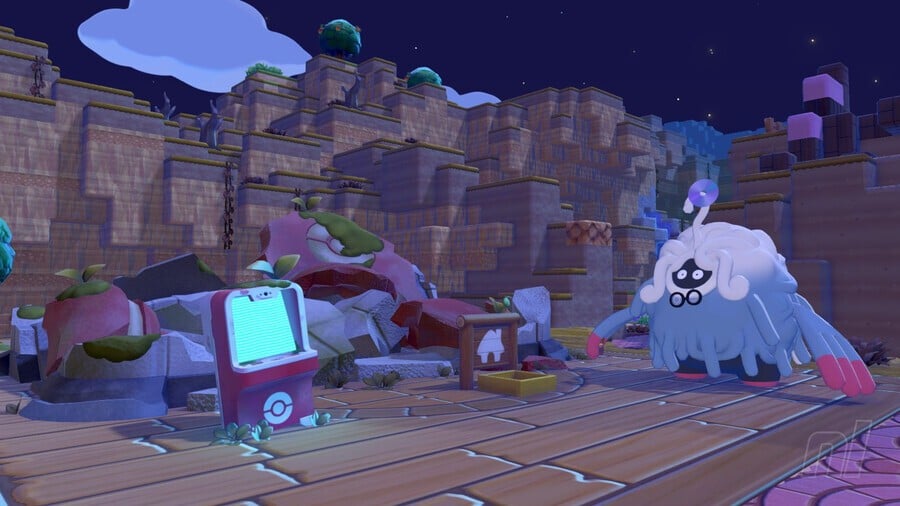
Why Pokopia Landed Differently
- It offered a large-scale Pokémon life-sim fantasy built around living with the creatures rather than battling through them.
- Its Kanto setting brought old memories into a softer, ruined world that could be restored piece by piece.
- The solo structure felt less hollow because the Pokémon themselves carried years of personal meaning.
- The timing mattered: winter had cut into social life, outdoor time, and documentary work, leaving space for a gentler routine to help.
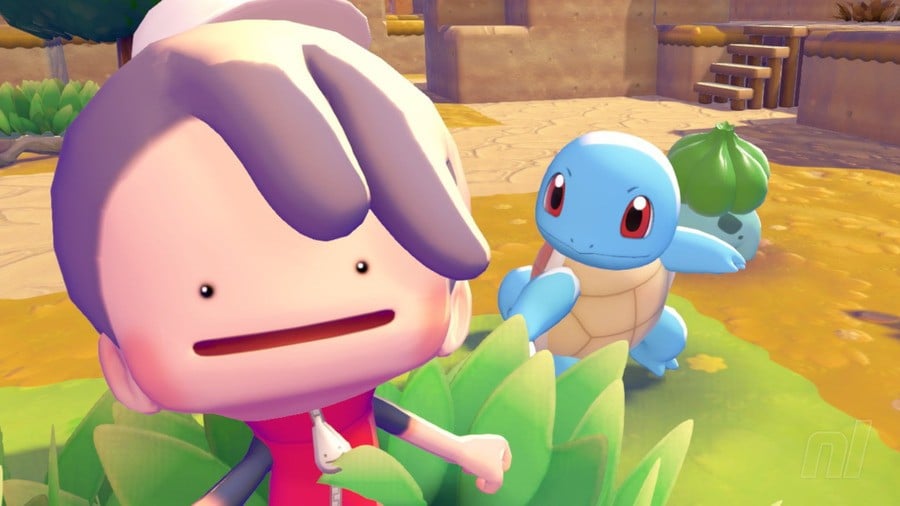
- Meeting Squirtle changed the tone quickly. Tim’s childhood favorite was found on the barren ground, then revived through Ditto’s Transform, and his grateful response made the rescue feel personal.
That Squirtle moment became the emotional turn. In the real world, Tim felt like things were slipping beyond his control. In Pokopia, he could act. He could protect something familiar and dear. A simple scene of rescue gave the game a purpose that went beyond decoration or routine, and it made Kanto feel less like a checklist and more like a small place where care still had visible results.
Eventually, he reached the credits and had to decide what to do next. He could keep expanding Kanto’s infrastructure and continue living peacefully beside his Pokébuddies, or he could treat the journey to that point as complete and step away while it still felt whole. He chose to stop. The decision was difficult, because he was not eager to leave that world behind, but he also knew the limits of the life-sim structure might eventually show themselves in the same way they had before.
By then, his own world had started to thaw. The snow had cleared, people were going outside again, and filming on the documentary had resumed. Pokopia had done what he needed it to do at the right moment. It did not fix everything, and the game did not become something larger than its design, but it gave him a steady place to regain a sense of control when real life felt narrowed. In a very retro Pokémon way, an old favorite appeared at the right time, and the path forward became a little easier to see.