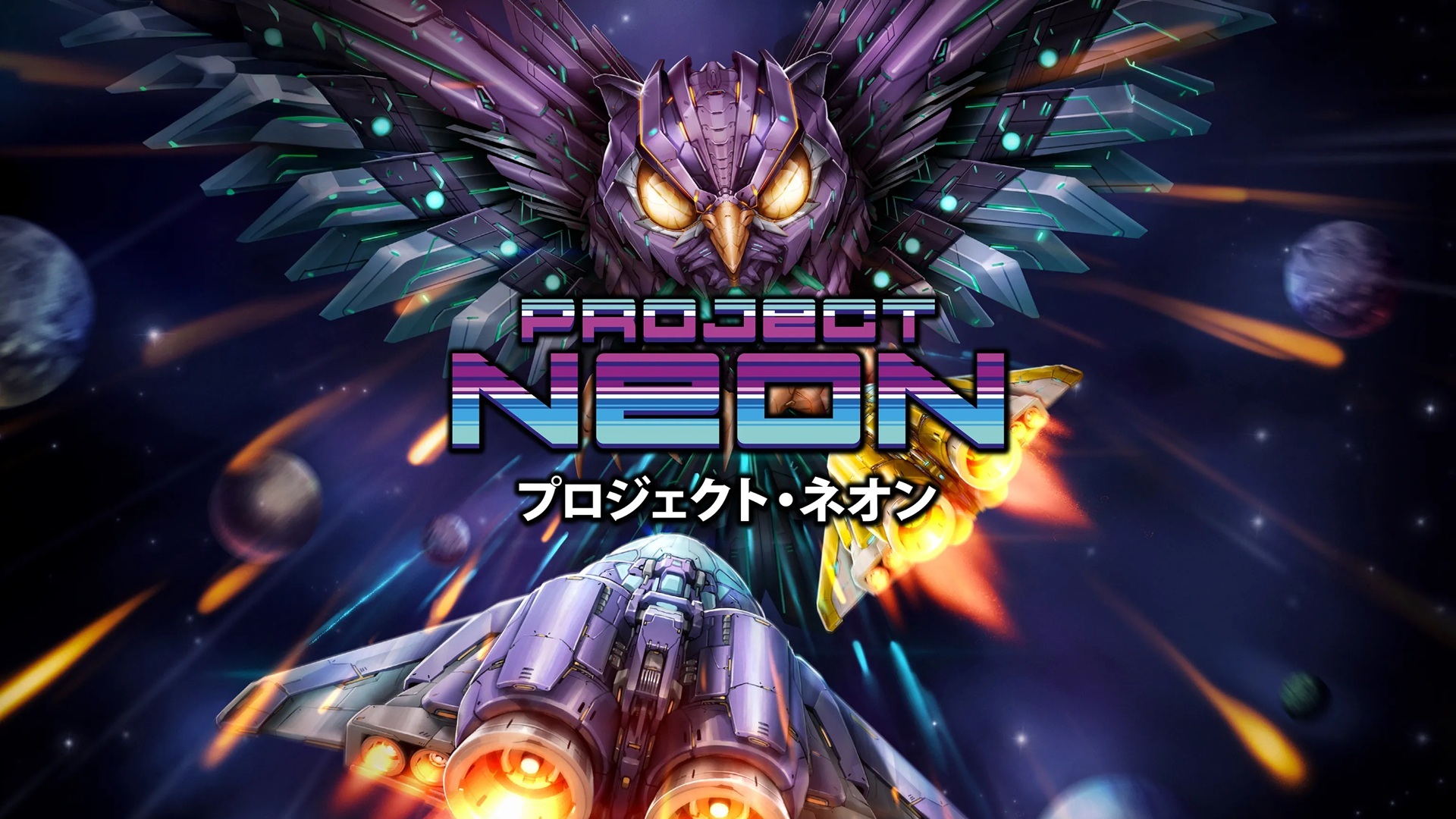
Project Neon is a modern retro shoot ’em up with an unusually wide release plan. Coin Feeder, also known as Fullset, has outlined versions for current platforms alongside editions for older consoles. That gives players several ways to approach the game: pick it up digitally, wait for a physical copy, or look toward one of the retro releases.
Retro Context
The project’s retro angle is part of its release story as well as its style. Project Neon is headed to Dreamcast, Sega Saturn, and Nintendo 64, with pre-orders still open and shipments scheduled by the end of the year. AES and MVS versions have also been announced, along with a soundtrack CD. The available schedule details do not give dates for those AES and MVS editions, so they sit apart from the specifically dated releases.
The Saturn edition has one especially notable detail: it is planned as a cartridge release, described as the first game released exclusively on cartridge for that platform. That makes the format itself part of the news for collectors and Saturn fans. These editions connect a new game with hardware generations many players remember, while keeping the project’s modern release options in view.
Why It Matters
For players who want to jump in digitally, the listed platforms include Xbox Series S and X, Xbox One, Windows, Apple devices (iOS, tvOS, and macOS), Steam on Windows, macOS, and Linux, Google Play on Android, and PlayStation 4 and 5. The Nintendo Switch version was scheduled for August 13. An update dated August 13 says it is now available, and that it runs on Switch 2 through backward compatibility.
Physical editions for PlayStation, Xbox, and Switch are planned for 2027. That leaves a clear choice for anyone deciding when to play: digital editions cover a broad set of current systems, while the physical versions are a later option. Retro-console pre-orders have a separate timetable, with shipments expected by year’s end. Since only some releases have specific dates in the schedule, it is useful to keep the confirmed timing attached to each edition rather than assume all versions arrive together.
A brief hands-on session gives a small sense of the game’s feel. The iOS version was tried on both a phone and Apple TV, and the first two levels came across as a challenging shoot ’em up in the spirit of the 1990s. That is an early impression rather than a full review: the session reached only those opening levels, so it cannot speak to the complete game.
One practical feature stood out across platforms: players can choose between horizontal play and TATE mode, the vertical orientation used by many shooters. On an OLED television, tvOS defaulted to horizontal play, and both orientations felt comfortable in the hands-on session. Players can also switch modes manually, which makes a rotatable monitor an option for those who prefer to turn their display for a vertical view.
Z-retro View
Project Neon’s schedule serves different kinds of players without making them choose the same route. Current digital versions provide the earliest access, the announced physical editions offer a later option, and the Dreamcast, Saturn, and Nintendo 64 releases give retro hardware fans something distinct to follow. The cartridge-only Saturn version is a memorable format detail, but dates and availability vary by edition. For now, the clearest way to plan is to match the platform you want with the timing that has actually been announced.