Retro Context
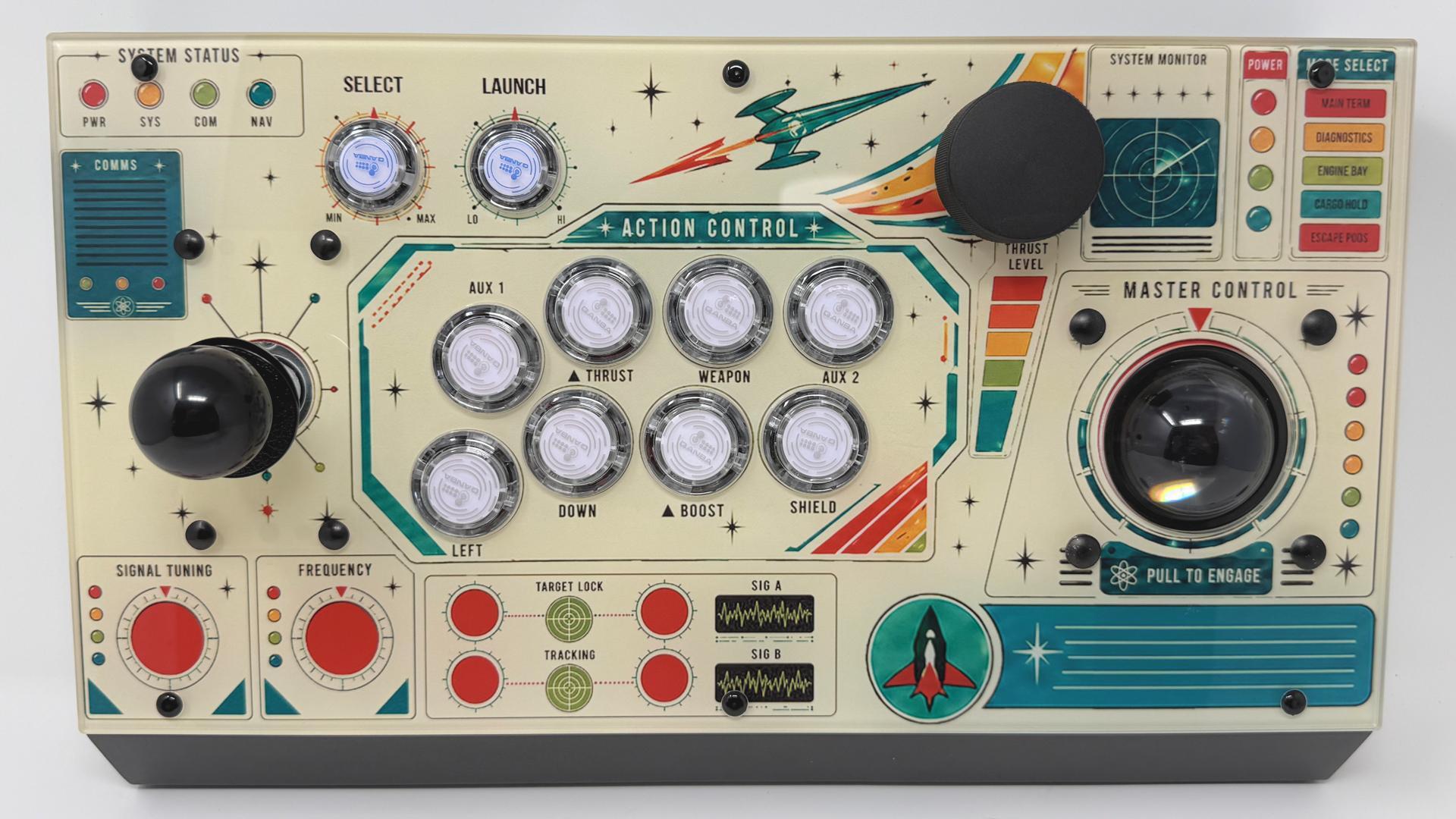
Arcade sticks sit at an interesting point between old-school play and modern controller design. Their buttons and joystick echo the familiar arcade setup, while the R10 Pro adds two controls associated with other kinds of arcade games: a spinner and a trackball. That combination gives the stick a broader range of possible uses than a basic fighting-game controller. The earlier six-button R10 Pro was tested with an average lag result below one millisecond, and it worked through a single USB cable. Those details come from the prior review, so they provide useful context for this artwork edition, but they are not a new test result for every version mentioned here. The special edition’s main draw is its artwork, and the eight-button model also gives players a choice beyond the six-button layout. For a retro setup, that makes the question less about chasing a single ideal configuration and more about which controls and look suit the games you actually play.
Why It Matters
The hands-on comparison points to a straightforward way to choose between the six- and eight-button versions: consider whether you expect to use the extra pair. The eight-button model felt very similar to the six-button one, so the reviewer’s early impression is that either can make sense depending on a player’s needs. That is a practical starting point, though the source does not give a final verdict after extended use. The artwork edition also brings a visual change that may matter to people who want their arcade controller to feel personal as well as functional. Two other details are still being explored. Fightbox supplied a non-slip bottom, sold for $15, which appears suited to players who balance the stick on their legs and want it to stay in place. The reviewer also borrowed a model with light-up buttons. Those buttons look striking, but there is no settled judgment yet on how they feel over time or whether they will replace a preference for Sanwa buttons. Treat those as questions under review, rather than confirmed advantages.
Z-retro View
This edition is easiest to understand as a choice within the R10 Pro range, not as a wholly different controller. The prior six-button review supplies the available performance context, while the new hands-on look focuses on artwork, the additional buttons, the optional base and illuminated controls. That distinction helps keep expectations clear: one earlier test reported very low average lag and one-cable operation, but the source does not claim that this visit retested those points. For buyers, the most useful decision is probably a simple one. Pick the button count that matches the games and habits you have, then decide whether the special artwork or light-up buttons appeal to you. If you play with the stick resting on your legs, the new base may be worth watching for a fuller demonstration, since it has not yet been installed and tested in the account here. The reviewer plans to do that during an upcoming livestream and also wants more time with the illuminated controls. Until then, the R10 Pro’s mix of arcade inputs and the artwork are clear reasons to take a closer look, while the feel of those newer details remains open.