

PlayStation players are looking closely at a possible new restriction on digital PS4 and PS5 games. The concern is simple but serious: some newly bought games may need to check in with Sony’s servers at least once every 30 days, or they may stop launching until the license can be verified again.
That has made the preservation crowd especially uneasy. Digital libraries already depend on storefronts, accounts, and servers in ways that boxed games often did not. If a purchased game needs a regular online check, players are asking what happens years from now, when hardware is older, services change, or a console is kept offline as part of a personal archive.
What Players Are Seeing
The latest wave of attention began when the game preservation-focused account Does It Play described a possible major DRM problem. According to the account, all new PlayStation Network purchases now appear to have a 30-day validation countdown. The point they stressed is important: this is not about PlayStation Plus titles claimed through Sony’s subscription service. The concern is about fully purchased digital games from the PlayStation storefront.

That distinction is why the reaction has been so sharp. Subscription games are already understood to depend on an active service or membership status. A game bought outright from the store carries a different expectation. Even if it is digital, many players still think of it as something they should be able to open on their console without a rolling timer hanging over it.
How The PS5 Tests Worked
Other users then began checking whether the same behavior appeared on PS5, where the change is not instantly obvious. YouTube creator Spawn Wave tested the issue with two newly purchased digital games, one physical game, and another digital game bought less recently, identified in the test as Crimson Desert. Simply disconnecting the console from the internet did not immediately cause a problem, likely because the license window had not yet expired.
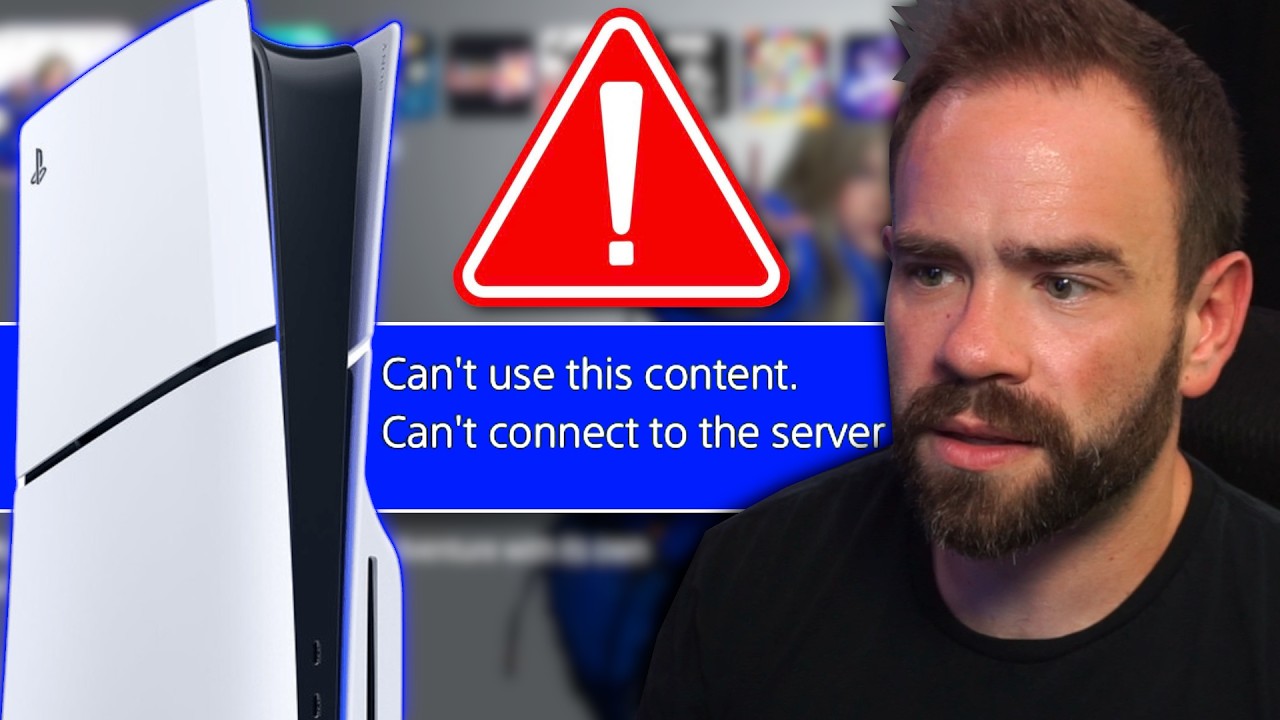
To push the test further, Spawn Wave removed the CMOS battery, which in theory can simulate a console being outside that validation period. With the PS5 offline and the battery removed, the two newer digital purchases would not start. The console showed a license message saying it could not connect to the server to verify the license and asked the user to try again later.

The other two games in that test behaved differently. The physical game and the older digital purchase did not show the same lockout in the reported test. That contrast is one reason players are focusing on when a game was bought, rather than assuming every digital PlayStation game is affected in the same way.
March 2026 Appears To Matter
Hikikomori Media has reported findings that line up with Spawn Wave’s test. Their claim is that fully purchased games bought after March 2026 can be blocked if the player cannot connect to Sony’s servers to restore licenses. They also say the change is not retroactive, meaning games purchased before March 2026 can still launch under the tested conditions.
That leaves a few big questions open. It is not yet clear whether the March 2026 line is the full picture, whether every account or region behaves the same way, or whether Sony will explain the change directly. For now, the reports point toward a split between newer purchases and older ones, which is enough to make longtime collectors pay attention.
One PS4 Report Adds A Twist
There is also an interesting PS4 report from a ResetEra user. They claim a recent purchase first showed a temporary license, but that the license later changed automatically to an indefinite one after 16 days. That timing matters because it sits outside the 14-day refund window. The user speculated that the system could be connected to refund behavior, possibly to stop people from buying a game, grabbing the license, and then trying to keep access after a refund.
That idea is only speculation from a forum user, so it should be treated carefully. Still, it gives one possible reason why a temporary license might appear at first and then change later. It also shows why the situation is hard to judge from the outside: a technical license rule can look very different depending on whether it is meant to prevent abuse, manage refunds, or control long-term access.