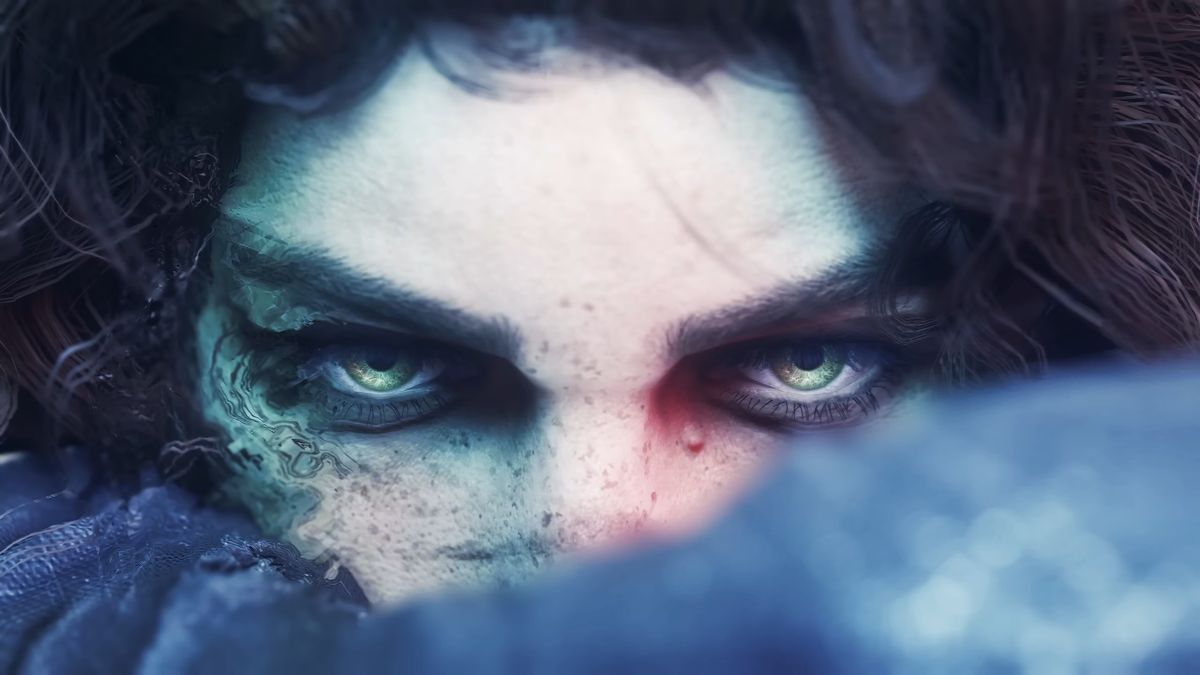
Clair Obscur: Expedition 33 has earned strong attention from players and critics, and a major reason is its battle system. Sandfall Interactive's French RPG keeps a turn-based heart, but it adds moments that ask for quick timing, such as parrying enemy attacks and landing combo inputs at the right beat. That mix has made the game feel familiar and fresh at the same time.
Naoki Hamaguchi, the director behind Final Fantasy 7 Remake and Final Fantasy 7 Rebirth, has offered a wider way to think about this kind of design. After leading two large JRPGs that moved heavily toward action, he sees hybrid combat as something that may have been waiting to happen. In his view, action games have become more common in the mainstream, while RPGs and JRPGs are often discussed as older, legacy-style genres.
Turn-Based Still Has Power
That does not mean Hamaguchi treats turn-based combat as outdated. His point is more careful than that. Turn-based systems still have clear strengths: they let players plan, read the field, and make decisions without constant pressure. The challenge for newer RPGs is finding ways to keep that strategic pleasure while also fitting the habits of players who are used to games moving in real time.
Hamaguchi has noted that younger players increasingly favor real-time experiences. That matters because many of them have grown up with games where movement, defense, and attack timing are part of the basic language. So when an RPG adds a timed parry, a reactive input, or a flashier rhythm to a turn, it is not always abandoning the old format. Sometimes it is simply speaking to a wider set of players.
Modern Examples Show The Pattern
Atlus offers useful examples of how turn-based games can feel faster without turning fully into action games. Metaphor: ReFantazio uses an out-of-combat system that can instantly remove weak enemies with one strike, cutting down on fights that would otherwise feel repetitive. In a way, it flips the old random encounter feeling on its head, letting players skip battles that no longer need a full tactical exchange.
Persona 5 is another good case. Its battles are turn-based, but its menus feel snappy, stylish, and active. Choosing commands becomes part of the game's energy rather than a pause in it. Honkai: Star Rail also shows how a turn-based game can add reactivity, since players can charge and trigger ultimate abilities during enemy turns, changing the shape of a fight before their next normal action arrives.
What These Games Have In Common
- They try to make turn-based combat look and feel lively, not static.
- They reduce wasted time where possible, especially in low-stakes encounters.
- They add moments of response or timing without always becoming full action games.
- They keep strategy visible, even when the presentation becomes faster or flashier.
It would be too simple to say these choices were all created because action fans suddenly needed to be won over. The trend feels broader than that. Still, the timing is hard to ignore. When many players are used to quick feedback and constant motion, RPG designers naturally look for ways to make menus, turns, and tactical choices feel more immediate on screen.
Kenichi Goto, lead battle planner on Metaphor: ReFantazio, has also made an important distinction. The one-hit system was not designed to make the game more action-based. Earlier versions apparently pushed too far and harmed the whole balance, which shows how delicate this work can be. Speeding up an RPG is useful only if it does not bury the qualities that make turn-based play satisfying in the first place.
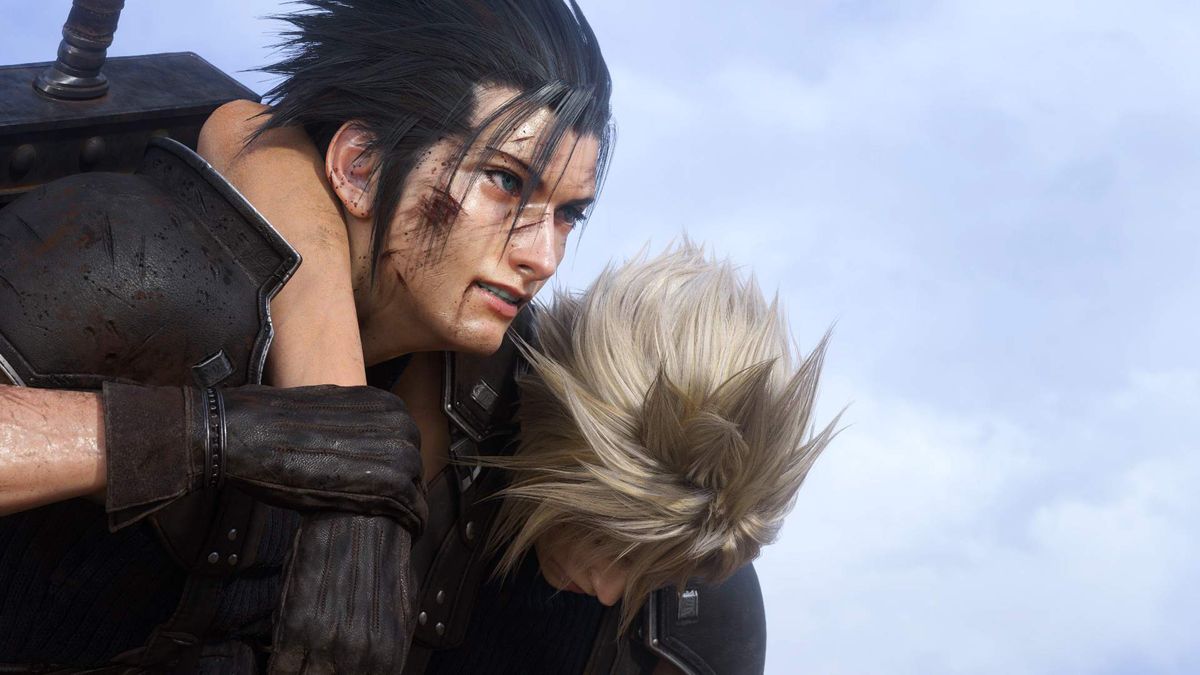
Final Fantasy 7 Remake and Rebirth sit right in the middle of this conversation. They keep some of the original Final Fantasy 7's strategic DNA, but they are action RPGs first and foremost, closer in spirit to the modern direction also seen around Final Fantasy 15 and Final Fantasy 16. Even so, Hamaguchi has stressed that future Final Fantasy games do not have to follow the same combat model, or even use action combat at all. At Z-retro, that feels like the healthiest view: RPG combat is not moving down one fixed road, but the best modern games are learning how to respect old rhythms while making battles feel alive today.