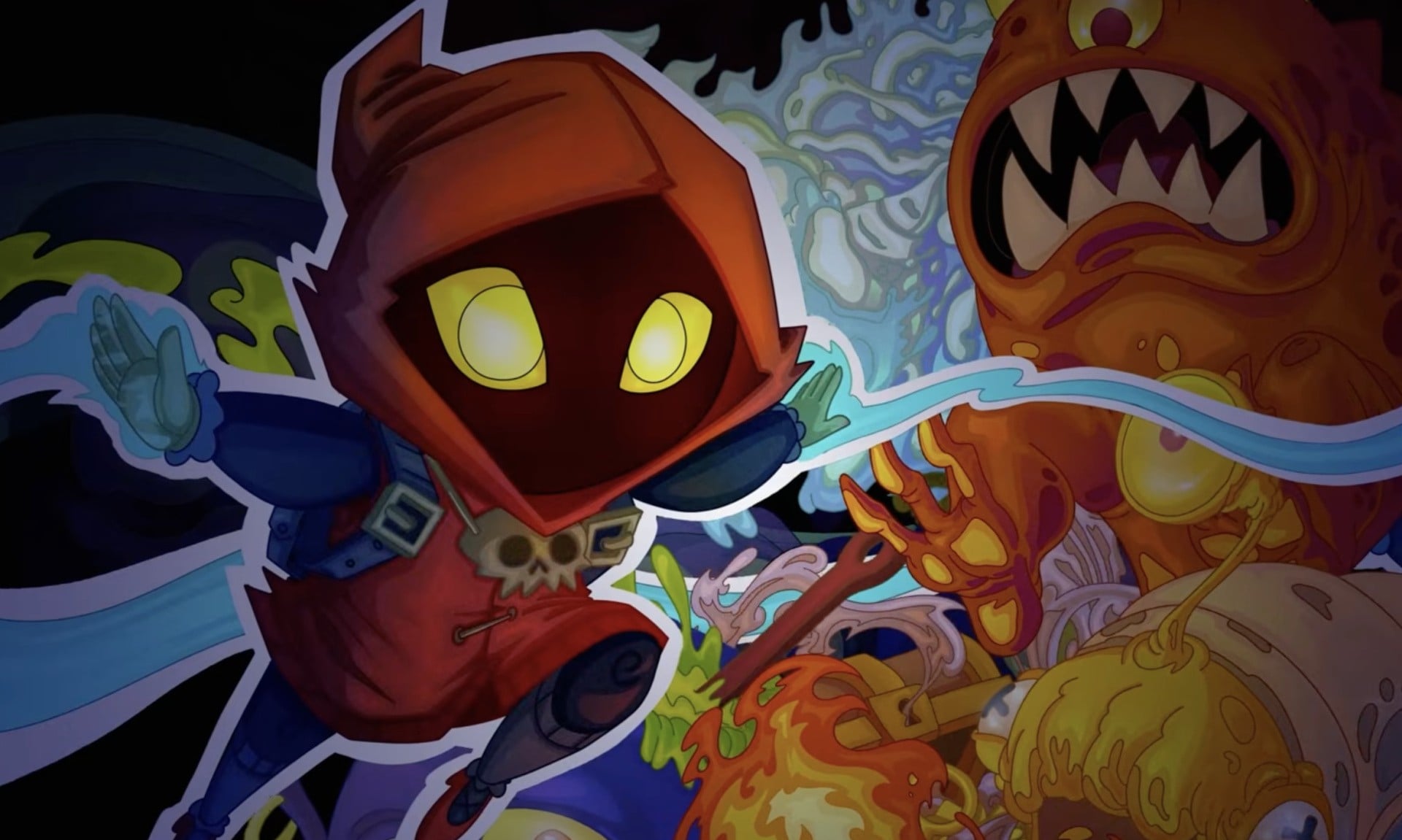
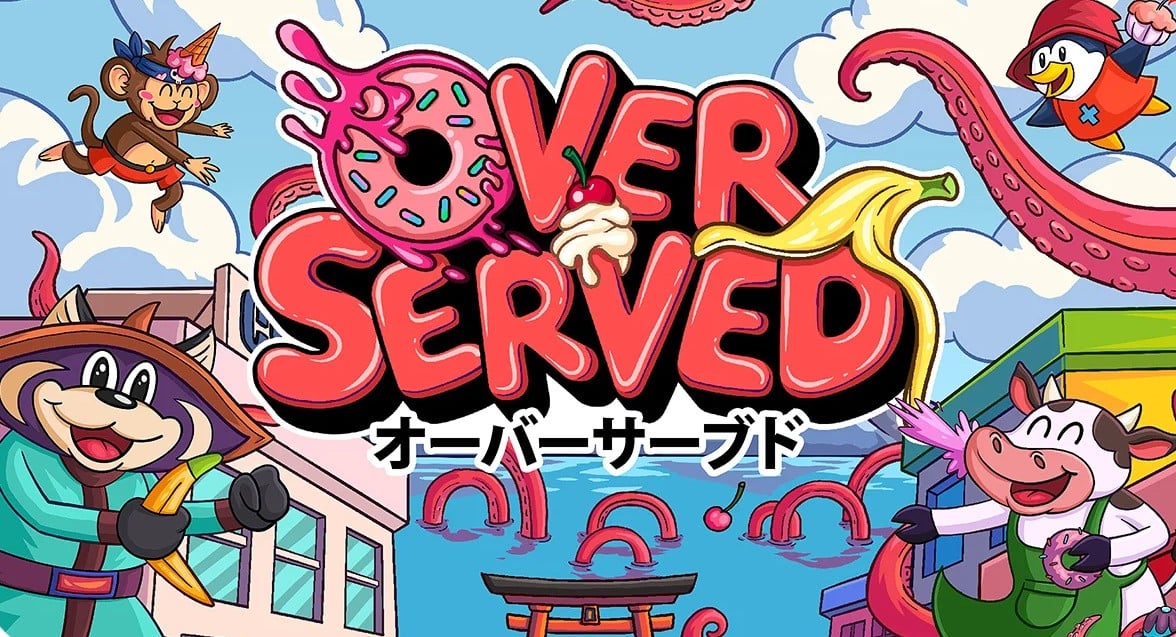
Overserved: Food Fighters is one of those modern Neo Geo projects that makes you stop and look twice. At first glance, it sounds easy to understand: a bright, playful party game where cute characters throw food around rather than hurting each other. Look a little closer, though, and the project becomes far more unusual. FULLSET is not only making a new multiplayer game for classic hardware. The team is also building custom cartridges, exploring Wi-Fi features, preparing a Sega Saturn version, and working on a Neo Geo multitap designed to let eight controllers connect to both AES and MVS systems.
That mix of cheerful game design and serious hardware work is what gives Overserved its strange charm. The project lead, Sascha Reuter, describes it as something born from a wish for a new take on the spirit of Saturn Bomberman. The goal is not to make a hard-edged arena battle or a niche showpiece that only makes sense to collectors. The idea is to build a party game that can sit comfortably in a family room, with simple appeal, friendly characters, and support for many players. In Z-retro terms, it is very old-school in mood, but not shy about using modern tricks where they help.
A Late Neo Geo Beginning
Reuter did not grow up with the Neo Geo in the way many arcade fans did. He was born in the 1980s, so the timing was right, but his part of Germany did not offer much arcade culture. That meant the Neo Geo arrived later for him, more as a dream machine to discover than as a cabinet he had already spent years playing. Before his Neo Geo work took shape, he had tried building games on the Amiga 500. Those early experiments gave him a taste for making things on older hardware, but his first serious path toward a finished project began much later, in 2019, with a version of Project Neon made for Pico-8.
Project Neon became the bridge between small-scale game tinkering and classic console development. Reuter took what he had made in Pico-8, picked up GBDK, and moved the game across to the Game Boy. He then brought that version to a local demo scene event and entered it in a competition, where it went well enough to give him confidence. From there, the natural question became bigger: if he could take the idea from Pico-8 to Game Boy, could he move it to one of his favorite systems, or even to arcade-style hardware? That question eventually pushed him toward the Neo Geo.
Some of Reuter's older videos still show that learning stage in motion, with something that looks like a Game Boy Color game running on Neo Geo hardware. It was a practical period of testing, poking, and figuring out what was possible. He also needed collaborators, especially for music. That search led him to Freezedream, a musician who had previously worked on Tanglewood and who, like Reuter, was based in Australia. Project Neon therefore became more than a single game idea. It became the foundation for FULLSET's wider approach: start with a real playable concept, then slowly push it further onto hardware that was never the easiest place to make new games.
Why A Food Fight?
Overserved grew from a very clear wish: Reuter wanted something that could feel like a new successor to Saturn Bomberman. That inspiration matters because Saturn Bomberman is remembered not only for its action, but for the social shape of it: lots of players, quick rounds, and a party feeling that works best when a room is full. FULLSET's twist is to move that energy into a food fight. The theme keeps the tone light. The characters can be cute. The action can stay competitive without becoming harsh. Nobody is meant to be seriously hurt, which fits the goal of making the game easy to understand and approachable for different kinds of players.
The accessibility goal is not only about the game's look. Reuter also wants Overserved to run across as many platforms as makes sense. That is part of why the project reaches beyond Neo Geo alone and includes Sega Saturn versions as well. The game is being shaped around the idea that more people should be able to gather around it, whether they are playing on original Neo Geo hardware, a Saturn, or another supported setup. That is a very practical reading of retro development: the machine matters, but the shared play session matters too.
The FSNG-1 Cartridge
The Neo Geo side of the project depends on a custom cartridge called the FSNG-1. Its roots connect back to the work around Project Neon, when the question of how to make and ship cartridges became unavoidable. Reuter ended up working with programmer Furrtek on the design, and the cartridge idea kept expanding. What began as a way to support a Neo Geo release has become a platform of its own, with support planned for Wi-Fi updates, online play, high scores, and local saving of player settings. The cartridge also has Bluetooth hardware, though that side has not been enabled yet.
For a modern Neo Geo release, those features are a big statement. Over-the-air updates are normal in current games, but they feel almost surprising when attached to a cartridge for hardware from another era. Online play and high scores also fit the same pattern: they do not replace the appeal of original machines, but they can make those machines feel easier to live with in the present. Local saving for settings is another small but important quality-of-life feature. It suggests that FULLSET is thinking about the full experience around the game, not just the game code running on a board.
Eight Players On Neo Geo
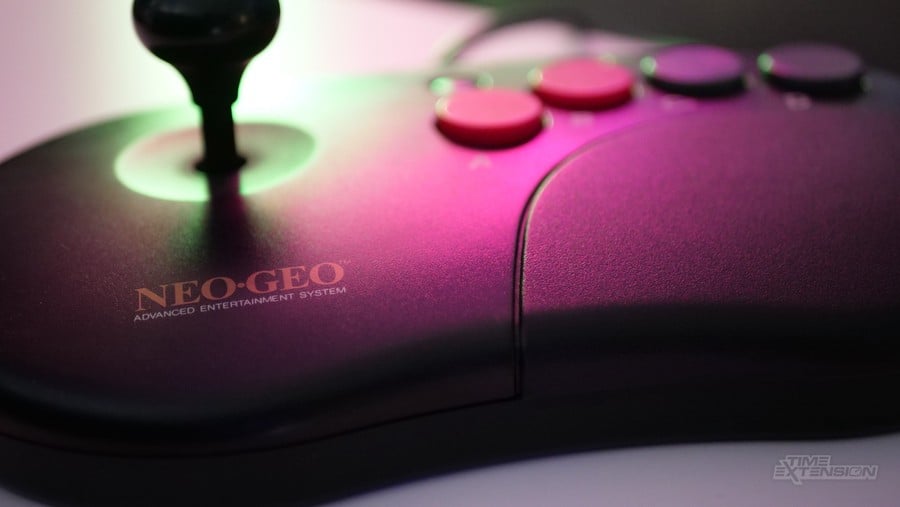
Overserved's party-game idea also explains the new Neo Geo multitap. Reuter points back to Bomberman history here: older versions, including those on the Super Nintendo, used multitaps to bring in more players. Since Overserved is shaped by that multiplayer tradition, the hardware question followed naturally. Furrtek was involved here as well, with the technical know-how to make the idea happen. In earlier times, a Neo Geo multitap would have had a limited market because there were not many reasons for it. A game built around large local sessions gives the accessory a clearer purpose.
The target is ambitious: connect eight controllers to both Neo Geo AES and MVS. That detail is important because it covers the home console side and the arcade board side of the platform. It also means the project is not treating the Neo Geo as a single fixed box. FULLSET is thinking across the different ways people own and use the hardware. For a party game, eight-player support is not just a technical badge. It changes the kind of room the game can create, turning Overserved from a simple two-player retro release into something closer to a shared event.
There are also more flexible possibilities being explored. Reuter says the setup could theoretically allow a mix of inputs and connections. A player group might use one multitap while some people join through Bluetooth, because the pieces for that are technically present. That specific path is not finished and tested yet, so it should be treated as a possibility rather than a promised feature. The same cautious framing applies to players joining from the internet or even through their own local server. The direction is clear, but FULLSET is careful about what has actually been completed.