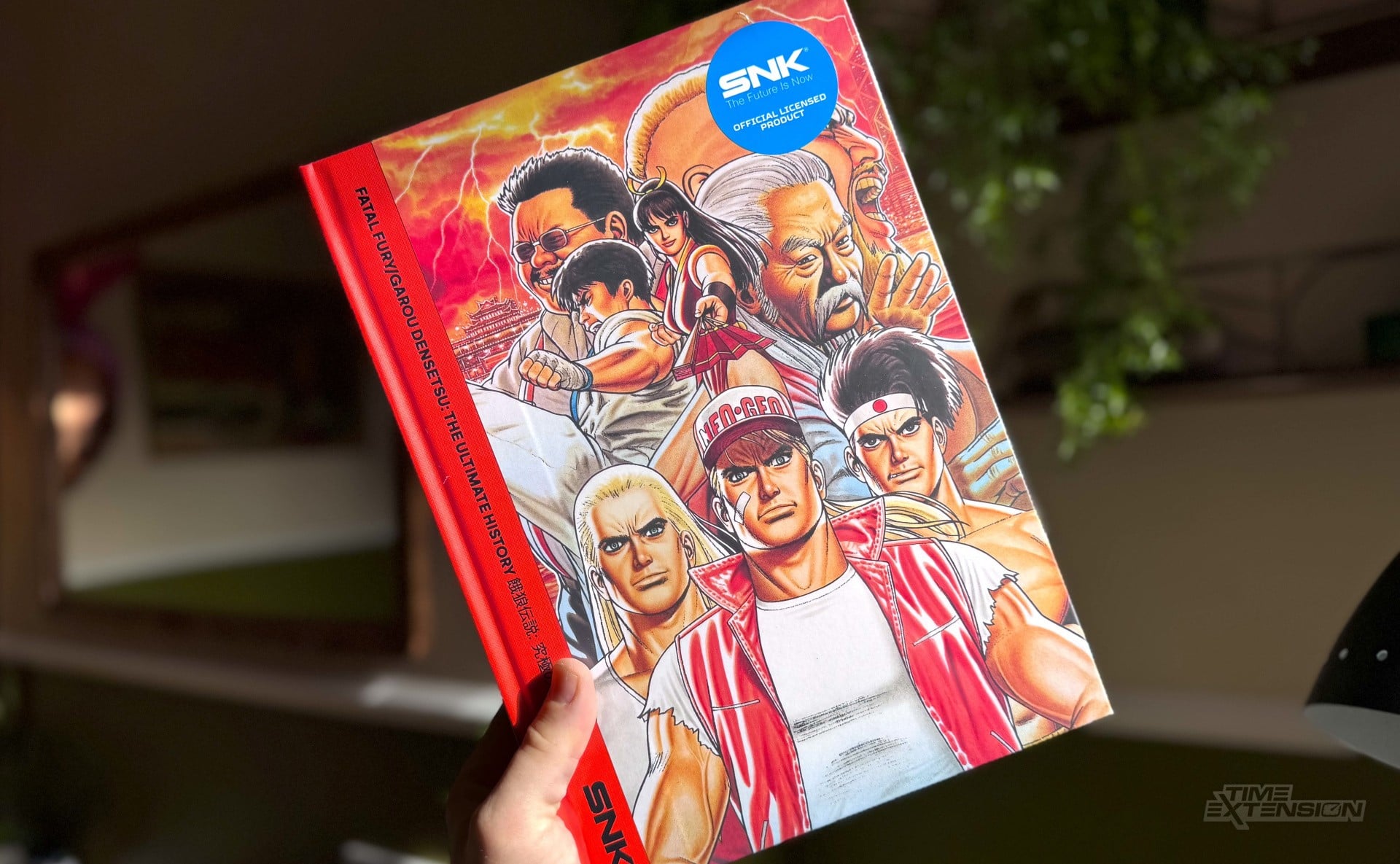
The first meeting with Fatal Fury is the kind of arcade memory that tends to stay bright. The original game appeared in a video rental store that also had a row of arcade cabinets, a clever way to keep children busy while parents looked for a film. Among the standard machines and Neo Geo setups, SNK's fighter stood out immediately.
For players who discovered it in that setting, Fatal Fury had a different pull from the other one-on-one games of the period. Terry Bogard and the rest of the cast made SNK's world feel bold, punchy, and full of character. Even when Takara's SNES port arrived in Japan and proved disappointing, the affection for the arcade original was hard to shake.
A Series With Its Own Identity
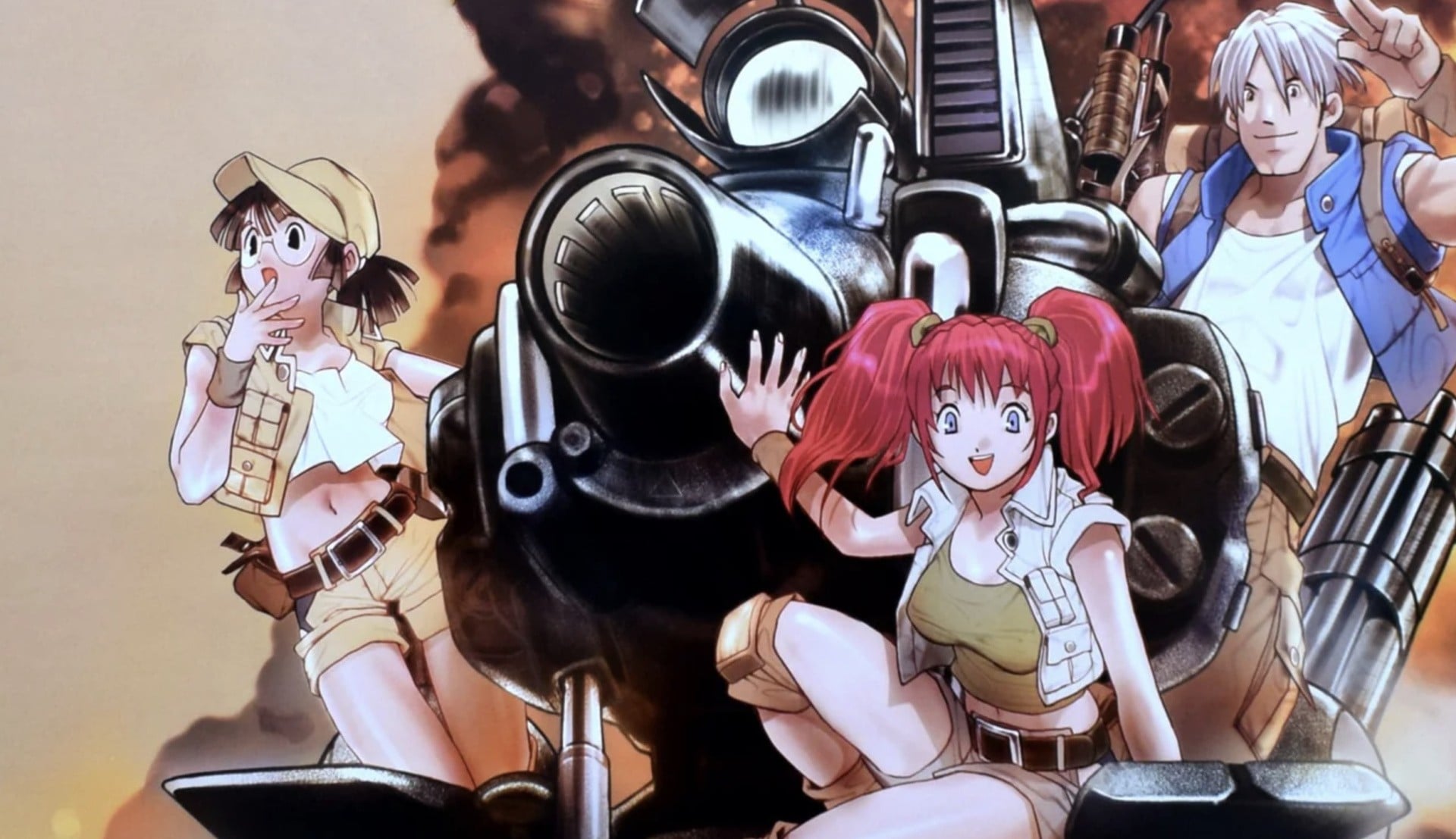
Bitmap Books' new Fatal Fury volume follows that feeling through the wider history of the series. Like the publisher's earlier books on King of Fighters and Metal Slug, it treats the subject as more than a list of releases. The book tracks the franchise all the way up to the decent but controversial City of Wolves, while showing how the games changed across the years.
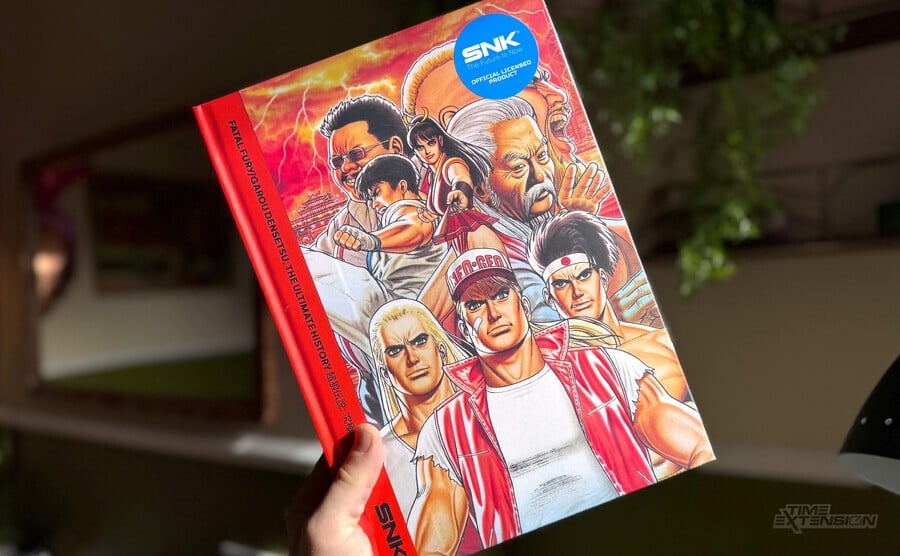
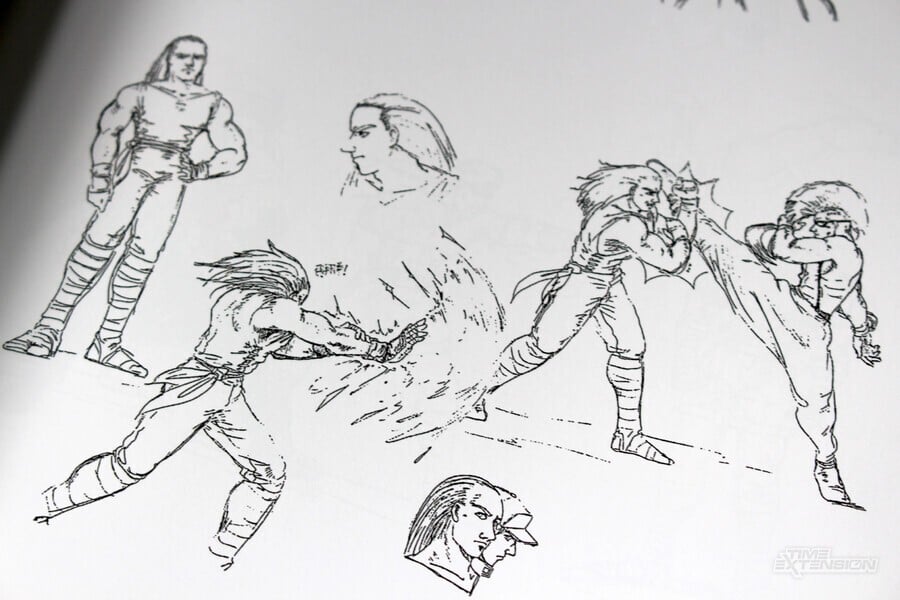
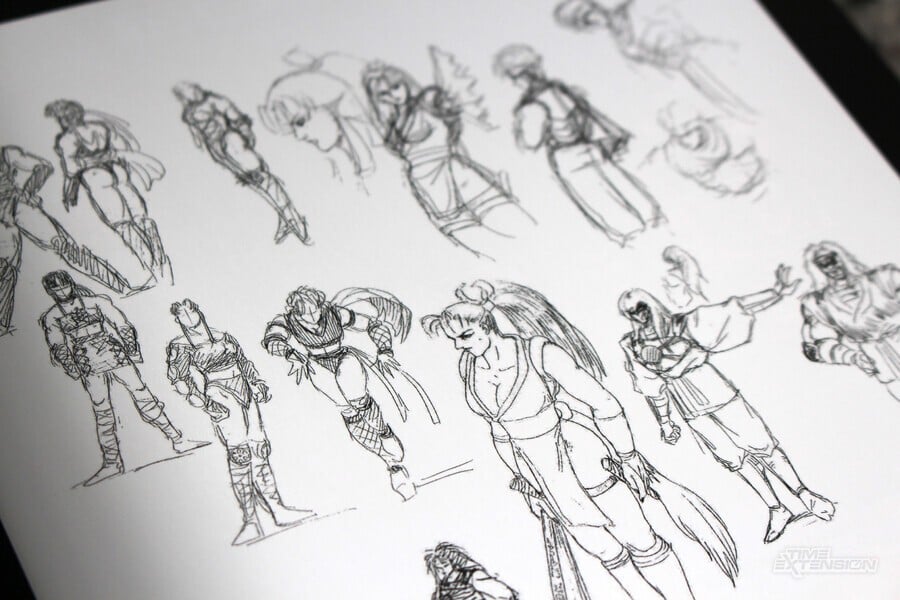
The presentation sounds very much in line with Bitmap Books' usual retro craft. The guide includes official artwork, concept drawings, and a generous spread of custom screenshots. For a series built on expressive fighters, big poses, and memorable stage energy, that kind of visual treatment matters as much as the written history.
New Voices From SNK
The book also includes fresh interviews with important people connected to Fatal Fury. The named contributors include Hitoshi Okamoto, Youichiro Soeda, Nobuyuki Kuroki, Takeshi Kimura, and Yasuyuki Oda, SNK's Chief Producer of fighting games. Their involvement gives the guide a direct line back to the people who helped shape the series and its later reputation.
One notable absence is series creator Takashi Nishiyama, who was not interviewed specifically for this book. Even so, the volume points to an earlier interview with him that captures why Fatal Fury matters so much in fighting game history: after Street Fighter, he and several members of that development team moved to SNK and used Fatal Fury to explore ideas they had not been able to put into Capcom's game.
For Nishiyama, Fatal Fury was his personal Street Fighter I, while the actual Street Fighter I was simply Street Fighter I.
That comment helps explain why Fatal Fury still feels special rather than simply adjacent to Street Fighter II. It came from a related creative path, but it built its own rhythm, cast, and SNK flavor. Since Bitmap Books has already given King of Fighters its own spotlight, this Fatal Fury guide works as a natural companion, covering a franchise that developed alongside its stablemate while keeping a separate personality.
A small practical note: some external purchase links connected with books like this may be affiliate links, meaning a site may receive a small share of a sale. Z-retro's view is simple: for Neo Geo fans, this looks like a careful, image-rich way to revisit Fatal Fury, best approached as both a collector's item and a piece of fighting game history.