
L.A. Noire is 15 years old today, and it still feels like one of the stranger, braver games from the PlayStation 3 years. Developed by Australian studio Team Bondi and published by Rockstar in 2011, the 1940s crime adventure tried to make detective work the main attraction rather than a side activity.
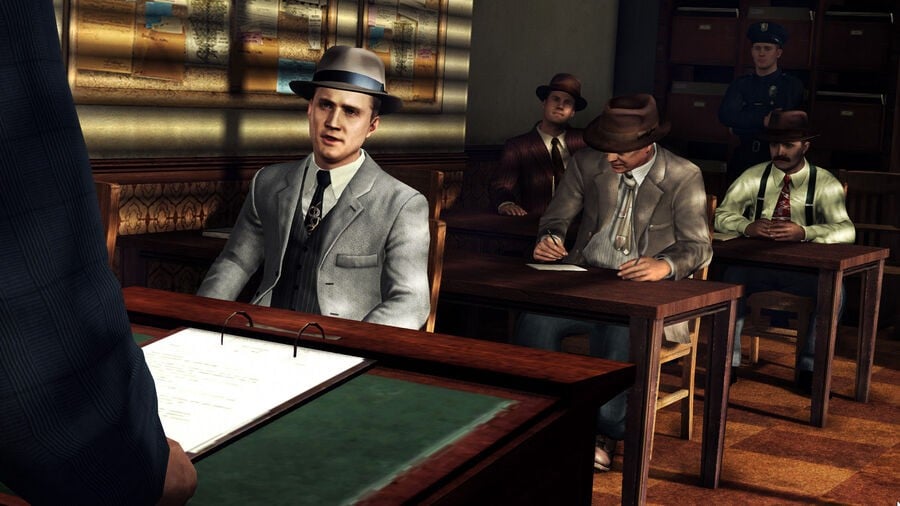
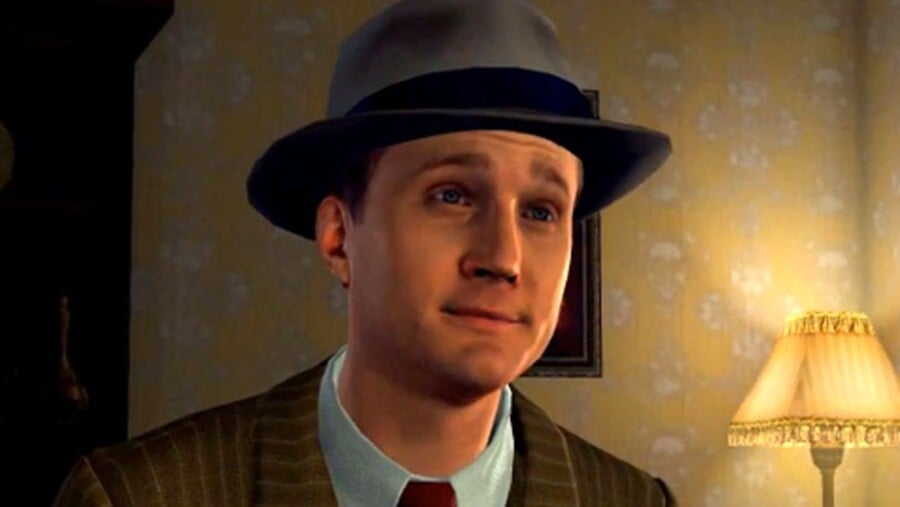
Its big idea was the face. Team Bondi used a large camera setup that could shoot actors at up to 1,000 frames per second, picking up small changes in expression. Those details became part of the game itself, as players watched suspects for nervous looks, facial twitches, and other little signs that might open fresh paths in questioning.
At the time, that made L.A. Noire feel very different. The performances were not always subtle, and the actors often pushed their reactions so the system would be easy to read, but the result worked in an old-school detective way. You were not just following a marker or collecting clues. You were studying a person across the desk and trying to decide what did not add up.
That technology also came with limits. Because the facial capture relied on a complicated camera array, actors had to keep their bodies still while delivering lines. The body motion was recorded separately and then matched with the face work later. That split helped create the game's famous expressions, but it could also leave some scenes looking stiff or awkward.
The wider city had a similar mix of style and restraint. Director Brendan McNamara had worked on The Getaway games for PS2, and L.A. Noire shared some of that mood: a strong sense of place, heavy atmosphere, and a sandbox that looked convincing even when there was not a huge amount to do inside it.
Even now, the noir presentation holds up in memory. In 2011, L.A. Noire was one of the sharper-looking games on PS3, with streets, offices, bars, and crime scenes that sold its period setting well. The downside is clearer with time: much of the open world functioned more like scenery around the cases than a place full of meaningful interaction.
Some later Complete Edition re-releases would address a launch issue that had caused debate around the original version, but the core appeal of the game was always in its cases. Cole Phelps did not always behave the way players expected, yet he remained a memorable lead, and several investigations gave players the satisfying feeling of piecing together a case from evidence, interviews, and instinct.
L.A. Noire also has an unusual afterlife. Some players met it first on PS3, while others came to it later through PS4 or even PSVR. However people found it, the game remains tied to one very PlayStation-era idea: sometimes a bold, slightly uneven experiment can be more memorable than something cleaner and safer.
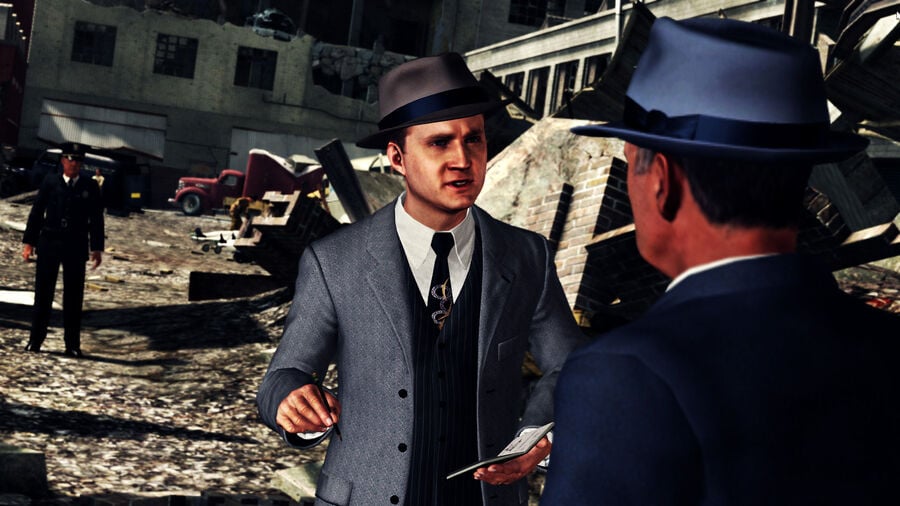
Z-retro's view: L.A. Noire is not perfect, but its ambition still matters. Its facial capture, detective rhythm, and smoky 1940s mood make it worth remembering as a distinctive PlayStation crime story.