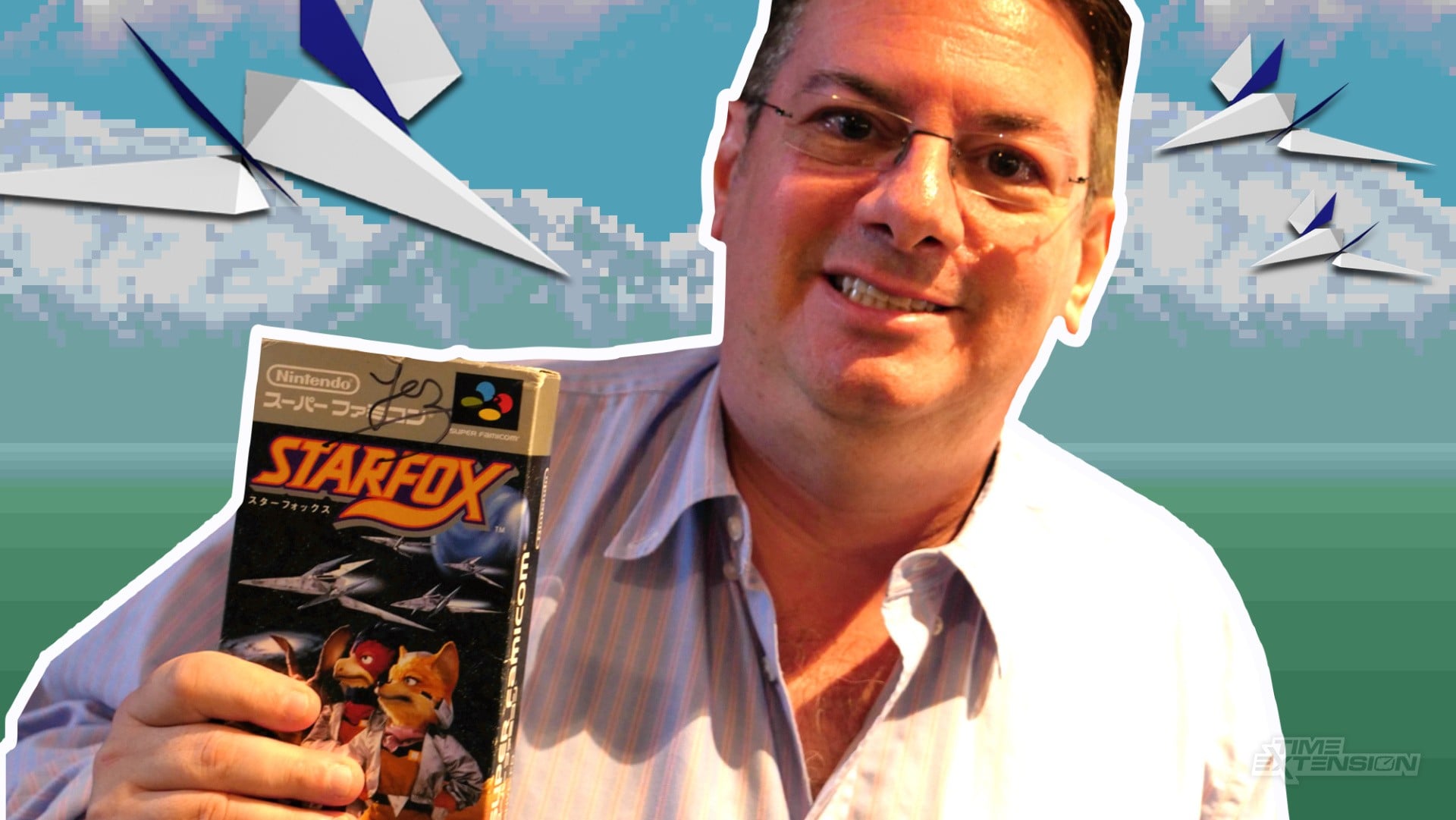
The surprise reveal of a new Star Fox outing makes this a good moment to look back at one of the series' most unusual roots. Star Fox is often remembered as a Nintendo showcase, but part of its story runs through Argonaut, a British studio that built its name on bold 3D experiments long before that kind of work felt ordinary on home hardware. At the center of that story is Jez San, whose early career moved from teenage bedroom coding to company-building, publishing deals, and eventually a close technical relationship with Nintendo.
Argonaut later became one of the best-known software and technology firms in the United Kingdom. Its work reached beyond one console or one game, and the company went on to work with major names including Philips and Apple. The business did not last forever. In 2004, Argonaut fell to the pressure of a changing market. San's career then moved into other areas. He founded PKR in 2005, described as one of the UK's first online casinos, later spent time as an angel investor, and more recently has been working in gaming cryptocurrency through FunFair.
From A Bedroom To A Business
San's entry into games began early, and it came with the confidence of someone too young to be weighed down by the normal rules. He was working on a 3D shooting game that was, at that stage, based on Star Wars and especially the Star Wars arcade coin-op. He even tried to get the rights to that coin-op idea, while keeping quiet about the fact that he was a young kid. That small detail says a lot about the mood of the time: a teenager with a home computer could still try to knock on doors that looked far too big from the outside.
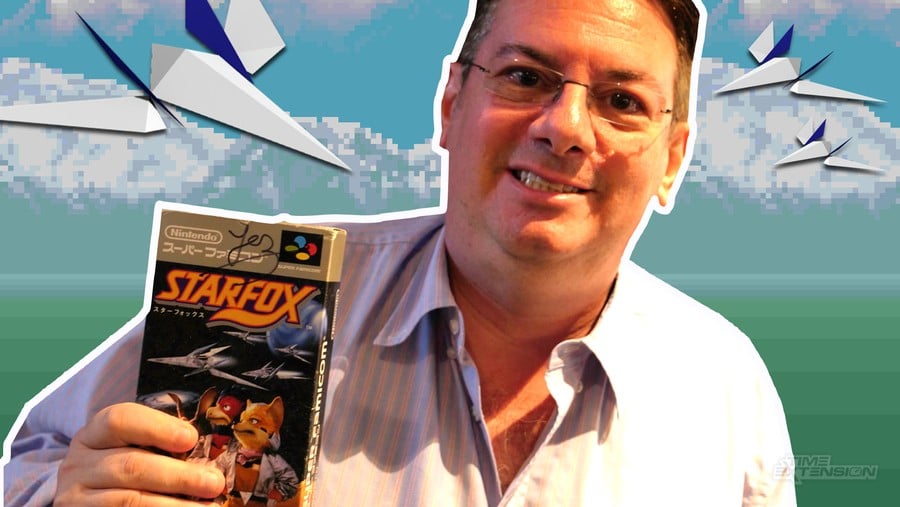
Argonaut itself began in September 1982, though San's first game had already appeared around that period. That game was Skyline Attack, and it was credited to Argonaut Software even though the company may not have been fully formed yet. It was also made with help from a few friends, which fits the early British games scene nicely. Before teams, studios, and production pipelines became standard, many important games were still made by very small groups, often around one determined programmer and a few trusted people nearby.
The Dinner Party That Changed Things
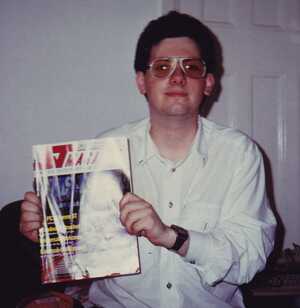
One of the biggest turns in San's early life came through Jacqui Lyons, who became his agent. He met her at a dinner party after arriving as a precocious sixteen-year-old. Lyons was already a successful literary agent, and that background gave San access to a different kind of professional world. At the same gathering, he met important people from the computer games scene. One result was a connection to David Braben and Ian Bell, the creators of Elite on the BBC Micro, who needed a Commodore 64 version and did not know how to make that version themselves.
Lyons' literary background also shaped how some of San's game projects were treated. Because she represented authors as well as game creators, she could bring strong writers into the process. San remembered being perhaps the second game creator she signed, which meant he was part of a new kind of client list. For Starglider, this helped lead to a novella connected to the game. James Follett, the author, did not simply write around a finished product. San would explain his ideas for how the game might work, and those ideas could send Follett in new directions.
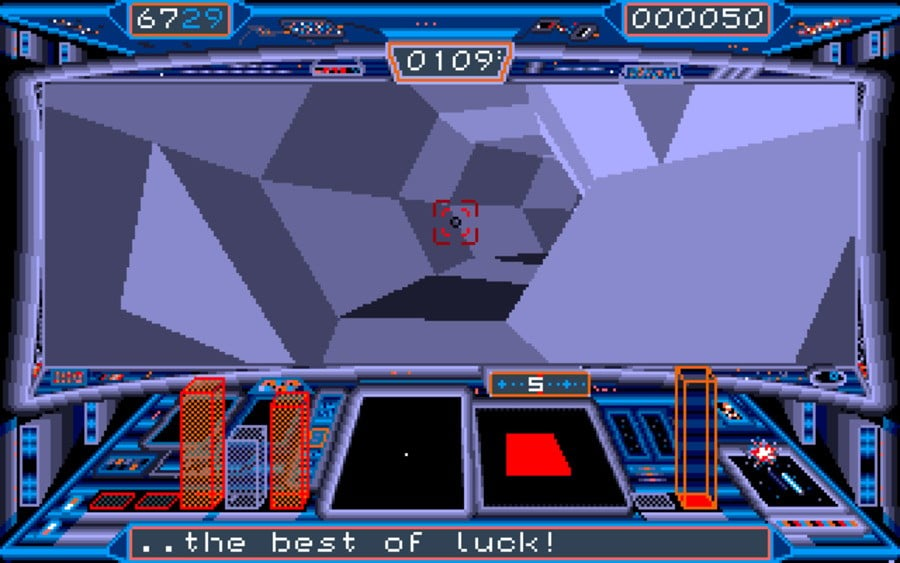
That back-and-forth created a useful loop. San had thoughts about the design, the movement, and the shape of the game, while Follett could take those ideas into story territory. One example was the idea of tunnels through a planet that could let a player move from one end to the other by using gravity. It is a very retro kind of collaboration: technical possibility turning into fiction, and fiction nudging the game world toward something stranger. The result was not just a box with a program inside, but a small world with writing, credit, and a clearer sense of authorship.
A Fair Deal In An Unsettled Industry
The business side mattered too. San recalled the retail price of one release being around GBP 1.95, and he felt the deal was good because Rainbird treated the royalty fairly. The royalty was based on the retail price rather than the wholesale price or discounted figures, which meant the creators received a steadier amount. Lyons also negotiated strongly on credit and copyright. San viewed those points as important, not just nice extras. In an industry that was still learning how to treat game makers, names on the box and rights behind the work could make a real difference.
San was clear that this kind of arrangement was not normal, and he felt that conditions later became worse for game authors. At that moment, though, he had a deal he considered fair while still being, in his own words, just a kid at home in his bedroom writing games. Starglider sold 300,000 copies, which was serious money for a young creator working from home. The success gave him a choice. He could keep the money and enjoy it personally, or he could turn it into something larger. He chose the larger route.
At the time, several well-known British developers were still working largely on their own. San mentioned people such as David Braben, Ian Bell, Archer Maclean, and Jeff Minter as examples of creators who were solo or close to solo in their working style. San decided to put his money into a company and build a team. He saw himself as one of the first among his peers to make that move instead of spending the money on something flashy. He later did enjoy fast cars, but at that early point he put the money back into Argonaut.
Why Consoles Were A Challenge
Argonaut was drawn to problems that looked awkward. One big attraction was the technical challenge of making 3D work on machines that were not built for that job. Many consoles of the time did not use bitmapped displays in the way a 3D renderer would want. They were character-mapped systems designed for scrolling backgrounds and foreground sprites. That setup was excellent for side-scrollers and other sprite-heavy games, but it did not naturally suit 3D graphics, where individual pixels often need to be drawn and updated directly. For Argonaut, that mismatch was part of the appeal.
This attitude helped explain why a Game Boy demo could matter so much. Argonaut created a 3D demo for the handheld using software alone, which was a striking thing to show on hardware not normally associated with that kind of display. Nintendo was protective at the time, so approaching the company with an unofficial technical demonstration carried risk. The door could easily have been closed. Instead, the demo became part of a wider conversation that brought Argonaut closer to Nintendo and showed that San's team could make familiar machines do unfamiliar things.