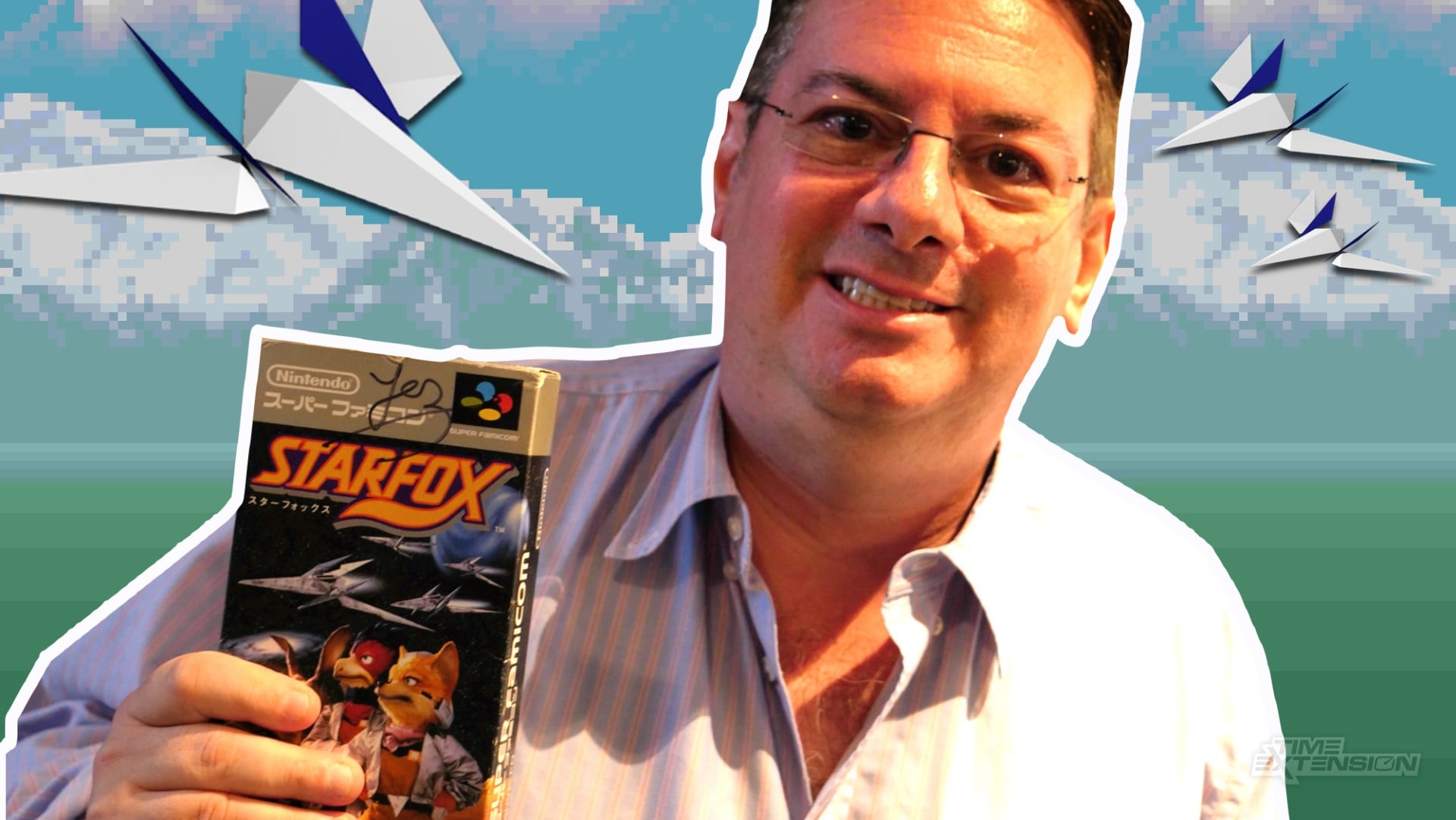
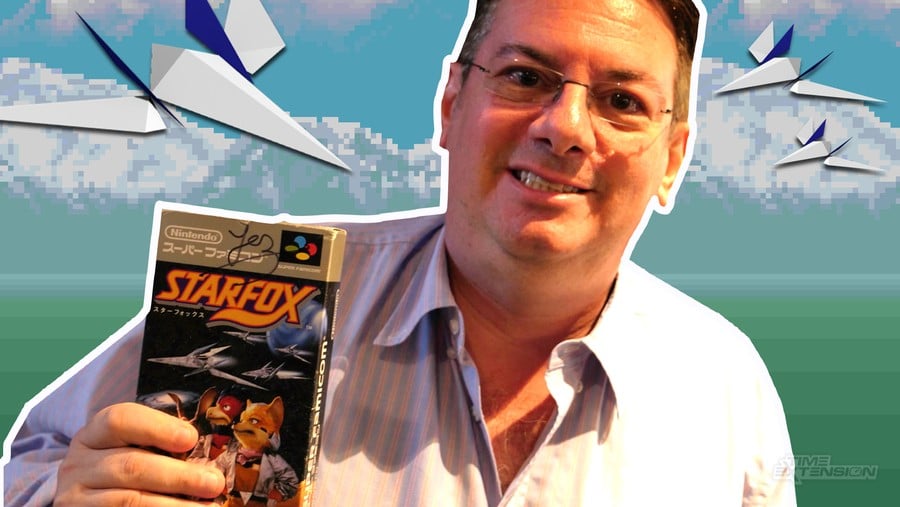
The return of Star Fox to the conversation makes it a good moment to look back at one of the most interesting partnerships in Nintendo history: the link between Jez San, Argonaut, and the technology-minded thinking that helped push 3D graphics onto machines that were never obvious homes for them. San’s story starts well before Nintendo entered the picture. It begins with a teenager in Britain, a love of technical problems, and the confidence to approach the games business as if age was not much of a barrier.
Argonaut later became one of the better-known software and technology companies in the United Kingdom. Its work reached beyond one machine or one publisher, and the company would eventually work with names such as Philips and Apple. Its most famous place in retro gaming memory, though, is closely tied to Nintendo and Star Fox. The company did not last forever. In 2004, Argonaut was hit by the effects of a changing market and came to an end. San’s career did not stop there. In 2005, he founded PKR, described as one of the UK’s first online casinos. After a period as an angel investor, he moved into gaming cryptocurrency through FunFair.
A Teenage Start
San’s entry into the games industry had the kind of boldness that belongs to an early home-computer era. He was working on a 3D shooting game that, at that point, was built around Star Wars. More specifically, it drew from the Star Wars coin-op arcade game. San even tried to get the rights to that arcade title. The striking part is not only that he tried, but that he approached the situation without making a point of telling people he was still very young. In that period, the games business was small enough, loose enough, and hungry enough for talent that someone writing clever code from home could still find a way into serious conversations.
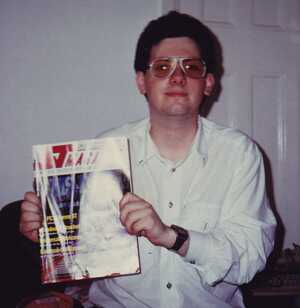
Argonaut itself began in September 1982, but the timing around its first credited game was slightly unusual. Skyline Attack carried the Argonaut Software name, yet San recalled that it probably came out before Argonaut had formally been created. That first game was not made entirely alone, either. He programmed it with a few friends. It gives the early Argonaut story a slightly handmade quality: the name was already appearing, the work was already moving, and the company was forming around activity that had begun before the business structure fully caught up.
Another important early step came through Jacqui Lyons, San’s agent. He met her at a dinner party after turning up as a very young and confident creator. Through that setting, he met people who mattered in the British computer scene. One result was a connection with the creators of Elite on the BBC Micro, David Braben and Ian Bell. They needed a Commodore 64 version, and San became part of that path into commercial game work. It is a very 1980s story in the best sense: personal introductions, bedroom programming, and major opportunities moving through small circles rather than large corporate pipelines.
Games And Books Together
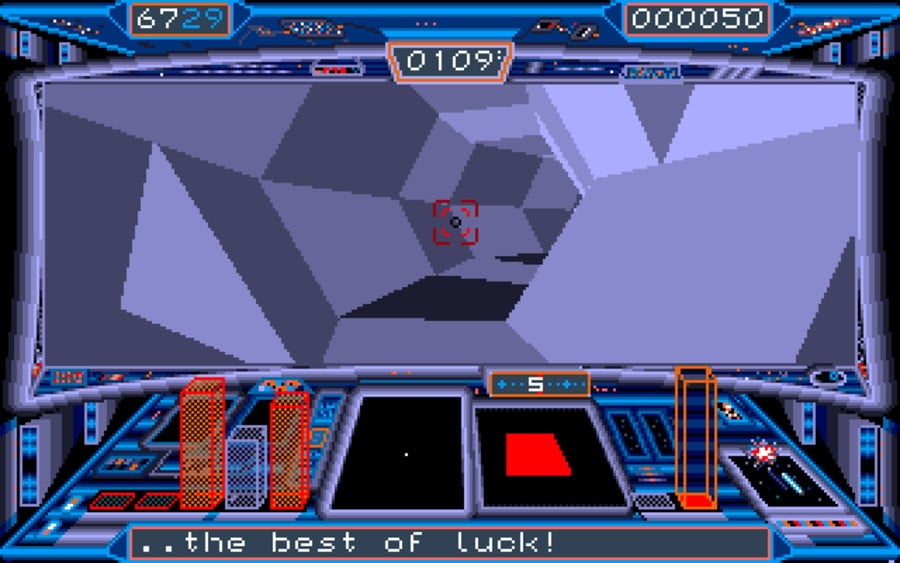
Lyons mattered for more than introductions. She had originally been a successful literary agent, which meant she knew authors as well as games people. San was one of the early game creators on her roster, and that gave him access to novel writers who could help build worlds around games. In the case of Starglider, that connection led to a novella. The relationship between game and prose did not only run in one direction. San would describe how he thought the game might work, and author James Follett would take those ideas and develop new possibilities from them.
That exchange could become a creative loop. San might explain a gameplay idea, and Follett could respond by imagining extra details, such as tunnels inside a planet that could let a player travel from one side to the other through gravity. The point is not just that a story existed beside the game. The more interesting detail is that the two forms fed each other. The game suggested the fiction, and the fiction could send ideas back toward the game. For a retro audience, it is a reminder that boxed games once often arrived with printed material that did more than fill space. Sometimes that booklet, novella, or manual was part of how the world became real.
The business side of Starglider was also important. San recalled the price as probably around £1.95. More importantly, he felt the deal with Rainbird was fair. Royalties were based on the retail price, rather than on wholesale pricing or discounted amounts. That gave the creators a consistent return. Lyons also negotiated terms that San remembered as especially strong: good royalties, clear crediting, and retention of copyright. Those details mattered because they shaped how a young creator could benefit from a successful game without losing the identity and ownership attached to the work.
San was clear that this kind of arrangement was not the norm. In his view, things later became worse for game authors, not better. At that moment, though, he had a deal he considered fair, and he was still essentially a young person at home writing games from his bedroom. Starglider sold 300,000 copies, which made it serious money for someone in that position. The numbers also explain why his next choice mattered. He could have treated the success as personal spending money. Instead, he put it back into building a company.
Building A Team
At the time, some of the best-known British developers were still largely individual creators. San mentioned David Braben and Ian Bell in that context, along with names such as Archer Maclean and Jeff Minter. They were working on their own. San took a different route. He wanted to use the money to build Argonaut as a team. He has described himself as one of the first among his peers to make that choice, rather than simply keeping the money and spending it on something flashy. He did later get fast cars, but at that key moment, the priority was the company.
That decision helps explain why Argonaut became more than a single-programmer name. The company developed around a shared appetite for hard technical problems. One of the biggest was 3D graphics on systems that were not designed for it. Many consoles of the period were not bitmapped machines. They were character-mapped and built around scrolling. Their strengths were scrolling backgrounds and sprites in the foreground. That was ideal for many arcade-style games, but it did not naturally support 3D graphics, where every pixel needed to be rendered individually. For Argonaut, that mismatch was not a reason to avoid the work. It was part of the appeal.
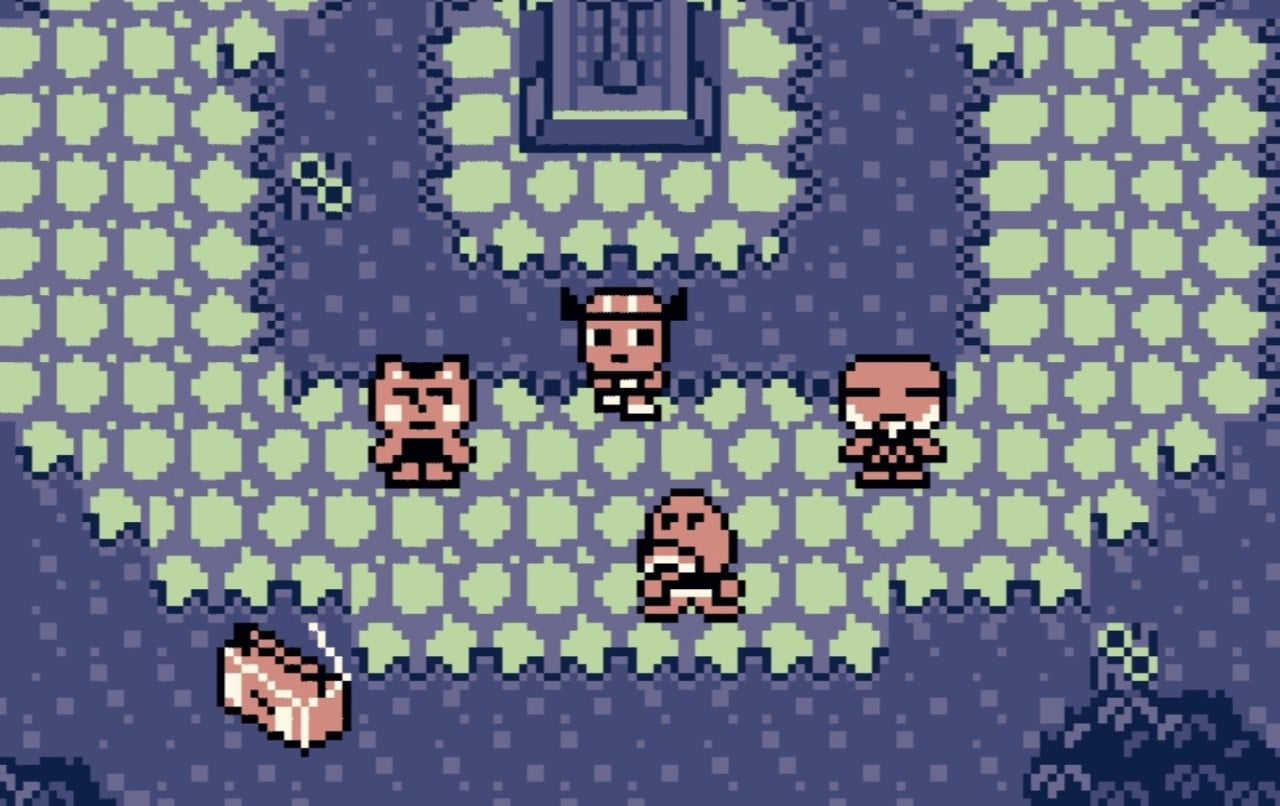
This technical attitude set the stage for the Nintendo connection. Argonaut made a Game Boy demo that got Nintendo’s attention. That mattered because Nintendo was a protective company at the time. It was not obvious that an outside British studio could simply walk in and be welcomed. Nintendo could have closed the door. Instead, the demo opened a conversation. The exact force of the moment comes from how unlikely it was: a small team showing something technically unexpected on Nintendo hardware, and Nintendo taking it seriously enough to keep talking.
After the Game Boy work, Nintendo showed Argonaut a prototype of the SNES, then still connected to the Super Famicom period in Japan. San was allowed to play some Mario, and he was even given a prototype Super Famicom with Super Mario World. He later joked that his claim to fame was being the first person in the world to finish Super Mario World because he had access to it so early and completed it. Tony Harman also had one, and the two would call each other every day to talk through what they were doing in the game, since there were no guides to lean on.