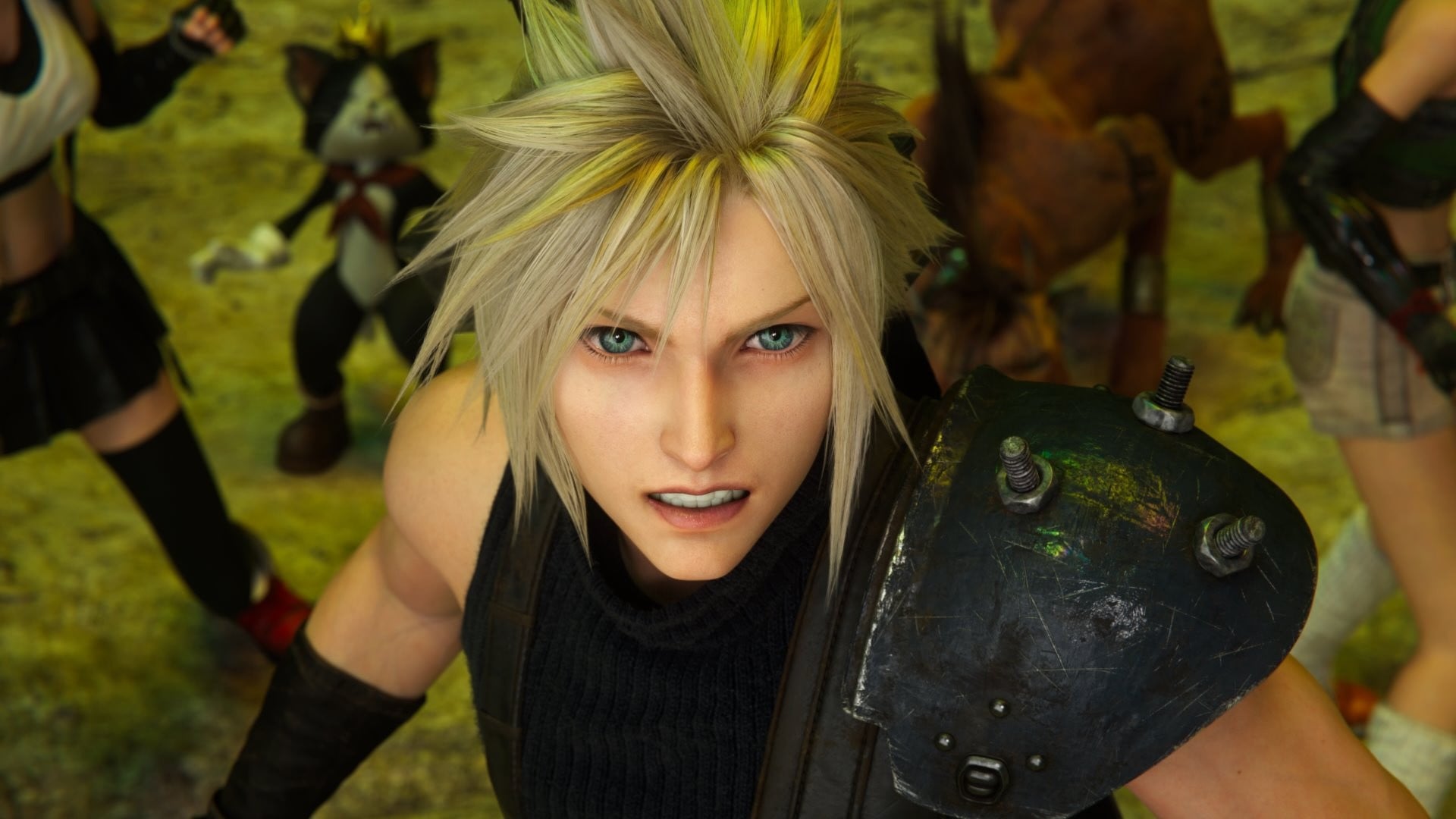
Final Fantasy VII Rebirth is heading to Switch 2 in June, only a few months after Final Fantasy VII Remake Intergrade arrived on Nintendo’s new system. For a project this large, that is a brisk turnaround, and it is not being treated as a happy accident. Director Naoki Hamaguchi has explained that Square Enix wanted the Switch 2 releases to feel connected from the start, rather than asking players to wait through a long break after beginning the trilogy on the platform.
Hamaguchi said that once the Switch 2 version of Remake was out, his attention quickly moved to making the other releases happen as well. His reasoning was simple: Final Fantasy VII’s modern retelling is built as a trilogy, so it would feel unfair if players could begin that journey on one platform and then find the next chapter separated from it in a way that broke the flow. Instead of describing Rebirth as something made alongside Remake in the usual sense, he framed the work as being guided by the expectation that the team would need to bring the next part over too.
That helps explain why Rebirth is arriving on Switch 2 just five months after Remake. Hamaguchi noted that big games often leave a large space between a first and second entry, but ports give the team a different opportunity. Since these versions are not brand-new games built from zero, Square Enix can aim for a tighter schedule and keep players moving from one chapter to the next. The goal is to use this rhythm to make the path from Remake into Rebirth feel smooth, and then carry that sense of continuity into the third installment when the time comes.
A Bigger Game With A Different Shape
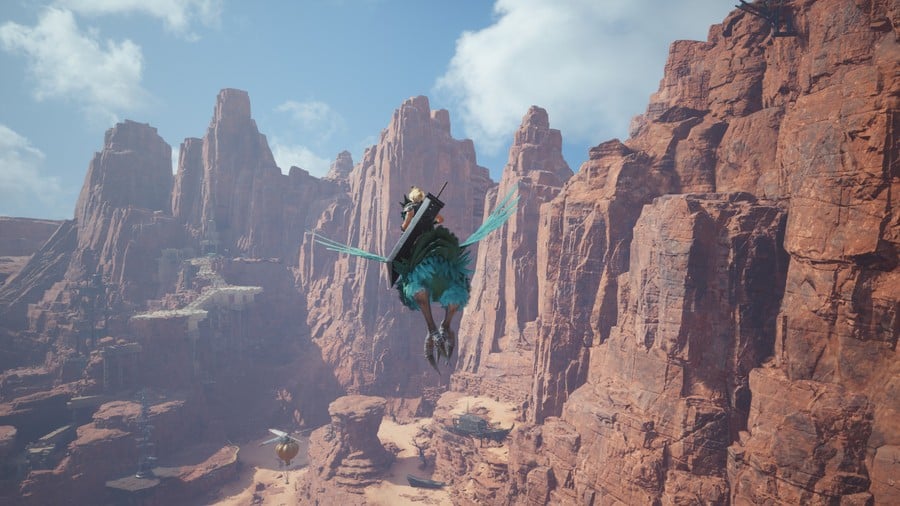
Rebirth also brings a major shift in structure. Remake was more linear, while Rebirth opens things up with a broader, more flexible style of play. That change matters on Switch 2 because the team had to preserve the feeling of the game across both handheld and docked play. Hamaguchi said the developers were especially focused on making sure that moving between those two modes did not make the experience feel like a different version of the same title. For players, the aim is clear: pick up the system, dock it, undock it, and keep going without the presentation or play feel calling attention to the hardware switch.
Lighting was a major part of making Remake look strong on Switch 2, and Rebirth keeps some of that same thinking, but the larger environments added new demands. Hamaguchi said DLSS was essential again, just as it had been for Remake. Both games use dynamic resolution rather than locking the image to one fixed number. In handheld mode, Rebirth can run internally as high as 1344×756 and as low as 672×380. In docked mode, the range goes from 1920×1080 down to 960×540. Those figures match the setup used for Remake, but Rebirth’s open-world scale means the team had to be careful about where and when the game spends its rendering budget.
The larger areas created their own development pressure. Hamaguchi pointed to background level-of-detail work as one of the ways the team managed the load. The developers adjusted the distance and scale at which background assets change detail, so performance would not suddenly hit a rough patch when the player could see farther into the scene. They also studied the situations where processing demands tended to gather, then set cutoff points to reduce rendering in places the player could not actually see. The rendering order for the broader environment was reorganized as part of that effort. In plain terms, the port is not only about lowering numbers; it is about deciding what the system needs to draw, what it can skip, and how to keep the whole scene steady while the world opens up.
Hamaguchi also highlighted how Rebirth’s smaller activities can become a natural fit for handheld play. Queen’s Blood, the card game inside Rebirth, was his example. A player may sit down for one match, then decide to play another, adjust a deck, and keep going longer than planned. On a portable system, that kind of loop can turn into a gentle chain of short sessions. It is very much the old handheld magic in a modern big-budget RPG: a huge adventure that still has room for one more quick round before you put the system down.
Key Points From Hamaguchi’s Switch 2 Comments
- Rebirth is planned for Switch 2 in June, only five months after Remake Intergrade’s Switch 2 launch.
- Square Enix wanted to avoid splitting the trilogy experience for players who start on Switch 2.
- The team sees the fast gap between the two ports as a way to keep the story flow intact.
- DLSS returns for Rebirth and supports dynamic resolution in both handheld and docked modes.
- The handheld internal resolution ranges from 1344×756 down to 672×380, while docked mode ranges from 1920×1080 down to 960×540.
- Open-world scenes required careful work on background LODs, draw distances, unseen areas, and rendering order.
- Hamaguchi said the team’s wider challenge is balancing nostalgia and innovation title by title.
- He has already completed more than 40 full playthroughs of the game and said the team is working to make the experience memorable.
That balance between old memory and new design sits at the heart of the project. Hamaguchi said the biggest challenge has been judging, for each title, how much to lean into nostalgia and how far to push new ideas. Final Fantasy VII carries decades of player attachment, so every change has weight. At the same time, Remake and Rebirth are not meant to be museum pieces. They revisit familiar places, characters, and emotions through a modern design lens, with each game needing its own answer to the same question: what should feel warmly recognizable, and what should feel newly alive? For Switch 2 owners, the June release means that question will soon continue on Nintendo hardware, with Rebirth following closely behind Remake and the third chapter still waiting beyond it.