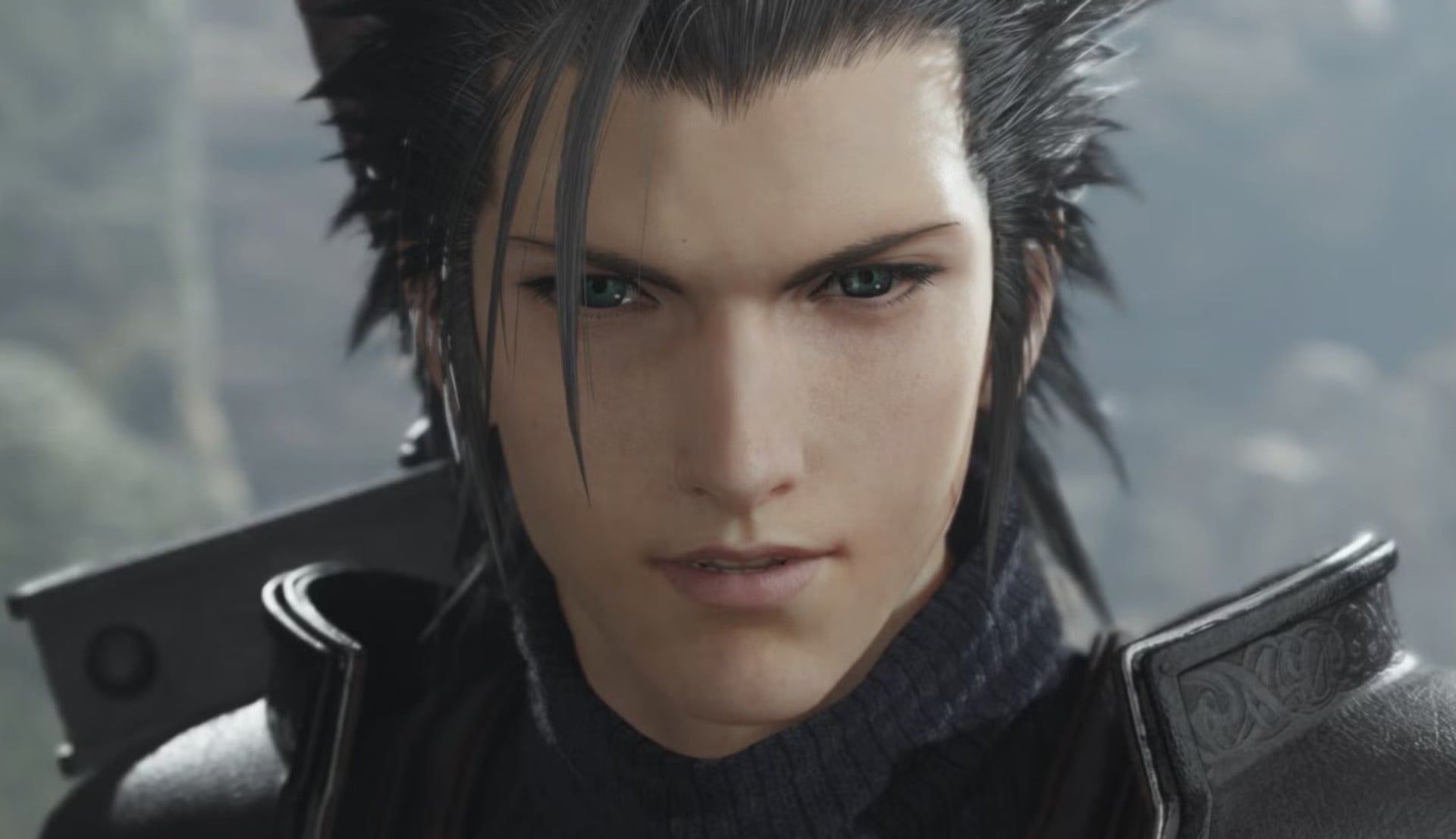
Final Fantasy VII Rebirth is getting closer to its Switch 2 launch, with the game currently set for 3 June 2026. Players who want an early look do not have to wait until release day, either, as a free demo is already available on the eShop.
That means many Switch 2 owners may already have a sense of how this big, glossy Final Fantasy chapter looks and runs on Nintendo's new hardware. For anyone who likes the nuts and bolts behind the picture, director Naoki Hamaguchi has now shared more detail on how the game handles its internal resolution.
DLSS Is Doing Important Work
Hamaguchi explained that lighting remains a major part of Rebirth, just as it was in Final Fantasy VII Remake. The difference this time is scale. Rebirth uses an open-world structure with much larger fields, so the game has to render more information at once than Remake did. Rather than heavily changing the underlying rendering technology, the team focused on resolution control and upscaling to keep the presentation balanced.
DLSS is a key part of that setup. According to Hamaguchi, the feature was essential and has been used again in Rebirth after also appearing in Remake. The Switch 2 version does not rely on fixed resolutions. Instead, both modes are built around dynamic resolution, allowing the game to adjust internally depending on what is happening on screen. In handheld mode, Hamaguchi said the internal resolution can reach as high as 1344 x 756.
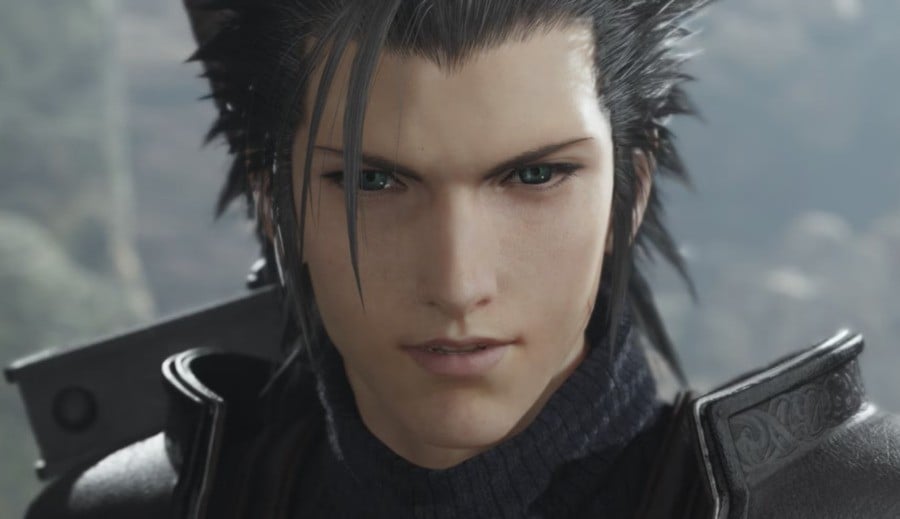
Early demo impressions have suggested that performance is mostly promising, though not without small visual trade-offs. Some nearby textures can appear a little lower in resolution than players might hope when inspected closely. Even so, the overall shape of the Switch 2 version sounds encouraging, especially for a large modern RPG making its way to a portable Nintendo system. With only a handful of weeks left before launch, Rebirth is now one of the more interesting technical showcases on the Switch 2 calendar.