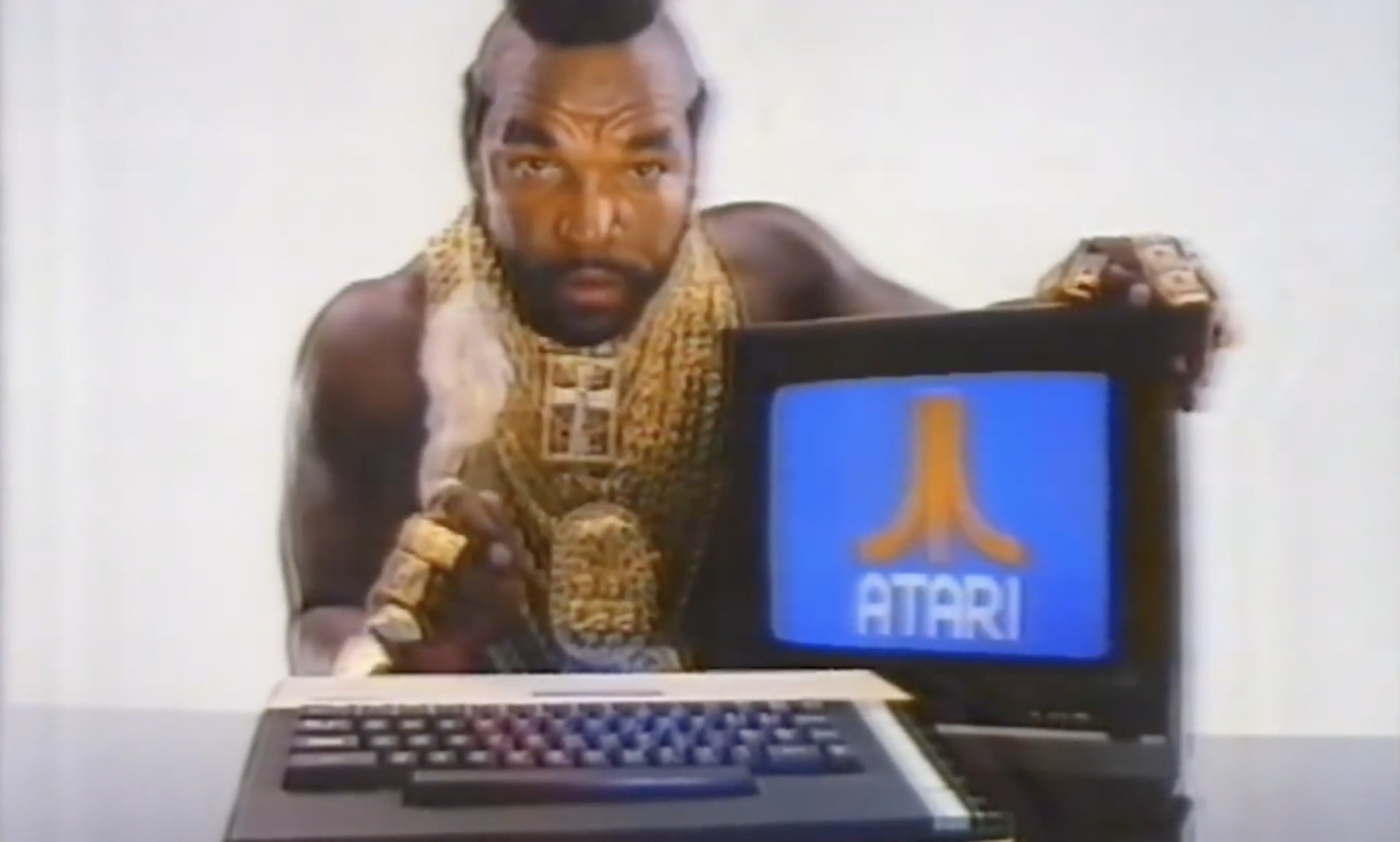
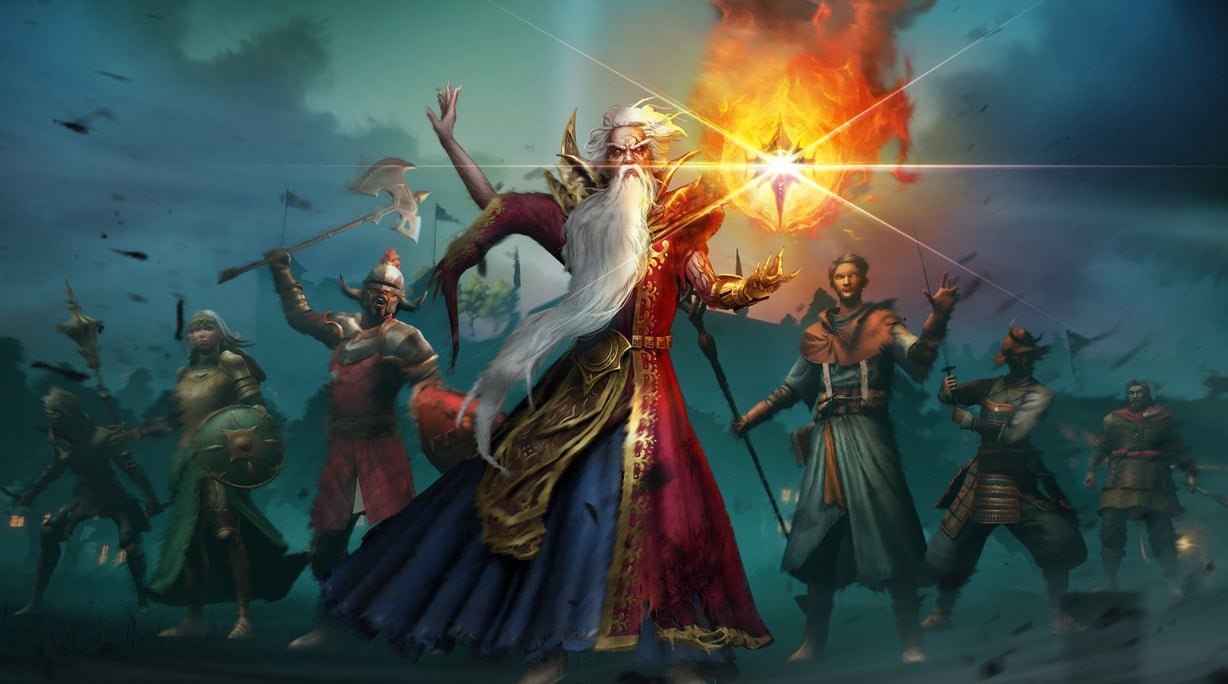
Atari has added a major piece of role-playing history to its catalogue. The company has announced that it has acquired the complete and exclusive rights to the first five Wizardry games, along with the underlying IP connected to those early titles.
The deal covers Wizardry: Proving Grounds of the Mad Overlord from 1981, Wizardry II: The Knight of Diamonds from 1982, Wizardry III: Legacy of Llylgamyn from 1983, and the rest of the first five main entries. For retro RPG fans, that is a meaningful move, especially after Digital Eclipse’s 2024 remake brought fresh attention to the original game.
The first Wizardry is often treated as one of the most important computer role-playing games ever made. It was mainly designed and created by Robert Woodhead and Andrew C. Greenberg for Sir-Tech at a time when the video game business was still young and the shape of the RPG genre was still being worked out.
Its influence did not stay in one corner of gaming. Alongside Ultima, Wizardry helped inspire well-known Japanese creators during the 1980s, including Dragon Quest creator Yuji Horii and Final Fantasy creator Hironobu Sakaguchi. Over the years, the original game has also been ported and remade for several platforms.
Robert Woodhead said the early Wizardry games were among the first to bring role-playing experiences to PCs and consoles, and he framed Atari’s involvement as a chance for the series to keep reaching players.
Atari chairman and CEO Wade Rosen also pointed to the series’ long absence from easy availability. He said many Wizardry games have been unavailable for more than two decades, and described the acquisition as a rare chance to republish, remaster, and bring console ports and physical releases of the classic titles to modern audiences.
There is one important wrinkle in the dungeon map. Japanese company Drecom still holds rights connected to later Wizardry games, including Wizardry VI: Bane of the Cosmic Forge from 1990, Wizardry VII: Crusaders of the Dark Savant from 1992, and Wizardry 8 from 2001. Drecom had already announced those rights, along with domestic and global rights connected to the Wizardry trademark.
That means Atari’s new ownership of Wizardry 1-5 does not automatically give it total freedom over every future use of the Wizardry name. If Atari wants to sell more remakes under that name, it would need to license the mark, as it did for the 2024 release. It also cannot make a new original Wizardry game under the Wizardry name without Drecom’s permission.
The split can sound more confusing than it is. Norman Sirotek, one of Sir-Tech’s co-founders, previously explained that, in his view, Wizardry 1 through 5 had always been owned by the Sirotek family in one form or another, while other parties held different parts of the wider Wizardry rights picture.
For Z-retro, the practical takeaway is simple: Atari now has a stronger hold on the earliest Wizardry games, which could help bring them back into circulation, but the wider franchise still depends on careful rights handling. It is a promising retro preservation move, with a few old-school legal doors still locked.