A Port With A Complicated Welcome
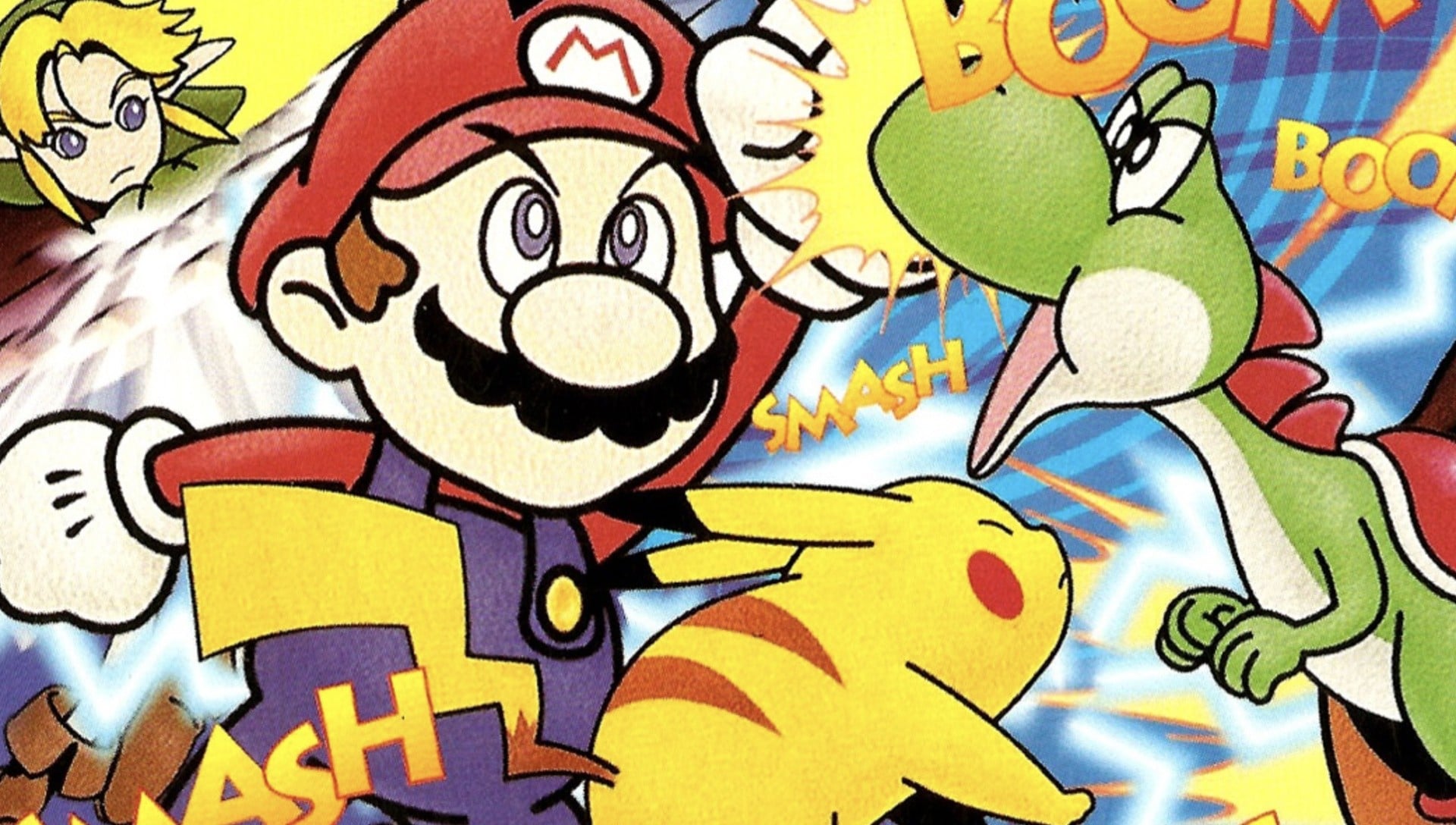
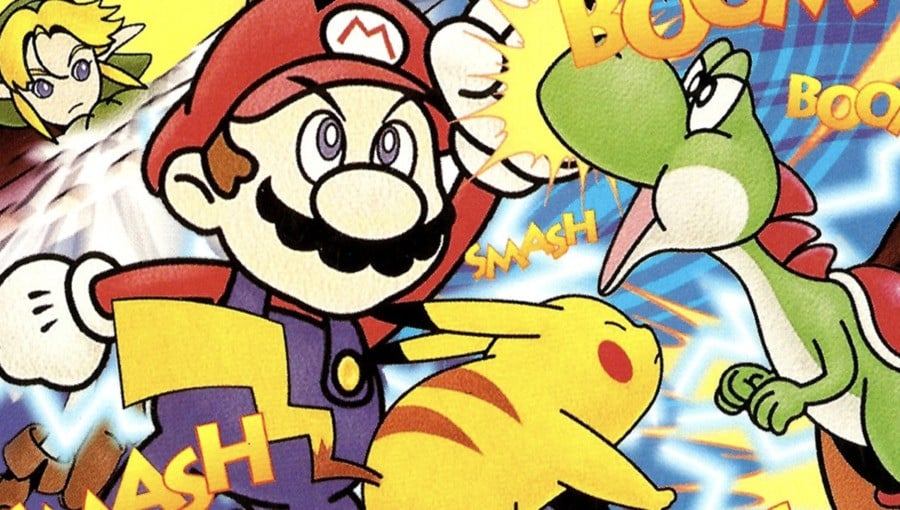
Super Smash Bros. now has a native PC port, which sounds like the kind of retro news that should bring instant curiosity. Instead, the project has landed in the middle of a heated conversation about AI, fan work, accuracy, and what people expect from old games brought to new platforms.
You cheated not only the game, but yourself.
That line has been used as a sharp response to the port, and it captures the mood around much of the criticism. For many retro fans, the issue is not only that the game runs on PC. The bigger concern is how the port was made, and whether the result respects the craft behind the original.
What The Creator Said

TheWizWiki has been open about the process, describing the port as "100% AI-generated." According to the creator, the work took a little over 25 days, with TheWizWiki, Opus 4.6, Opus 4.7, and GPT 5.5 listed as the only contributors. They also said agents were sent out at points to build and test parts of the project autonomously.
That honesty has made the project easier to judge, but it has also placed it directly inside one of gaming's loudest modern debates. A PC port of a famous retro title would usually be judged on playability, accuracy, and usefulness. Here, the method has become just as important as the finished build.
Why Developers Are Concerned
Indie developer @MorsGames, known for the modern PC port of the viral retro hit Moon Child, was among the first to raise concerns. The reaction points to a wider worry among developers: if AI tools are used to do this kind of work quickly, what happens to the people who have spent years learning how to port, rebuild, test, and preserve games properly?

@UnderCoverToni also argued that the work done by the AI agents is weak in important areas. In his view, the port is not simply controversial because AI was involved. He said it lacks features, contains many bugs, and gets parts of the game's engine and physics wrong. He also pointed to the absence of proper accuracy checks.
The Main Criticisms
- The project is described as fully AI-generated, which has made some players uneasy.
- Critics say the port has bugs and missing features.
- Some argue the engine and physics do not match the original game closely enough.
- There are concerns that AI-heavy development can devalue skilled work in the games industry.
The Other Side Of The Debate
Not everyone sees the project as a problem. Julio Varnes, also known as Craftyavg586, argued that porting software to unsupported hardware and operating systems can be one of AI's better uses. He said some games and software lost to time could be saved this way, and added that this is different from generative AI in the usual sense.
Arrrash made a similar point, saying they did not understand the outrage. From that view, porting an old video game to PC is not the same as replacing a creative act. If AI could make every old game run natively on PC, they said they would not necessarily object.
That is where the argument sits for now: one side sees a worrying shortcut with poor results and real labor questions, while the other sees a possible preservation tool. For retro fans, the old Z-retro truth still applies: getting a classic running is only part of the job. Making it feel right matters just as much.