Sega is changing course after a difficult stretch for its newer free-to-play games. The company is moving more than 100 developers out of its free-to-play division, following weak results from Sonic Rumble Party and a broader rethink of that part of the business.
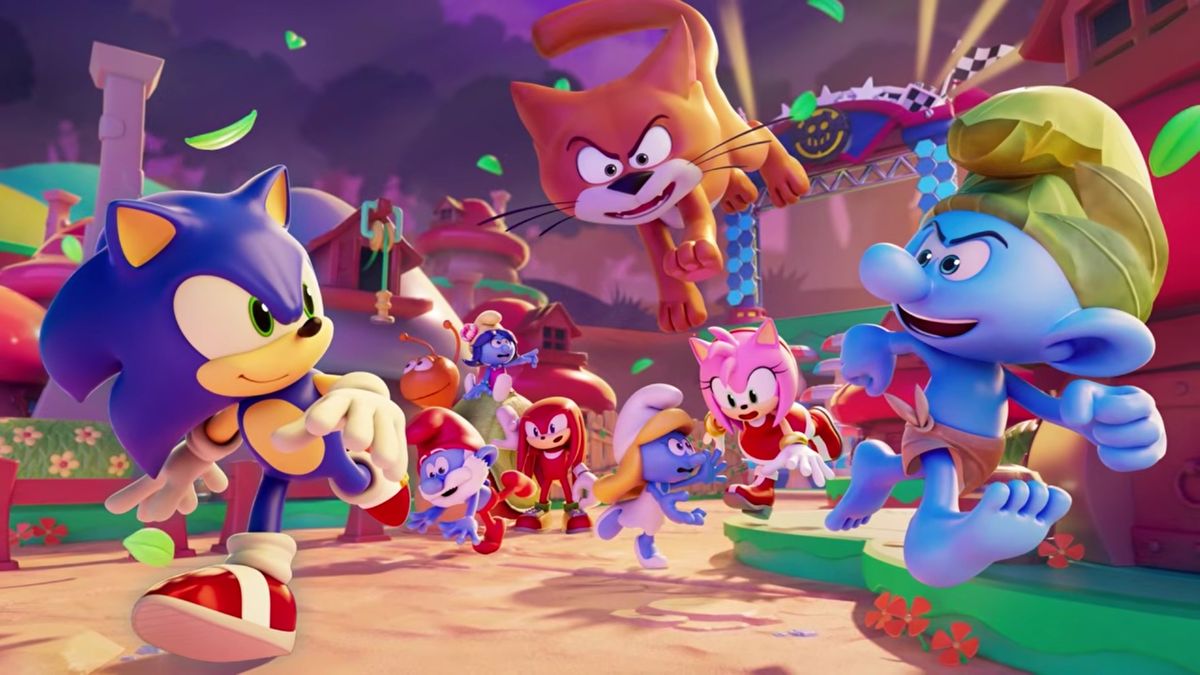
Sonic Rumble Party arrived last year as a free Sonic spin-off with a party-game feel, built around the kind of playful obstacle-course chaos that fans may connect with Fall Guys. Even with a famous blue mascot on the cover, the game did not make a strong mark, and its financial return appears to have disappointed Sega.
What Sega Said
In Sega's financial report for fiscal year 2026, the company said that its new free-to-play titles struggled during FY2026/3. The presentation points directly to Sonic Rumble Party, saying the game had a weak performance in the third quarter.
That wording matters because it shows this was not only about a quiet launch or mixed attention from players. Sega is now responding at the business level, scaling back the free-to-play plan that sat behind projects like this.
Rovio Also Faces A Reset
The issue was not limited to Sonic, either. Sega bought Rovio, the developer behind Angry Birds, in 2023, but the partnership has not yet delivered the value Sega wanted. The company said it did not create economic value through collaboration with Rovio, and it also pointed to delays as part of the problem.
For now, Rovio is expected to focus on its own restructuring before moving ahead with the same general direction. That suggests Sega is not cutting the Angry Birds studio loose, but it is allowing time for the mobile-focused business to sort itself out before deeper collaboration continues.
The Super Game Project Is Over
Sega also confirmed that its upcoming Super Game project has been canceled. That adds another notable change to a period where the company seems to be tightening its plans and stepping away from ideas that no longer look as secure as they once did.
For Z-retro, the story is less about one Sonic game stumbling and more about Sega taking a careful pause. Free-to-play can still work, and Sega still has beloved characters and studios, but this moment shows how even familiar names need the right timing, support, and audience to turn into lasting success.