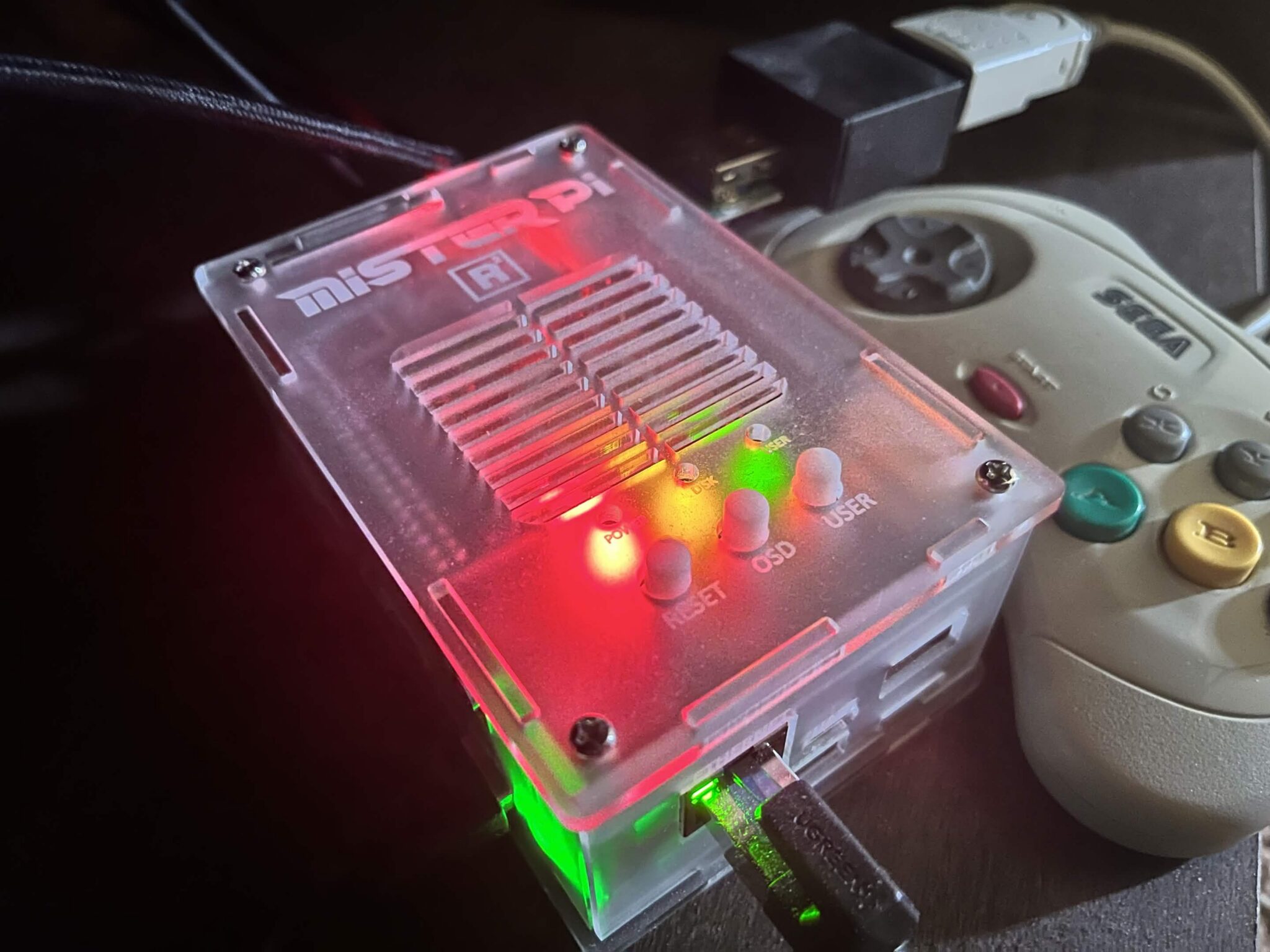
The Saturn MiSTer core has gained a small feature with a very Sega Saturn kind of charm: the LEDs on the FPGA setup can now act like the power and disc activity lights on the original console. It may not have been the biggest request in the room, but it is exactly the sort of detail that retro hardware fans notice once it is there.
That little light show comes at a time when the Saturn core is under real pressure. The core is already packed tightly into the DE-10 Nano’s FPGA resources, and recent discussion around it has made clear that every new addition has to be treated carefully. Even a simple-looking feature can matter when the design is this full.
Why The LEDs Matter
The request appears to have started as a modest quality-of-life idea from a Discord user named Kanel. Some people in the MiSTer Discord brushed it off as unnecessary, especially because the Saturn core was already running close to its limits. Still, the request did the important part: it put the idea in front of Dvodnenko, who then added the behavior.
The feature is not only cosmetic. Zakk, another member of the MiSTer Discord, pointed out the practical side: an activity light can help show whether the core is reading data or whether something has simply stopped responding. That is a small comfort, but on disc-based systems it can make troubleshooting feel a bit less like guesswork.
A Core With Very Little Room
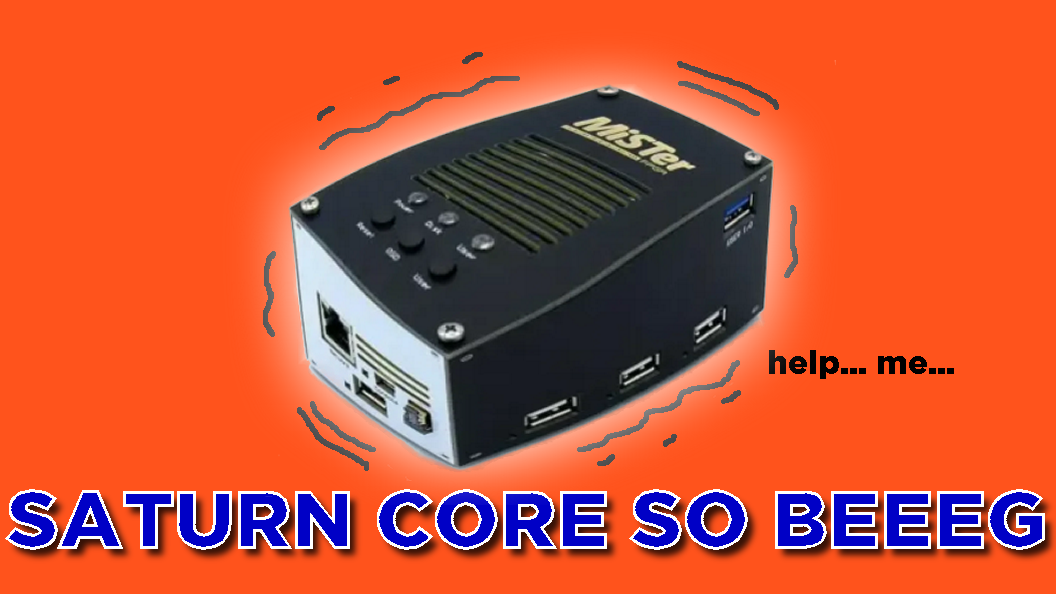
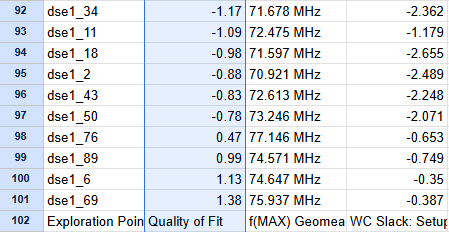
The larger story is that the Saturn core is running into the hard limits of the FPGA hardware. After a March 20 update, users had trouble building the single RAM version because the design was asking for more resources than the DE-10 Nano could provide. That led to a lot of trial and error from people trying to get successful builds.
One Discord user, TheJesusFish, described the situation bluntly, saying the Saturn core was not in good shape and that they had run 100 compilations, with only certain builds succeeding. That gives a clear picture of how narrow the margin has become. This is not a core with lots of empty space waiting for extra features.
Single RAM And Dual RAM Builds
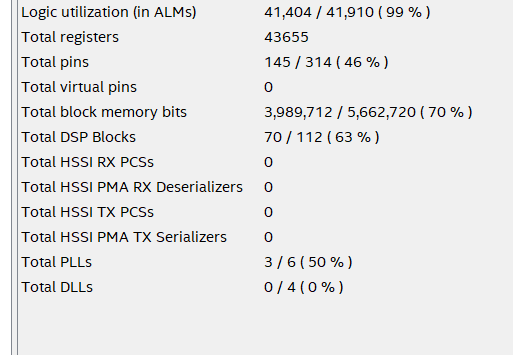
Because of those limits, the Saturn core now has separate builds for MiSTer systems with one RAM chip and systems with two RAM chips. The dual RAM version can move some work into the additional memory, which helps free up some of the FPGA’s onboard resources. That split lets the project support different MiSTer setups while trying to keep the core usable.
This also explains why the dual RAM build is more than a simple alternate download. Extra memory gives the core another place to handle certain functions, which matters when the FPGA fabric itself is so crowded. For single RAM users, the challenge is tougher because the core has fewer places to shift that work.
Modern Controls Are Still A Hard Ask
The tight resource situation also came up when someone asked whether modern controllers’ right analog sticks could be used as analog shoulder buttons. The MiSTer platform does not currently support analog shoulder buttons for any core, and Dvodnenko’s reply made the Saturn core’s position sound especially difficult.
Rather than treating the idea as a small future add-on, Dvodnenko warned that the problem was serious enough that existing features might eventually have to be removed. That response shows how constrained the core has become. At this stage, even useful controller ideas have to compete with the basic problem of fitting everything into the available FPGA space.
What Changed This Week
- Dvodnenko’s latest work, noted through the project’s GitHub activity, brought the Saturn-style LED behavior into the core.
- The core now has separate paths for single RAM and dual RAM MiSTer setups, with the dual RAM option able to offload some functions into the extra memory.
- SRG320 was credited by Zet-sensei for heavy work on the core, with Zet-sensei describing the effort as exhausting and asking the community to appreciate it.
- Community testing continued to show how tight the design is, with birdybro checking the resource situation and finding similar numbers to what others had reported.
For anyone newer to the scene, MiSTer is built around a field-programmable gate array, or FPGA. Instead of emulating a console purely in software, the chip is programmed so its hardware behavior can closely match older game systems. MiSTer also uses an SD card reader, letting users load system cores and games from removable storage.