Sergio Elisondo has never treated old hardware like a small box. He treats it more like a stubborn instrument: limited, yes, but full of personality when someone learns how to push it. Longtime retro fans may know his name from A Winner Is You, a digital audio album released on an NES cartridge. That project was already unusual on paper, but the story gets better when you remember that Sergio handled the performance, recording, mixing, and mastering himself. The instrument list was not exactly tiny either, reaching across drums, guitar, bass, synth, ukulele, banjo, mandolin, French horn, flute, and more. It was a one-person music project living inside a cartridge, which says a lot about how Sergio thinks.
Others may connect him with Ninja I & II, or with his live hologram performance work, or with You Are Error, the NES project that managed full motion video and digital audio on native, unmodified NES hardware. That last detail matters. The project was not leaning on a modified console to do the impressive part. Sergio has described the achievement with real pride, especially because the team was first to make that kind of presentation work smoothly on physical NES hardware. Even the long wait for boards, caused by COVID-era chip shortages, did not sour the experience for him. Some delays were simply outside the team’s control, and he does not frame them as disappointments.
A New Kind Of Handheld Ambition
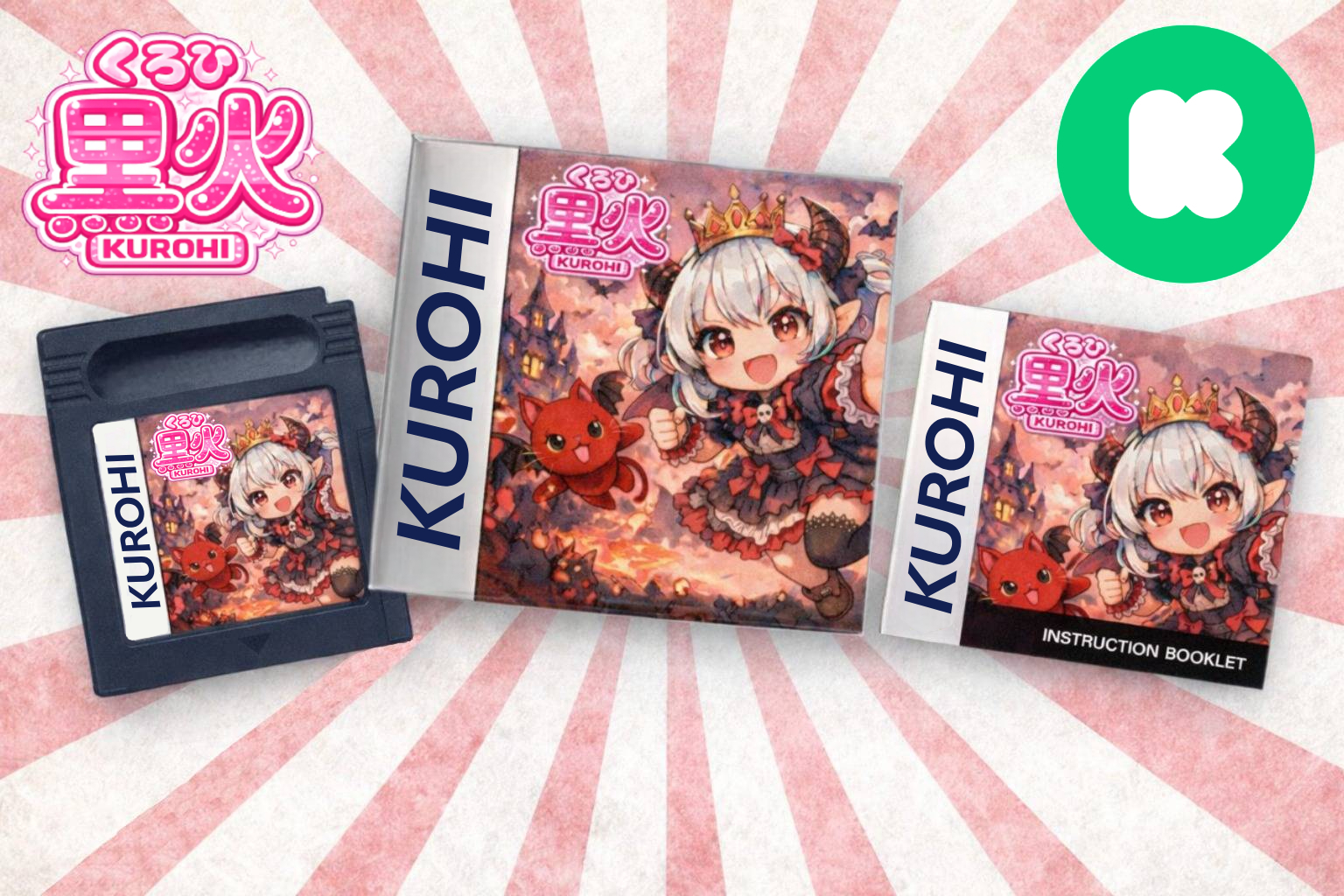
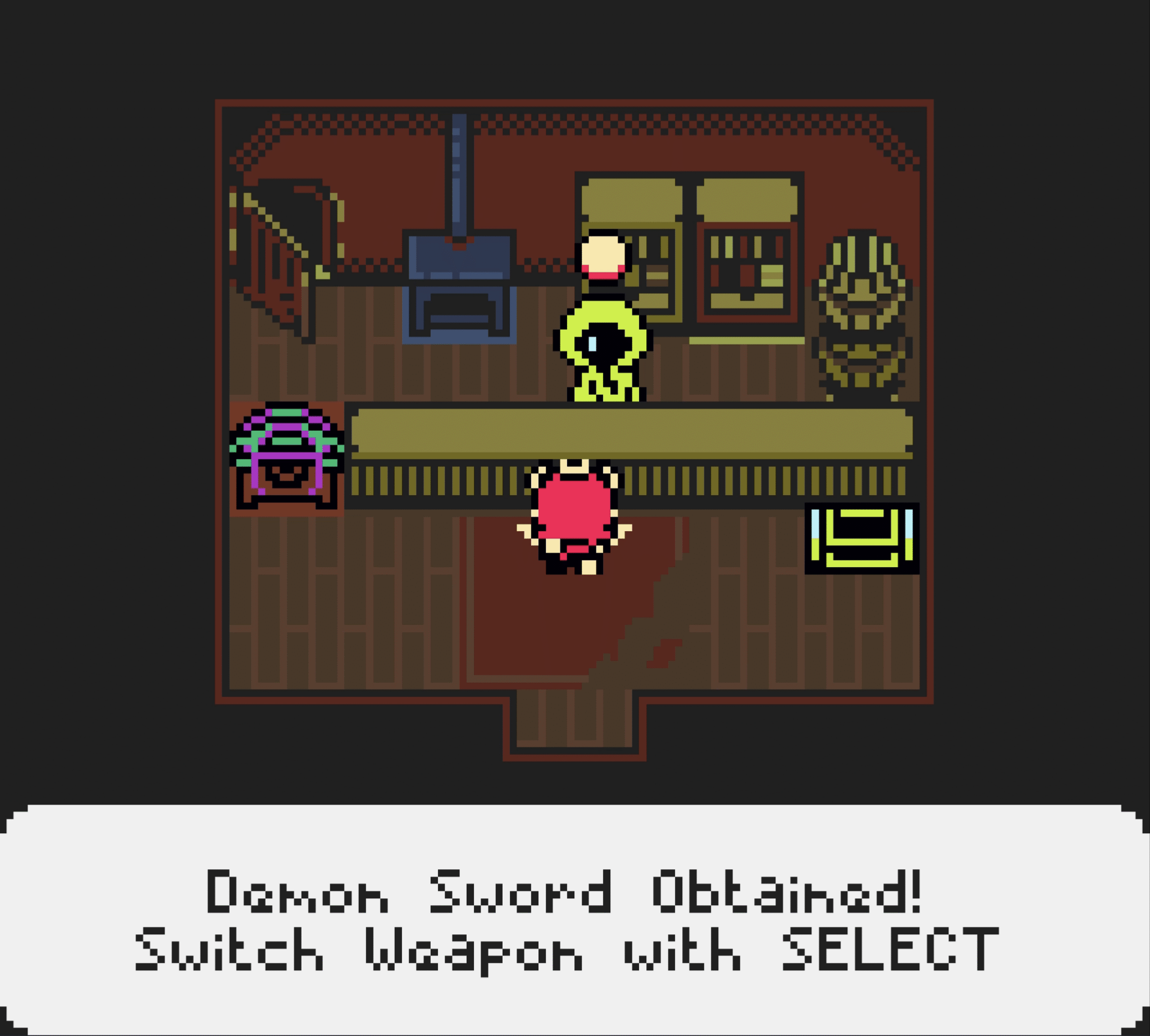
KUROHI, a title that means “black fire,” is Sergio’s new Game Boy Color game, and it may be his most ambitious work so far. It is not built around only one familiar retro format. Instead, it brings together Metroidvania-style platforming, overhead exploration in the spirit of Zelda, and arcade space shooter sections, then ties them into one Game Boy Color cartridge. The game is spread across eight worlds and includes a central hub town, currency, shops, NPCs, lore, and a soundtrack composed by Sergio himself. In other words, this is not just a short technical demo or a single clever trick. It is a full handheld adventure trying to make the Game Boy Color feel bigger than expected.
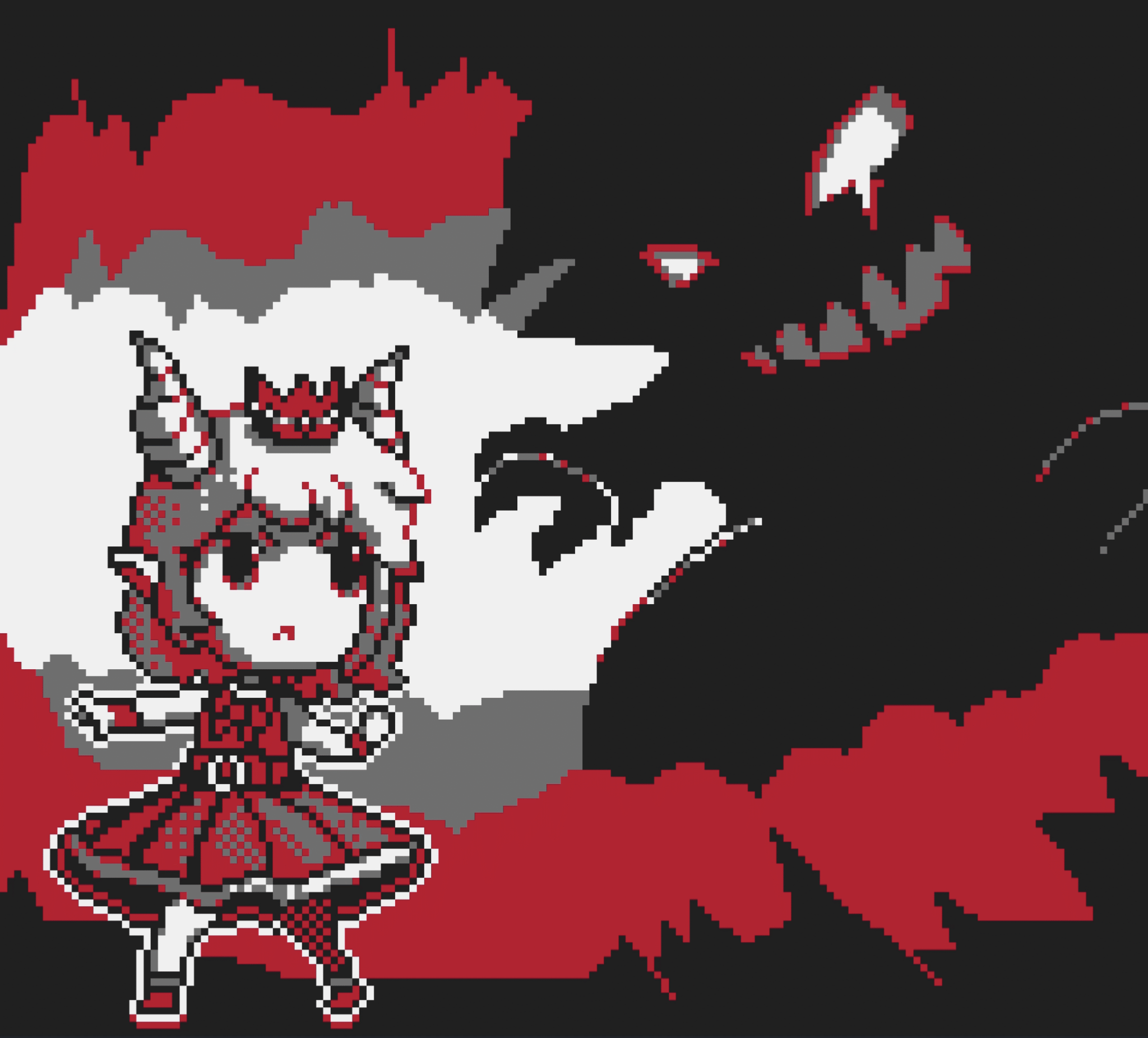
That mix of styles is the heart of KUROHI. Sergio did not set out only to make a platformer that borrows a few ideas from other genres. His starting point was the desire to do something different on the Game Boy Color, in the same broader spirit that shaped A Winner Is You and You Are Error. He still respects the value of a game that chooses one style and does it well. A tight Metroidvania can be plenty of fun. But for KUROHI, he wanted the game to change its feel depending on what was happening. The player might be moving through connected side-scrolling spaces in one moment, exploring from above in another, then shifting into a more arcade-like shooter rhythm somewhere else.
That design choice gives KUROHI a very specific challenge. If a retro game changes modes, each mode has to feel good on its own, but the whole thing still needs to feel like one game. The Game Boy Color is not a machine where extra ideas can be thrown in carelessly. Controls, screen space, music, pacing, and readability all matter. The promise of KUROHI is that those different play styles are meant to serve the adventure rather than sit beside each other as disconnected novelties. The eight-world structure, the hub town, the currency, the shops, the NPCs, and the lore all suggest a game trying to build a place, not just a sequence of levels.
Music As Structure
Music is not a side note in Sergio’s work. It is one of the main languages he uses. For KUROHI, he composed the soundtrack across all three major gameplay styles, and he thinks about each style in musical terms. Different kinds of action call for different chord progressions, drum patterns, harmonic shapes, and tempos. That is a very musicianly way to approach a Game Boy Color cartridge. The sound is not only there to fill silence. It is part of how the game tells the player where they are, what kind of energy the moment has, and how the current section should feel.
Sergio also carries over a personal musical fingerprint: what he calls his “bleepy” fade outs. He has used that sound in other composition projects, and KUROHI continues the idea. Without giving away story details, the music is designed to shift in energy depending on location and context. From the beginning of the game onward, the soundtrack is meant to respond to the journey’s shape. That fits the whole KUROHI idea neatly. A game that changes between platforming, overhead adventure, and space shooting needs music that can move with it, not music that stays flat while the design changes around it.
Since You Are Error, Sergio has also been working on other side projects, including music for games by other developers. Those compositions use a wide range of tools and formats. He has worked with trackers for different console styles, including FamiTracker, OpenMPT, and DefleMask, and he has also recorded digital music with a DAW for a PC Engine soundtrack. That range helps explain why KUROHI’s sound is such a central piece of the project. Sergio is not approaching the Game Boy Color as a novelty platform. He is bringing a working composer’s habits into the limits of a handheld machine, then letting those limits become part of the flavor.
From San Jose To Portland
KUROHI also sits inside a personal retro life that stretches beyond one cartridge. Sergio was born and raised in San Jose, California, and lived there until moving to Portland, Oregon about five years ago. Even after the move, San Jose and the wider Bay Area still feel like home to him in many ways. His family and friends are still there, so he returns often each year. That matters because retro gaming is rarely only about machines. It is also about rooms, friend groups, local events, food stops, and all the small routines that make a place feel connected to memory.
Living away from that original circle has also made online gaming more important to him. Sergio describes himself as a console guy, but distance changes how people keep playing together. When friends are no longer nearby, online play becomes a practical way to keep the old rhythm going. That detail gives his work a grounded feeling. He is not only building retro projects from nostalgia in the abstract. He is someone who has lived around local game communities, moved to a different city, and found new ways to keep those friendships active.
What KUROHI Is Built Around
- A new Game Boy Color cartridge project with the title meaning “black fire.”
- A blend of Metroidvania platforming, overhead Zelda-style exploration, and arcade space shooter segments.
- Eight worlds connected by a broader adventure structure.
- A central hub town with currency, shops, NPCs, and lore.
- A soundtrack composed by Sergio Elisondo across the game’s different play styles.
- A design goal of letting the game’s feel change based on what is happening, while still keeping the whole experience cohesive.
The Look Of Black Fire
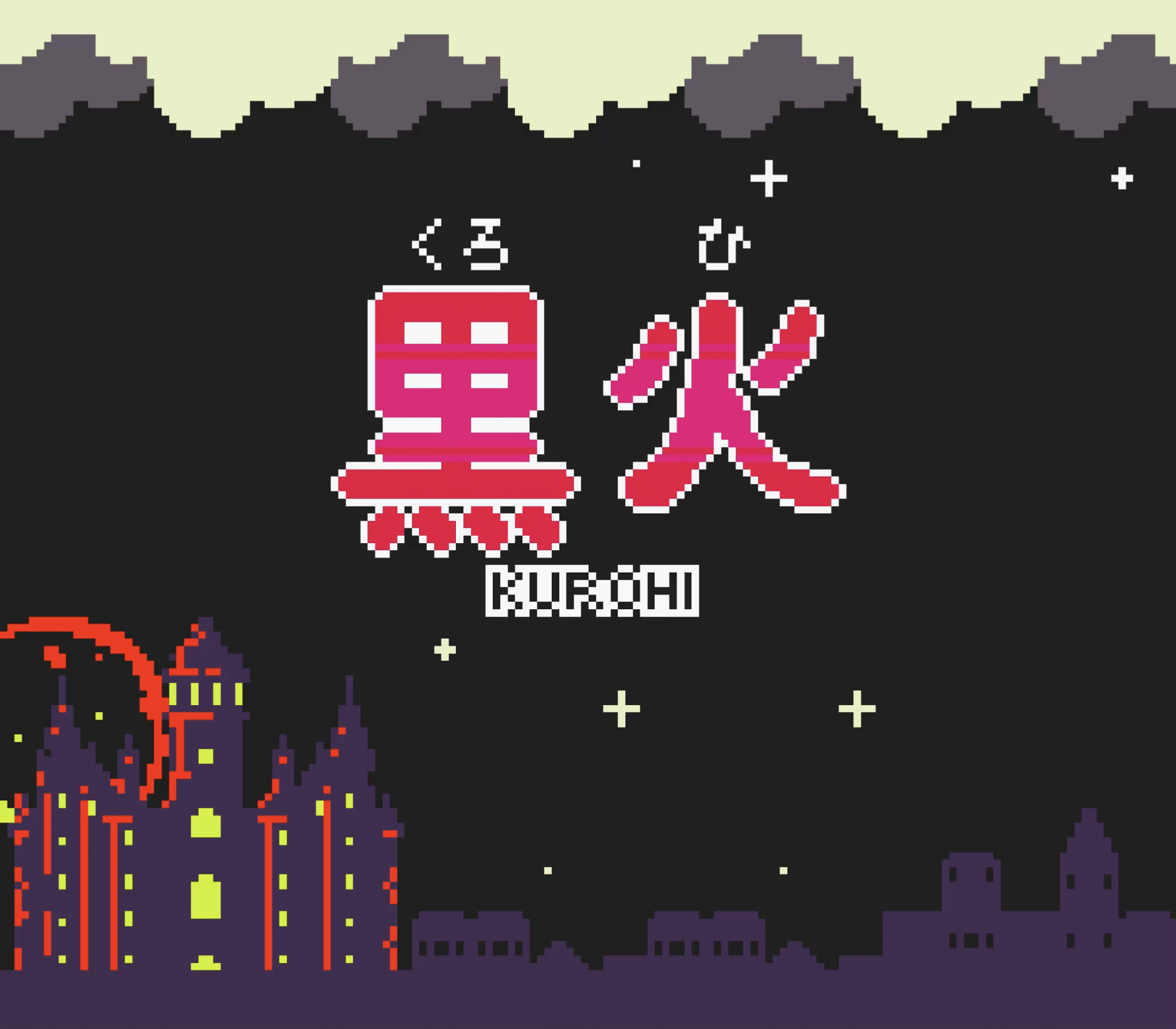
KUROHI has a visual identity built around its title, its Japanese naming, and the image of black fire. The available details point to a game where the look is not just decoration after the mechanics are finished. The questions around the project focus heavily on art direction, aesthetic choices, and the point at which Sergio knew what the game should look like. That says something about the project’s center of gravity. KUROHI is being presented as a full creative world with its own visual language, not only as a technical exercise for a beloved handheld.