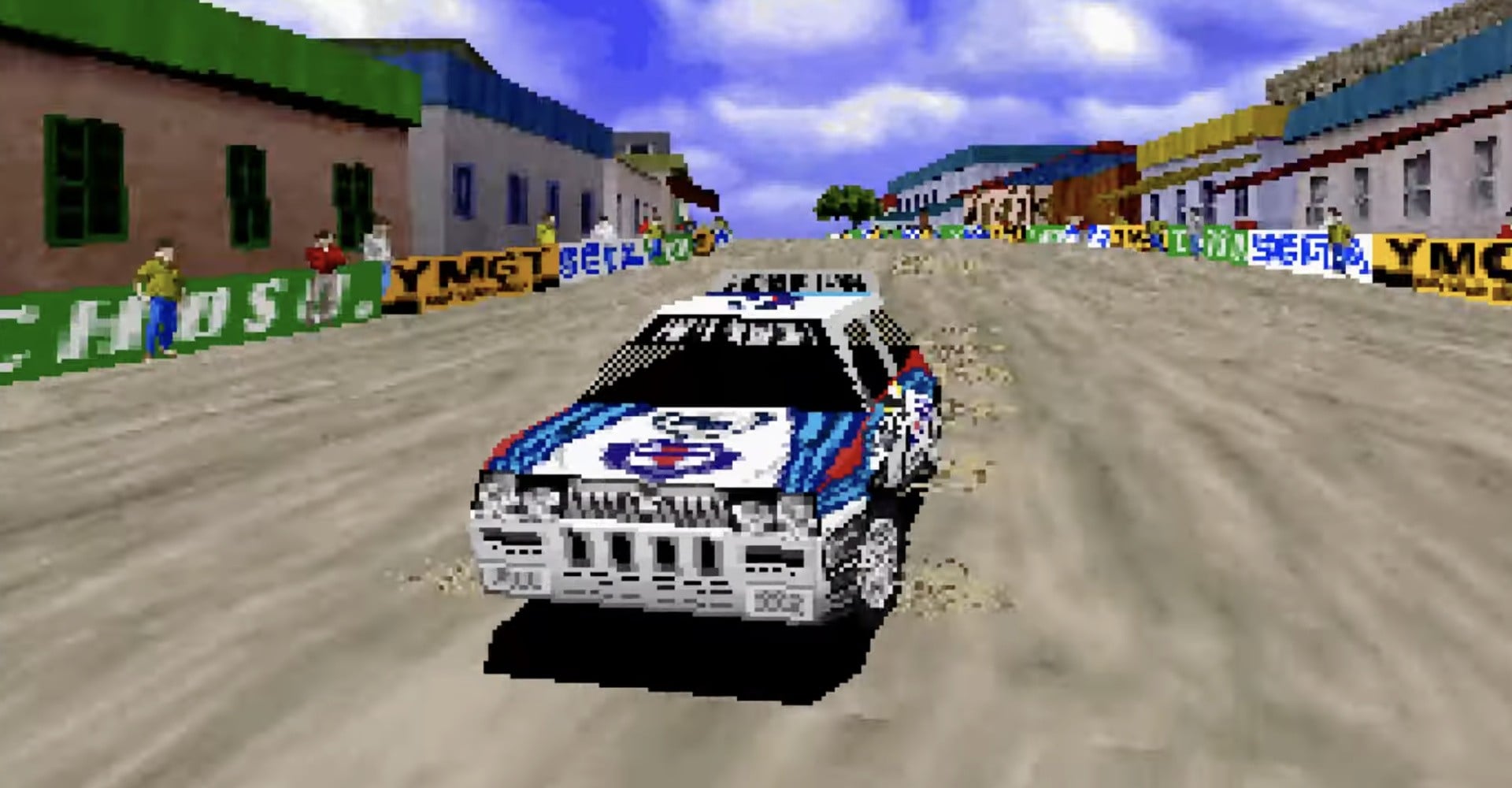
Yaba Sanshiro, the Sega Saturn emulator, has made an important jump in how it draws Saturn graphics. The change focuses on a new rendering method that is meant to improve accuracy while still keeping performance realistic on Android devices.
That balance matters because the Saturn is not a simple machine to copy in software. Its VDP1 chip draws sprites and polygons as four-sided shapes, known as quads. Modern GPUs, however, are built around triangles, which creates a mismatch right at the heart of rendering.
Why Quads Cause Trouble
On today's graphics hardware, a quad is usually broken into two triangles before it is drawn. That can work well enough in many cases, but it can also create a visible break where the two triangles meet. A texture that should flow smoothly across one Saturn-style shape may instead look bent or uneven.
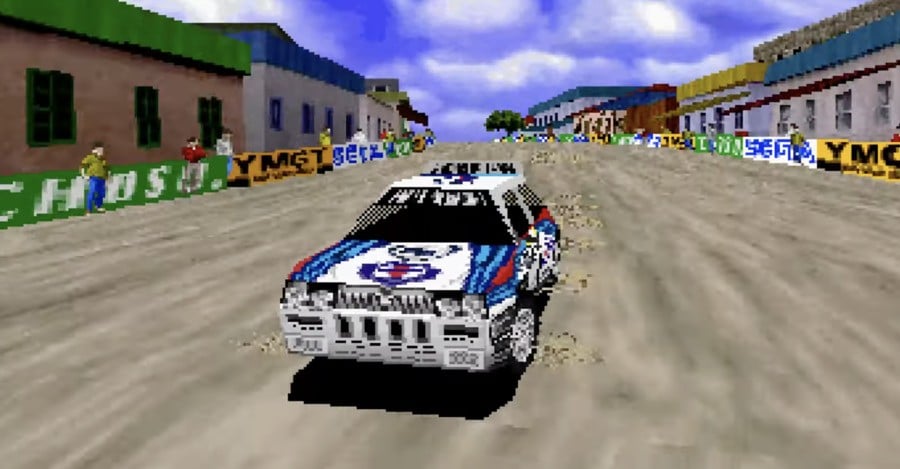
The problem can become easier to notice when games are run at higher resolutions through emulation. Upscaling can make old visual shortcuts look sharper than intended, and small texture errors may stand out more clearly on modern displays.
The New Rendering Path
Developer devMiyax has introduced a compute shader approach for VDP1 rendering. In this new path, a compute shader runs for each VDP1 command. With the current screen-side reverse-mapping method, each thread handles a screen pixel, or an output HD pixel when the image is being upscaled.
The goal is to reduce the texture distortion that appeared when tessellation was too rough. Instead of relying on a triangle split that can expose a seam, the new method is designed around the way the Saturn originally treated those shapes.
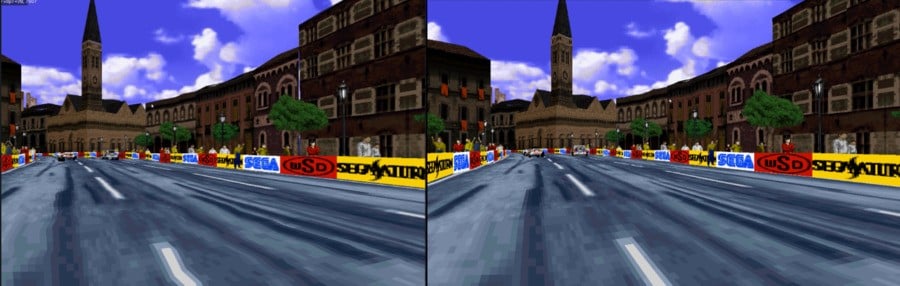
The promising part is that this extra work does not appear to have brought a major speed penalty. According to devMiyax, the implementation still holds 60fps, which makes the change especially useful for Android users who need both cleaner graphics and steady play.
devMiyax has also been open about using AI during development, which is worth noting as emulator projects continue to mix traditional low-level research with newer tools. Z-retro's view is that this is a practical step forward: not a magic fix for every Saturn quirk, but a meaningful improvement for a famously unusual console.