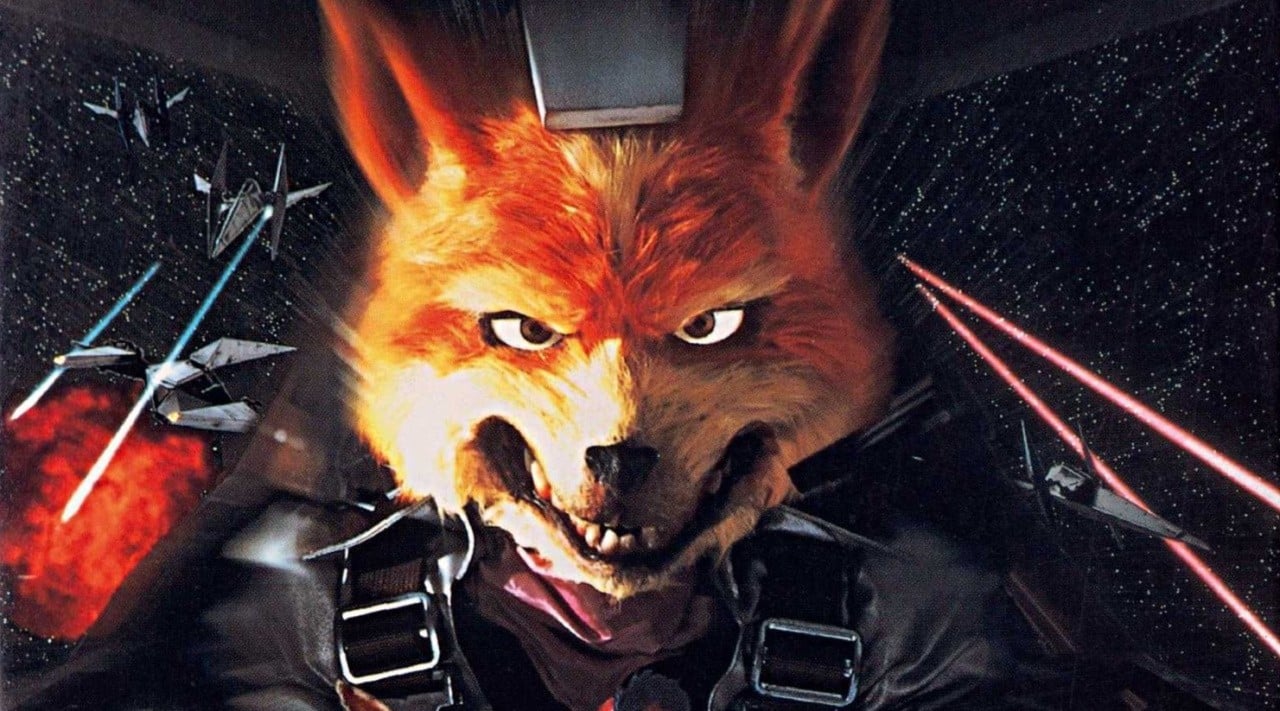
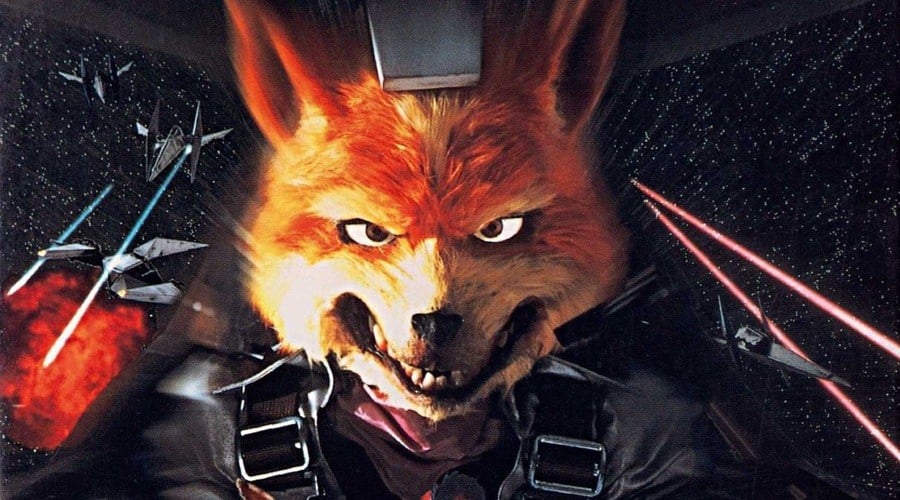
For anyone who grew up around the launch of Star Fox on the SNES, the game's puppet artwork has a very specific charm. Fox, Slippy, Falco, and the rest of the original team were not only polygon heroes on a cartridge. For Nintendo's early 1990s marketing, they also appeared as physical, live-action puppets with fur, feathers, cockpit shots, and a strange little movie-prop energy that still feels special today.
That is why one question has kept following the campaign for years: what actually happened to those puppets? They appeared in print ads, in-store promotional material, the official box art, and even on the cover of a strategy guide. Then, as retro fans often notice with old marketing objects, they seemed to vanish from public view completely.
The easy dream is that the puppets were quietly saved. Maybe they were boxed up in a Nintendo archive in Kyoto, waiting to be rediscovered. The less romantic answer is that they were thrown away after the campaign had finished. Recent details make the second answer look far more likely, and the story has become clearer because of comments from the puppet creator, Takashi Yamazaki.
The New Detail
After the original investigation was published, Yamazaki responded to a social media post about it and added information that may settle the matter. His comments suggest that the idea of several separate puppet sets was probably wrong. Instead, it now appears that only one set may have been built for the Star Fox campaign, with later packaging images using altered versions of puppets already seen in the in-store promotional material.
That matters because a multiple-set theory left a little room for hope. If the box art models were different from the in-store demo models, one group might have been destroyed while another survived somewhere else. Yamazaki's new explanation points in a different direction: if there was only one set, and that set was disposed of, then there are no missing Star Fox puppets left to find.
Yamazaki also recalled the commercial work around the puppets. As translated by Liz Bushouse, he said he was very eager for that kind of job at the time and was excited to make and send in the commercial. He also noted that production was handled by Todoroki-kun, who now works with Anno-san. The commercial, however, was shelved.
The reason Yamazaki gave is very Nintendo-era in its own way: the puppets looked too realistic. The concern was that children might think the actual SNES game looked like the live-action puppet footage. Yamazaki said he understood the reasoning, but also remembered it as a sad outcome. For fans looking back now, that feeling is easy to understand. The puppets were part of the campaign's personality, even if they were not the game itself.
Why the Mystery Lasted
Part of the confusion came from the lack of clear credits. For a long time, the people who physically made the puppets had not publicly stepped forward in a way that made the story simple to trace. One of the strongest clues was an old early 1990s image showing Godzilla Minus One director Takashi Yamazaki posing with a Fox puppet. That photo suggested a possible connection to the Japanese effects company Shirogumi.
There was also a direct answer about the materials. A reply explained that the Fox puppets made at the company were built by attaching fur and feathers to natural rubber. That construction was not made to last forever. Because natural rubber breaks down just from contact with air, the puppets deteriorated over time, and the reply said they had to be destroyed once production was finished.
Takaya Imamura, closely associated with Star Fox, also added weight to the darker answer. He replied in Japanese that he had never actually seen the puppets in person. According to what he had been told, they had been destroyed. That did not absolutely prove every detail, but it did make the archive theory harder to hold onto.
The Multiple-Puppet Theory
There was still one reason to keep digging. Looking closely at the campaign images raised the possibility that the puppets used for the box art were not the same as those used in cockpit scenes for the in-store demo. One detail stood out: in the image with Yamazaki, the cockpit-style puppet did not appear to have legs, while the box art presentation seemed to suggest a different kind of model.
Cuthbert was contacted again to see whether that comparison brought back any clearer memory. His answer stayed cautious. He said it may have been a different set of models that he saw, but also stressed that his memory was hazy because it had all happened a very long time ago. That left the theory possible, but not firm.
What the Evidence Now Points Toward
- The Star Fox puppets were created for Nintendo's early 1990s SNES marketing campaign.
- They were used across advertising, in-store promotion, box art, and a strategy guide cover.
- The models were reportedly made with fur and feathers attached to natural rubber.
- That material deteriorates when exposed to air, which explains why the puppets were later destroyed.
- Yamazaki's newer comments suggest there may have been only one set, with packaging images adjusted from existing promotional puppet shots.