
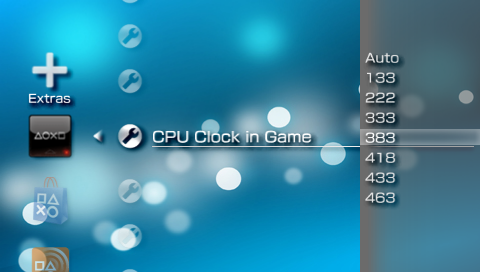
The PSP scene has found another reason to keep Sony's old handheld in active use. According to Wololo, scene developer m-cid has released an open source solution for overclocking the PSP CPU, and that work has now been integrated into ARK-5.
The important part is the word true. For many PSP custom firmware users, 333MHz long felt like the practical ceiling for the system clock. This new ARK-5 support moves beyond that familiar limit, giving users a way to test higher CPU speeds on real hardware instead of simply choosing from the older range most players already knew.
Retro Context
The PSP sits in an interesting place for retro players because it is both old enough to feel like a classic handheld and modern enough to have a large library of 3D games that can still be demanding. Many players return to it for portable versions of big console-style series, and those games can expose the limits of the hardware more clearly than smaller 2D releases or lighter titles.
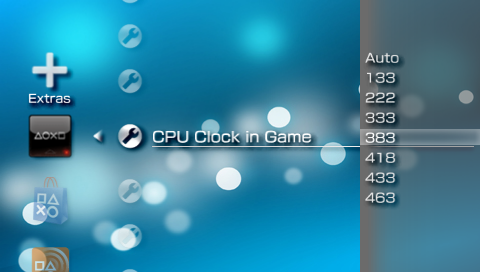
That is why CPU clock control matters to this audience. Retro handheld work is often about preservation, convenience, and squeezing cleaner play out of machines people already own. A feature like this does not change a game into a new release, and it does not make every performance issue disappear. It does, however, give the modding community another practical tool for games that were close to their target performance but did not always hold it.
Why It Matters
Wololo's report points to heavy games such as GTA and Metal Gear as examples where the results can be meaningful. The article says demanding titles can now run at a stable 30 FPS in cases where they previously struggled or were often held back. For players who still use original PSP hardware, that kind of improvement is easy to understand: smoother play can make an older favorite feel less compromised without moving away from the handheld itself.
There is a clear caveat. This is not described as a one-setting-fits-all upgrade. Different PSP units may handle different speeds, so the best result on one device may not be the right result on another. Wololo says testing suggests 433MHz is the most broadly accepted speed while still keeping stability in mind, but that should be read as a cautious starting point, not a promise that every console will behave the same way.

What Readers Should Keep In Mind
- ARK-5 now includes the open source PSP CPU overclocking work from m-cid.
- The old 333MHz ceiling is no longer the whole story for supported PSP hardware.
- Reported gains are most relevant to heavier games that were already pushing the system.
- Stability can vary by individual unit, so careful testing matters.
- PSP Street owners should avoid assuming the feature works for them right now.
The PSP Street note is especially important. Wololo says overclocking does not work correctly on that model at the moment and can have the opposite effect, making the system run far too slowly, even below the minimum shown in ARK's interface. The report also says it is not yet known whether this can be fixed or whether the PSP Street simply cannot use this method.
Z-retro View
This is the kind of scene update that is easy to overstate, so the balanced view is simple: it is a notable technical step, not magic. For owners of compatible PSP models, ARK-5 gaining true overclocking could make some demanding games more pleasant to revisit. For everyone else, especially PSP Street users, the right response is patience and caution. The value here is not only higher numbers on a clock setting; it is that a mature handheld scene is still producing open work that gives players more control over original hardware.