Super ZSNES brings back one of the most recognizable names from the early emulation scene. The original ZSNES was a familiar tool for many players who explored Super Nintendo games on PC during the 1990s and 2000s, and part of its identity came from more than game support. Its chunky interface and falling snow animation gave it a look that people remembered long after they moved to newer emulators.
According to GamesRadar Retro Gamer, original creators zsKnight and _Demo_ have reunited for this new follow-up. Super ZSNES is available to download, and it does not try to erase the personality of the old program. The familiar front end style remains, but it now sits beside a more ambitious set of features aimed at changing how certain Super Nintendo games can be presented.
Retro Context
The Super Nintendo is a 16-bit system with a library that has been revisited for decades through original cartridges, re-releases, FPGA-style hardware, and software emulation. For many retro players, emulation is not only about convenience. It is also a way to study old games, keep them playable on modern devices, and test presentation options that original hardware was never built to offer.
That is why the return of ZSNES carries extra weight for a retro audience. The old emulator belongs to an earlier period when many players first learned what save states, filters, and PC-based console emulation could do. Super ZSNES arrives in a very different scene, where accuracy, preservation, latency, display scaling, and user experience are all discussed more seriously. Its value is not that it replaces every modern SNES emulator. Its value is that it revives a historic name with a new technical direction.
What Super ZSNES Adds
At a basic level, Super ZSNES includes expected emulator comforts such as save states and rewind, and it is described as playing the majority of the Super Nintendo library. Those features make it usable as an emulator, but the main hook is the Super Enhancement Engine. The developers describe this as a set of tools for features such as high-resolution art, texture mapping, overclocking, widescreen support, improved audio, and 3D visuals.
The important caveat is that these ideas are not a single magic switch for every SNES game. Some features can be enabled in supported games, while other enhancements need community work to become useful. That matters because the Super Nintendo library is varied, and visual tricks that suit one game may look strange or unhelpful in another. A careful player should treat Super ZSNES as an experimental enhancement platform, not as a guaranteed upgrade path for every classic.
Mode 7 And 3D
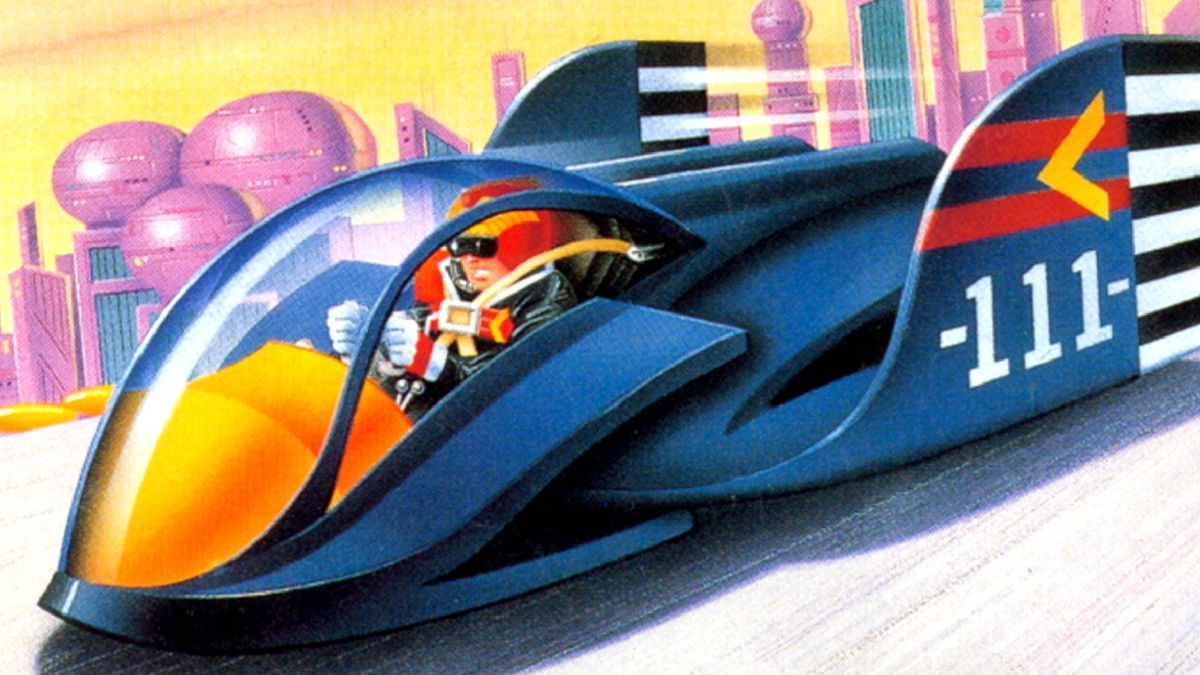
The most eye-catching idea is the 3D treatment for games that used Mode 7-style effects. Mode 7 is the Super Nintendo feature that allowed backgrounds to be scaled and rotated, creating the impression of movement through a flat plane. Games such as F-Zero and Pilotwings are well-known examples of that style. Super ZSNES builds on that idea by converting certain Mode 7 backgrounds into a view with a more direct 3D perspective.
GamesRadar Retro Gamer points to a Modern Vintage Gamer breakdown for the deeper explanation, but the broad idea is simple enough: Super ZSNES leans heavily on the device GPU rather than relying mainly on the CPU in the way many SNES emulators do. That GPU-powered approach is what helps make the more advanced presentation effects possible. For a retro reader, the practical point is not just that the image can look different. It is that the emulator is trying to reinterpret parts of the old display pipeline in a modern rendering environment.
Useful Caveats
- The enhancements are optional, so players who prefer a more traditional look are not the main target for every feature.
- Community support will matter because some effects need per-game work or careful tuning.
- Widescreen and 3D changes can make familiar games feel fresh, but they can also change the original composition.
- Super ZSNES should be viewed alongside other SNES emulators, not as a replacement for every use case.
Why It Matters
Super ZSNES matters because it gives retro players another way to think about old games. Some people want the most faithful version possible. Others enjoy seeing how a classic changes when modern display options are added carefully. This project clearly speaks to the second group, while still keeping familiar emulator basics in place.
It also matters because the developers have history with the scene. zsKnight has said, through comments reported around the launch, that revisiting ZSNES memories during an interview with Zophar helped spark the return. A Patreon has also been started to support development, with the hope that enough backing could allow more time to be spent on the project. That does not guarantee where Super ZSNES will go, but it explains why the project feels personal as well as technical.
Z-retro View
Super ZSNES is most interesting when it is judged on its own terms. It is not only a nostalgia wrapper around an old name, and it is not a promise that every SNES game should become widescreen or 3D. The stronger view is somewhere in the middle: this is a notable return from developers linked to an important emulator, with a set of tools that could be useful when applied with restraint. For retro fans, that makes it worth watching, especially if they enjoy the space between preservation, modding, and playful re-presentation.